


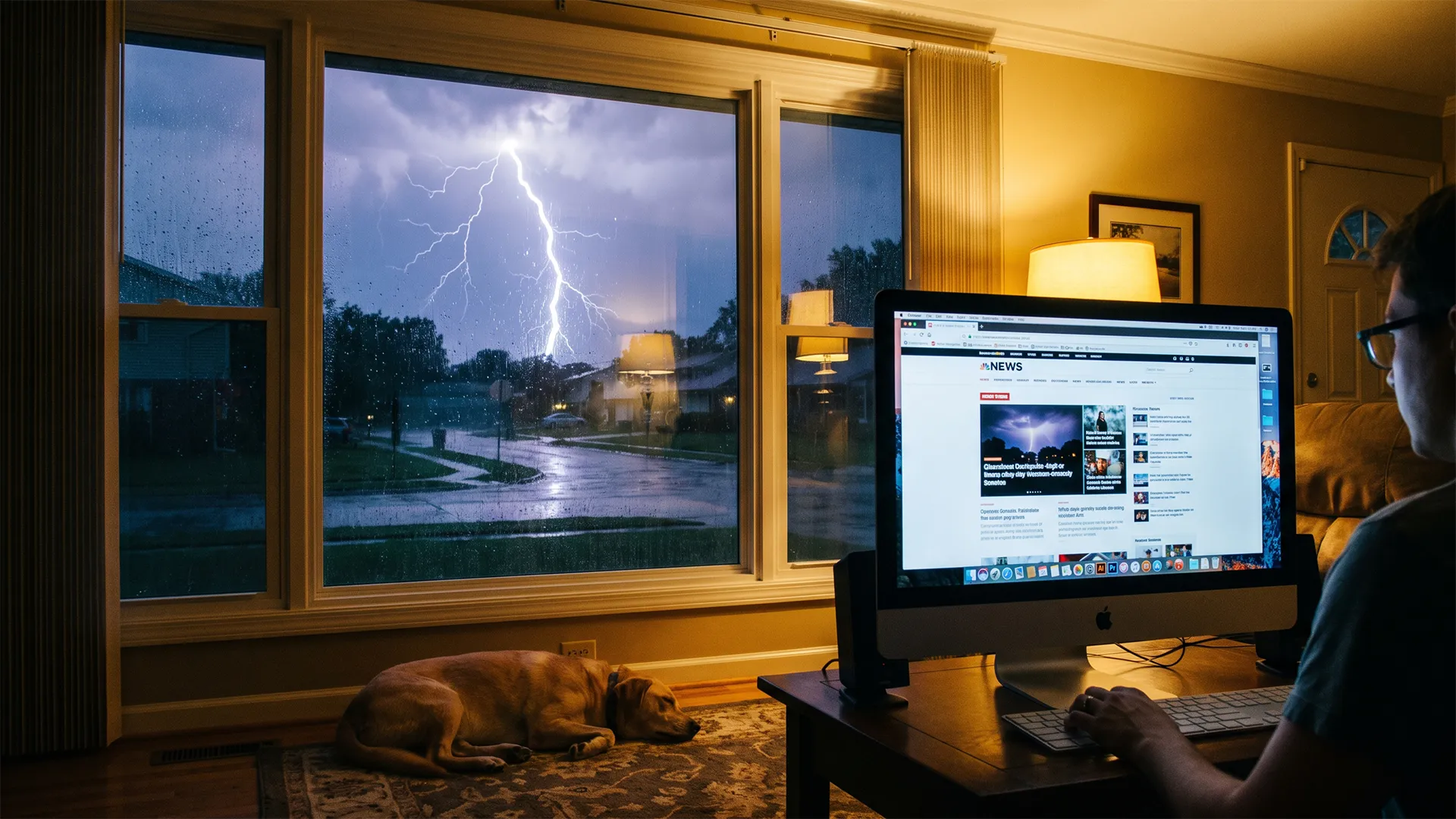
During an extreme heat wave or winter storm, electricity demand can exceed the grid’s available supply. To restore balance and prevent a wider system failure, grid operators may order a rolling blackout, also known as a rotating outage or rotational load shedding. For example, California implemented rolling outages during August 2020, when a heat wave strained electricity supplies and forced utilities to temporarily cut power to selected customers.
Unlike an outage caused by damaged equipment, a rolling blackout is intentional, temporary, and controlled. Utilities disconnect designated groups of customers in sequence, restore power after a limited period, and then rotate the outage to another group until grid conditions stabilize.
Why Do Rolling Blackouts Happen?
The electric grid must continuously balance electricity supply with demand. Rolling blackouts may become necessary when available generation and imports cannot meet demand, preserving enough operating reserves to respond to sudden unexpected failures.
- Extreme demand: Heat waves can drive heavy air-conditioning use, while severe cold can sharply increase electric heating demand.
- Insufficient supply: Power plant failures, fuel shortages, maintenance, severe weather, lower-than-expected renewable output, or limited imports from neighboring regions can reduce available electricity.
- Transmission constraints: Electricity may be available elsewhere but cannot reach the affected area because transmission lines are congested, damaged, or operating at their limits.
- Low operating reserves: When reserve capacity falls below required levels, grid operators may need to reduce demand quickly to prevent a wider system failure.
How Long Does a Rolling Blackout Last?
There is no universally fixed duration for rolling blackouts, although utilities generally design rotating outages to be brief and distribute them among different customer groups.
- Typical duration: PG&E says a rotating outage typically lasts one to two hours per customer zone, while SDG&E describes each rotation as lasting about one hour.
- Possible extensions: An outage may last longer if demand remains high, the supply shortage worsens, another generating unit fails, or a circuit cannot be restored or rotated as planned.
- Actual duration can vary: During California’s August 2020 event, affected customers experienced outages ranging from 15 to 150 minutes, which demonstrated that scheduled rotation times are not guaranteed.
Rolling Blackout vs. Public Safety Power Shutoff
While the two types of power outages are both planned, they serve different purposes. A rolling blackout is ordered when electricity supply is insufficient to meet demand, while a Public Safety Power Shutoff, or PSPS, is initiated when severe fire-weather conditions create a high risk that electrical equipment could ignite a wildfire.
They also differ in scope and restoration. Rolling outages are typically rotated among customer groups for limited periods. A PSPS targets designated high-risk areas and may last longer because utilities often wait for hazardous weather to pass and inspect power lines before restoring service.
How to Monitor Rolling Blackouts
The best way to stay informed of rolling blackouts is to monitor updates from your grid operator and local utility. During periods of high electricity demand or severe weather, grid operators may issue conservation alerts, while utilities provide outage notifications through their websites, mobile apps, outage maps, text messages, and email alerts.
In California, the California Independent System Operator (CAISO) provides real-time grid conditions through its Today's Outlook page and ISO Today mobile app. It also issues Flex Alerts, which are voluntary requests to conserve electricity by importing less grid electricity when supply is expected to become tight. If conditions worsen, CAISO may declare higher-level Energy Emergency Alerts that can precede rotating outages.
For summer 2026, CAISO's Summer Loads and Resources Assessment concluded that the state had sufficient resources to meet expected demand under most conditions. However, it noted that extreme, widespread heat or major wildfires could still threaten grid reliability, making it important for residents to follow official grid and utility alerts during high-risk periods.
Prepare for Rolling Blackout with Reliable Whole-Home Backup Solution
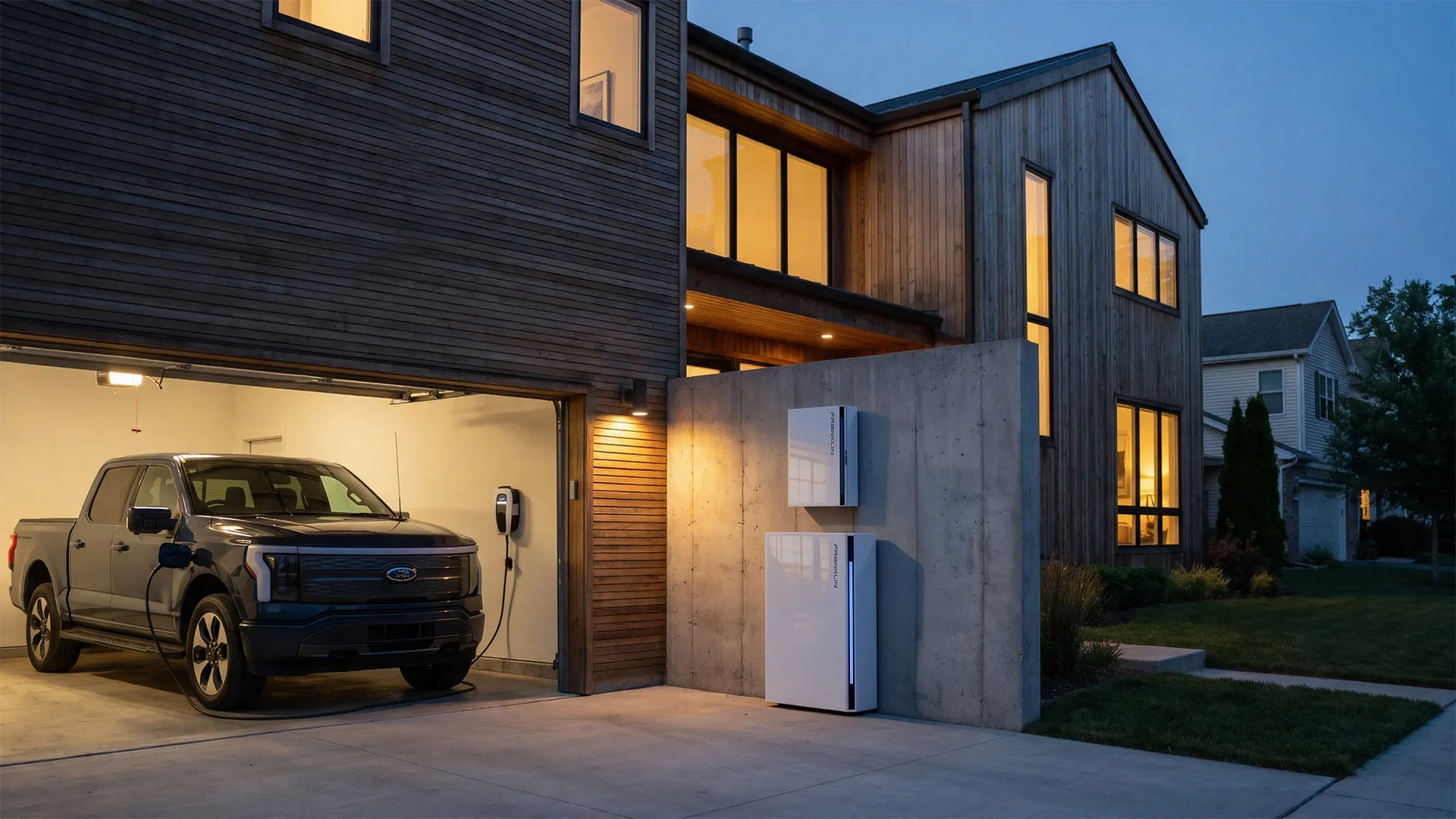
A home energy management system with battery storage, such as the FranklinWH System, provides an effective way to hedge against rolling blackouts and other grid outages. By integrating solar, battery storage, the grid, a generator, and EV charging, it creates a robust home energy ecosystem that keeps your home continuously powered when the grid goes down without noticeable interruption.
Each aPower battery in the system provides 15 kWh of usable capacity, supporting both essential circuits and larger household appliances. During an extended outage, the system’s Smart Circuits feature can automatically disconnect or delay individual nonessential, energy-intensive loads, preserving stored energy and extending backup hours for priorities such as lighting, refrigeration, and communications.
How Home Batteries Help Prevent Rolling Blackouts
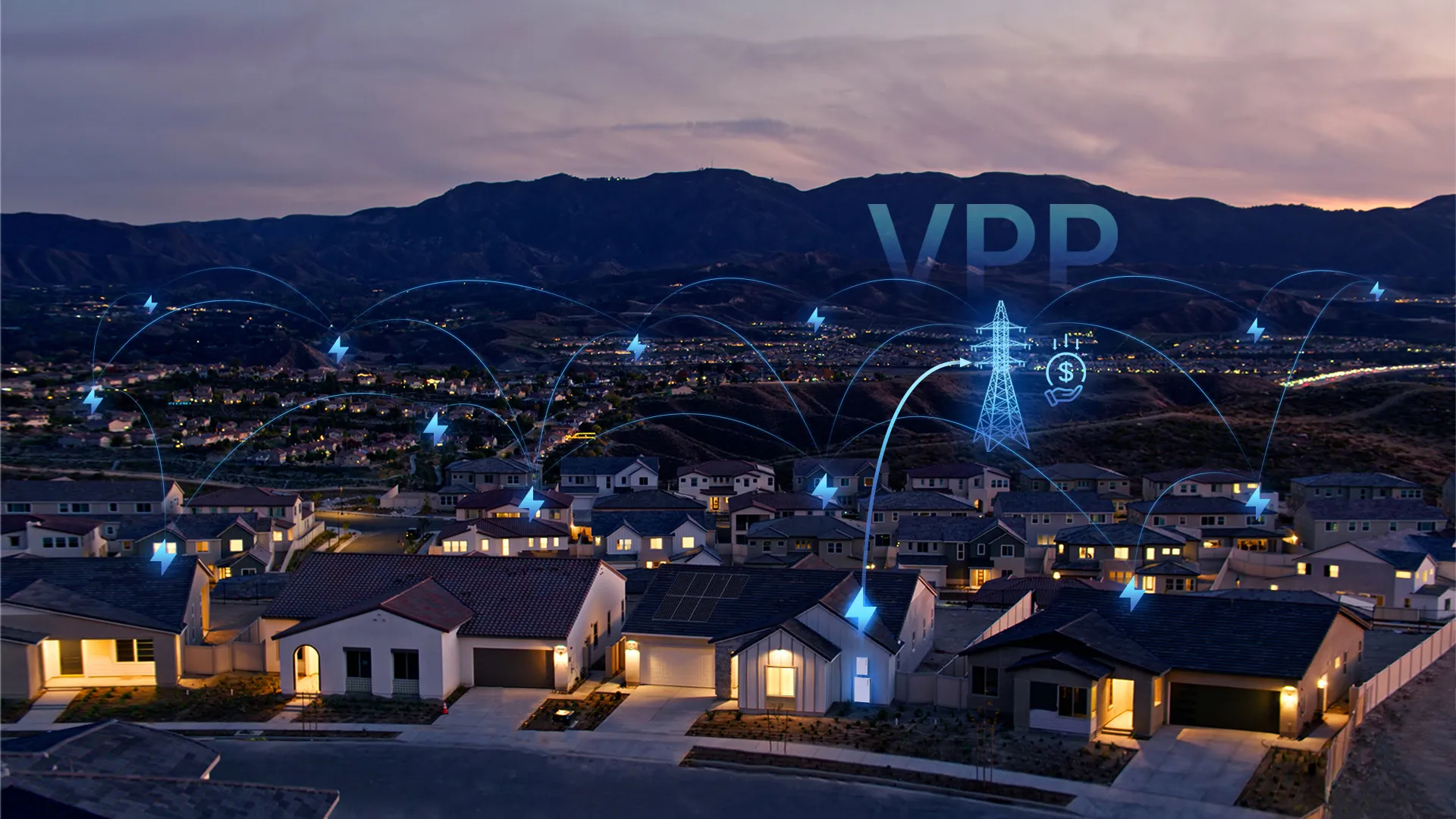
Home batteries can also support the wider grid while earning revenue for homeowners when enrolled in a compatible demand-response or virtual power plant (VPP) program. By coordinating many residential batteries to discharge or reduce grid consumption during peak periods, utilities can lower system demand and ease pressure on generation and distribution infrastructure. One residential battery may not prevent a rolling blackout, but coordinated participation across many homes can strengthen grid reliability and potentially reduce the need for emergency load shedding. The U.S. Department of Energy estimates that expanded virtual power plant capacity could serve 10% to 20% of peak demand by 2030.
Conclusion
Rolling blackouts are a controlled emergency measure used to protect the broader power grid from collapse when electricity demand exceeds available supply. While these events are generally temporary, they can still cause significant disruptions to daily routines. Homeowners can improve both their energy resiliency and peace of mind during grid emergencies by tracking official alerts and proactively investing in a reliable home energy management system with battery storage.
Schedule a free consultation from FranklinWH to get started today!
