


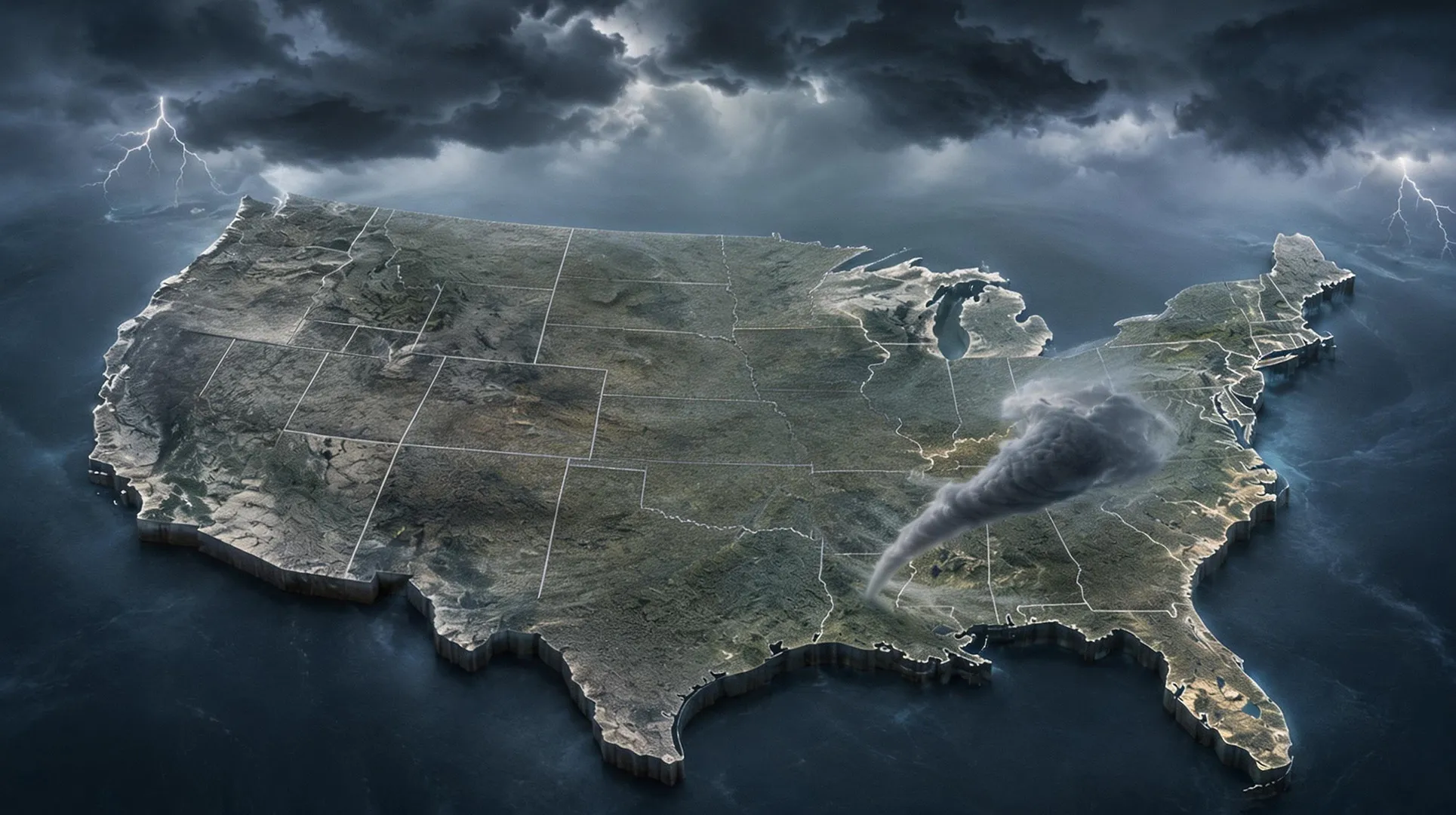
Tornadoes can strike suddenly, leaving homeowners little time to react. Their violent winds and flying debris can severely damage homes, topple trees, and bring down local power lines and utility poles. The resulting outages may continue after the immediate danger has passed, disrupting lighting, refrigeration, heating and cooling, and many other critical appliances.
For this reason, effective tornado preparedness should address both a safe shelter plan and essential household power needs during an extended outage.
Tornado Alerts
Understanding the tornado alerts from the National Weather Service (NWS) helps homeowners respond appropriately as the threat escalates.
- Tornado Watch: Tornadoes are possible in or near the watch area, be ready to act quickly.
- Tornado Warning: A tornado has been detected by weather radar. Move immediately to your designated shelter, away from windows.
- Tornado Emergency: The NWS’s highest tornado alert level. It indicates that a violent tornado has been confirmed and poses a severe threat to life and property.
Use multiple alert sources, including Wireless Emergency Alerts, NOAA Weather Radio, trusted weather apps, local news, and community sirens. Do not rely on a single warning method.
How to Prepare Your Home Before a Tornado
Identify the Safest Shelter Location
Know the safest place in your home before severe weather arrives, so everyone knows where to go. A purpose-built safe room or storm shelter offers the best protection. If one is not available, use a basement or storm cellar. In a home without an underground shelter, move to a small, windowless interior room on the lowest floor, such as a bathroom or closet, and stay away from windows and exterior walls.
Create a Household Communications Plan
Power outages and overloaded mobile networks may make it difficult to reach people locally during or after a tornado. Choose an out-of-area friend or relative as a central contact so everyone can report their location and safety to the same person. Use text messages when calls cannot get through. Make sure every family member knows the contact number or keeps a written copy in the emergency kit.
Build a Tornado Emergency Kit
Keep an emergency kit in your shelter so it is easy to reach when a warning is issued. Store enough essential supplies to support every household member for at least three days, including:
- Water and non-perishable food.
- A first-aid kit.
- A battery-powered or hand-crank radio.
- Flashlights and spare batteries.
- Phone chargers and portable power banks.
- Sturdy shoes, work gloves, and protective headgear.
- Emergency contacts, physical and digital copies of important ID, insurance, and property documents (physical ones should be stored in a waterproof and fire-resistant location).
- Photos and an up-to-date list of valuable belongings to support an insurance claim if your home is damaged.
- A small amount of cash in case power or network outages prevent card and mobile payments.
Reduce Hazards Around the Home
Before severe weather arrives, secure outdoor objects that could blow away or cause damage, and bring loose items such as patio furniture, tools, and grills indoors. Keep trees and branches trimmed near your home, removing dead or damaged limbs that could fall or become dangerous debris in high winds.
Prepare for Power Outages
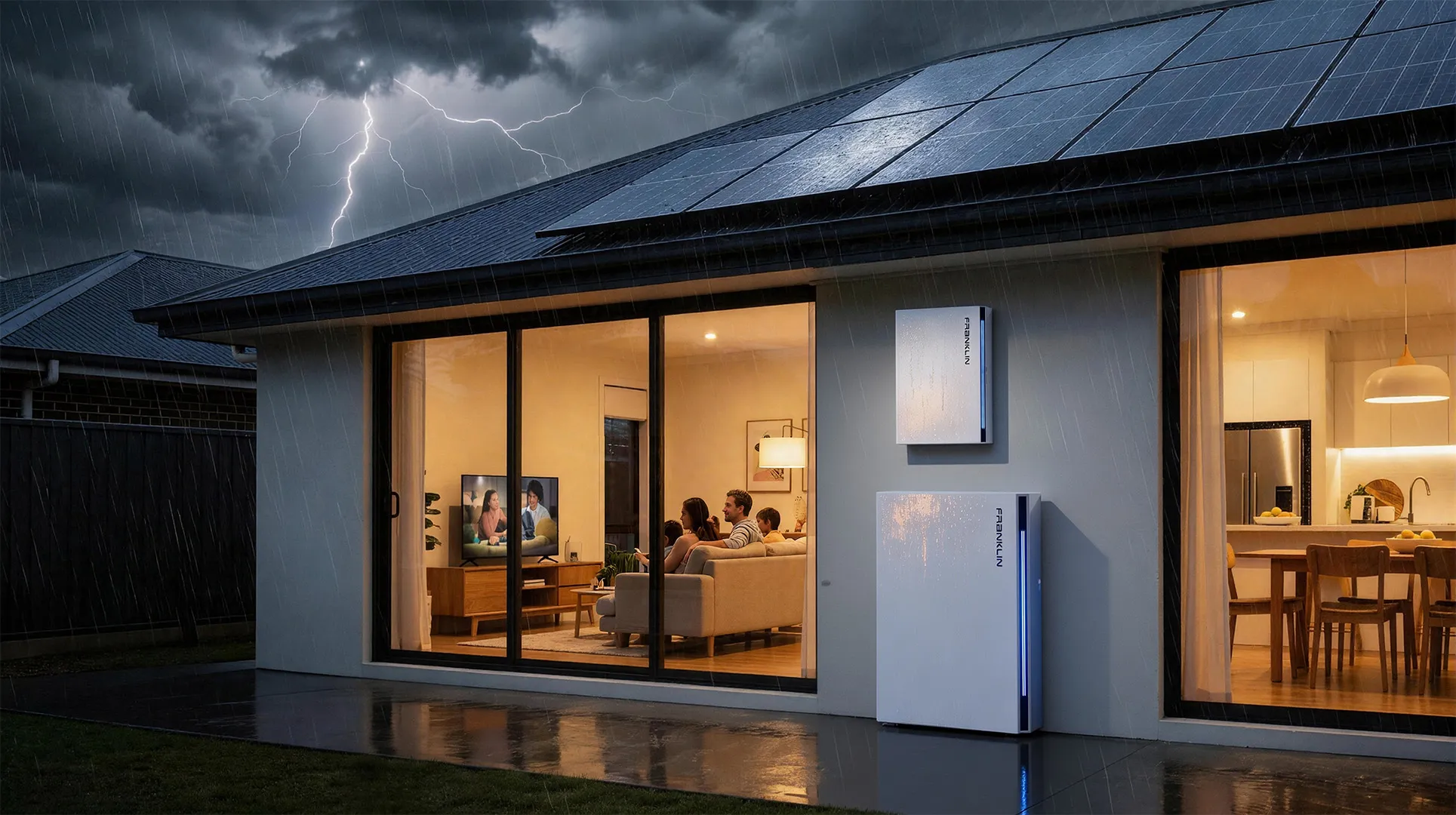
A portable power bank can keep a phone charged, but it cannot run large household appliances. For advanced power protection during severe weather, homeowners can benefit from a home energy management and battery storage solution such as the FranklinWH System, which provides long-lasting whole-home backup and helps maintain an uninterrupted energy experience.
A backup generator can also be integrated into the system to reinforce backup resiliency during prolonged outages. If you use one, always operate the generator outdoors, at least 20 feet from doors, windows, and vents, to prevent poisonous carbon monoxide from entering the home.
What You Should Do During a Tornado Warning
A tornado warning means danger is imminent, so move to shelter immediately rather than waiting to see or hear the tornado.
- Go directly to your designated shelter and stay away from windows.
- Get as low as possible and protect your head, neck, and body with your arms, a helmet, mattress, heavy blanket, or cushions.
- Put on sturdy shoes if they are close at hand to protect your feet from broken glass and debris.
- Bring pets into the shelter with you, using leashes or carriers if they are readily available.
- Remain sheltered and monitor local news, NOAA Weather Radio, or other official alerts until authorities indicate that the danger has passed.
What to Do After a Tornado
Check for Injuries and Immediate Hazards
Once the immediate danger has passed, check yourself and other household members for injuries and call emergency services if anyone needs urgent help. Check your home for structural, electrical, or gas-leak hazards. If you smell gas, see damaged utility lines, or notice signs of structural damage, leave the home immediately and move to a safer location.
Manage Outages Safely
During an outage, prioritize available backup power for lighting, phones and tablets used for communications, and the refrigerator to help preserve food. Discard perishable food that has been above 40° F for four hours or longer.
Do not use damaged electrical equipment, wet appliances, or outlets exposed to water. If the electrical system has been damaged, do not reconnect equipment or turn the power back on until the utility company or a qualified electrician confirms that it is safe.
Document Damage and Begin Recovery
Photograph or record all damage before cleaning up or making repairs, and then contact your insurance provider as soon as possible to begin the claims process. Make only temporary repairs needed to prevent further damage until the insurer provides guidance, and keep receipts for repair materials and emergency purchases.
Be cautious when hiring contractors after a disaster. Verify that they are licensed and insured, obtain a written estimate and contract, and avoid anyone who pressures you to decide quickly or demands full upfront payment.
How the FranklinWH System Helps After a Tornado Strike
When a tornado has torn through a neighborhood, the immediate danger may pass in minutes, but the loss of power can linger for days or even weeks. The FranklinWH System is engineered to help homeowners stay powered through the storms and the recovery period by providing robust, long-lasting whole-home backup. Each aPower battery provides 15 kWh of capacity, scalable up to 225 kWh per aGate, capable of powering not only essentials such as lighting but keeping energy-intensive appliances, such as a 5-ton A/C, running.
With intelligent individual load management, the system extends backup hours during extended outages by automatically prioritizing essential circuits, reserving energy for what matters most without requiring manual intervention in the dark.
With an IP67 and C5 salt-spray battery rating, the system performs reliably in debris-filled, dusty, wet, or corrosive environments, which is particularly common after storm events expose system components to moisture and chemicals.
Learn more about how the FranklinWH System can strengthen your home’s energy resiliency. Request a free consultation today!
