


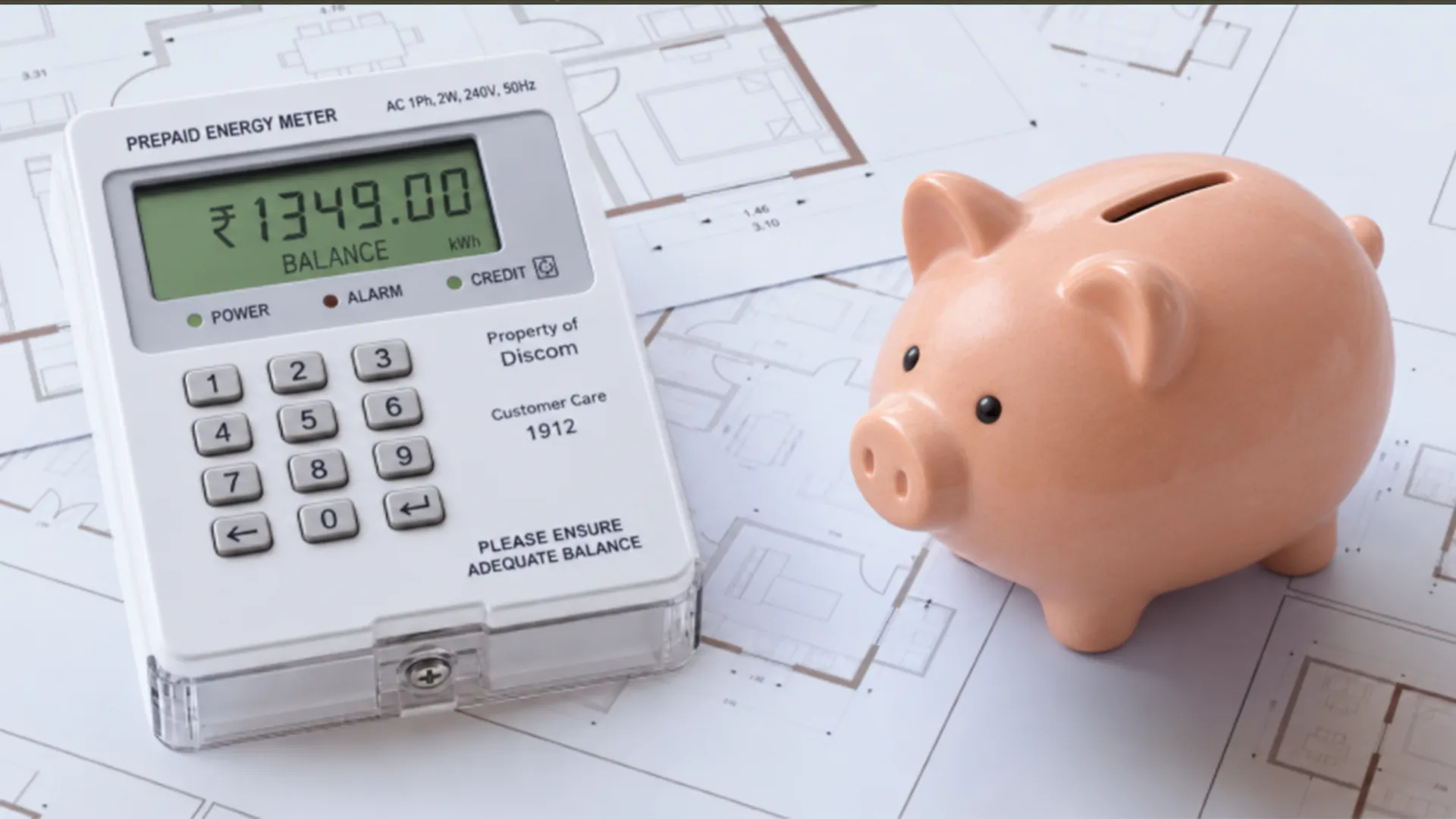
Electricity bills can sometimes be difficult to predict, especially when energy prices and household consumption fluctuate from month to month. A prepaid meter offers a different approach by allowing customers to pay for electricity before using it, rather than receiving a bill after consumption. Much like a prepaid phone plan, people add funds to their account in advance, and the meter tracks electricity usage while deducting the cost from the available balance.
In the U.S., prepaid meters are most commonly offered in competitive, deregulated electricity markets such as Texas, where customers can choose retail electricity providers that offer pay-as-you-go plans supported by advanced smart meters.
By showing the remaining balance and energy usage, prepaid meters give households more visibility and control over their electricity spending, helping them budget more effectively and eliminate end-of-month bill shock.
How Does a Prepaid Meter Work?
Once a prepaid meter is installed, it continuously measures the amount of electricity a home consumes and communicates usage data to the electricity provider or the customer’s account system. When a customer purchases electricity credit, the balance is added to the account linked to the meter. As appliances use electricity, the meter calculates the consumption and deducts the corresponding cost from the available balance based on the applicable electricity rate.
Most prepaid electricity systems provide access to usage information through a digital display, mobile app, or online customer portal. This allows customers to track their remaining balance, view consumption patterns, and receive low-balance alerts before their credit runs out.
Compared with a conventional postpaid meter, a prepaid meter combines electricity measurement with a credit-based payment system. While a standard meter records usage for later billing, a prepaid meter tracks both energy consumption and remaining credit in real time.
| Prepaid Meter | Conventional Postpaid Meter | |
| Payment model | Credit added before electricity use | Electricity used first and billed later |
| Meter function | Tracks usage and deducts remaining credit | Records usage for monthly billing |
| Payment timing | Before consumption | After consumption |
| Usage monitoring | Real-time balance and usage visibility | Typically reviewed after receiving a bill |
| Shutoff risk | Service may be interrupted if the account balance hits zero | Service may be disconnected if bills remain unpaid after the due date |
| Deposit requirement | Usually no deposit required | May require a security deposit |
What Happens Once Your Balance Is Used Up?
If the prepaid meter balance reaches zero, the electricity supply process depends on the provider’s rules and whether emergency credit is available. In general, the following steps may occur:
- Low-balance alerts are sent first. Many prepaid systems notify customers when their credit is running low, giving them time to purchase additional credit before service interruption.
- Emergency credit may temporarily keep the power on. Some prepaid programs provide a small amount of emergency credit as a small buffer that customers can use when their normal balance runs out. The amount used is typically deducted when more money is added to the account.
- Electricity may be temporarily disconnected if no credit remains. Once both regular credit and any available emergency credit are exhausted, the meter can automatically stop the electricity supply until the customer adds more credit.
- Power is restored after a successful payment. After purchasing additional credit, electricity service can usually resume automatically, depending on the prepaid meter system and provider process.
A home energy management system (HEMS) with battery storage offers peace of mind and ensures uninterrupted power supply by generating and storing your own energy, helping homeowners hedge against outages as if nothing happened.

Pros and Cons of a Prepaid Meter
Advantages:
Better spending control: Customers can add credit based on their budget and needs instead of paying after consumption.
- More awareness of consumption habits: Real-time usage information helps customers identify energy-intensive activities and make informed adjustments.
- No upfront deposit: Many prepaid plans reduce upfront costs by eliminating security deposits, which can benefit renters and homeowners with limited or less-established credit histories.
Trade-offs:
- Requires proactive payments: Customers must remember to purchase additional credit to maintain service.
- Risk of abrupt service interruption: Electricity may be temporarily disconnected if available credit is fully depleted.
- Potentially higher costs: Some prepaid plans may charge higher rates or fees compared with postpaid options.
- Less convenient for variable usage: Households with seasonal or changing energy needs may need to monitor credit more frequently.
How to Prevent Power Interruptions with a Prepaid Meter
To avoid running out of credit and losing power, prepaid meter users can take the following steps:
- Monitor your balance regularly. Check your remaining credit through the meter display, mobile app, or online account to understand your usage and avoid running out unexpectedly.
- Set up low-balance alerts. Enable notifications to remind you when credit is running low.
- Use automatic recharges if available. Some providers allow automatic payments when the balance reaches a preset level.
- Purchase credit in advance. Add credit before high-use periods, such as heat waves, cold snaps, holidays, or times when more appliances are running.
- Understand emergency credit options. Check whether your provider offers temporary credit and how repayment works.
- Install a home energy management and battery storage solution. A HEMS with battery storage can coordinate solar, battery, and grid power to improve home energy resiliency.
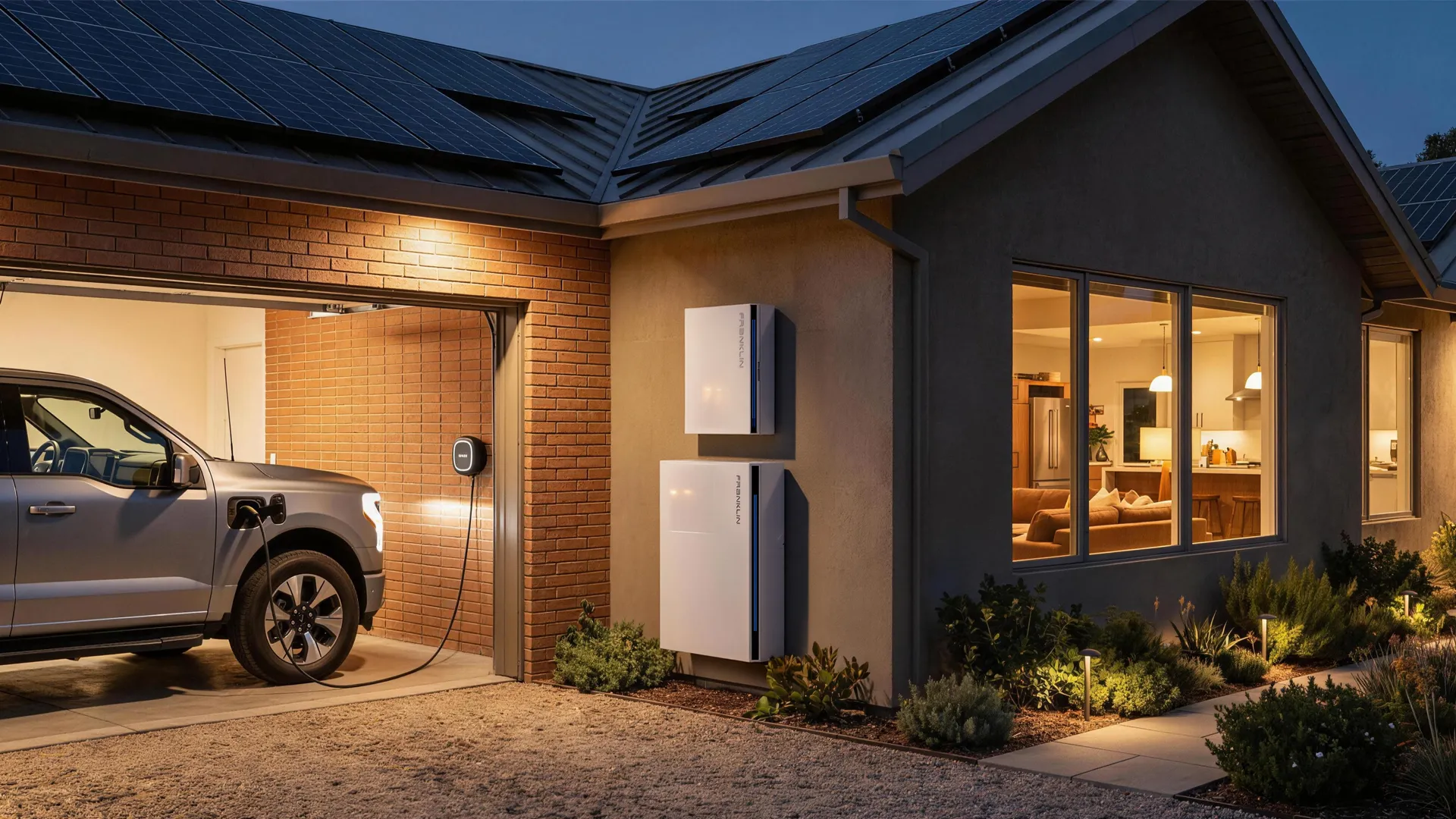
For example, the FranklinWH System is a premium home energy solution that integrates solar, battery storage, the grid, and intelligent energy controls to help homeowners achieve substantial long-term energy savings. By optimizing battery charging and discharging based on solar generation, household energy patterns, electricity rates, and battery state of charge, the system helps reduce grid electricity purchases and extend the time between prepaid meter top-ups. This not only helps avoid unexpected power shutoffs, but allows homeowners to minimize spending on grid electricity and make significantly fewer prepaid payments over time if they are on a prepaid meter program.
Schedule a free consultation with FranklinWH to start your energy freedom journey!
