


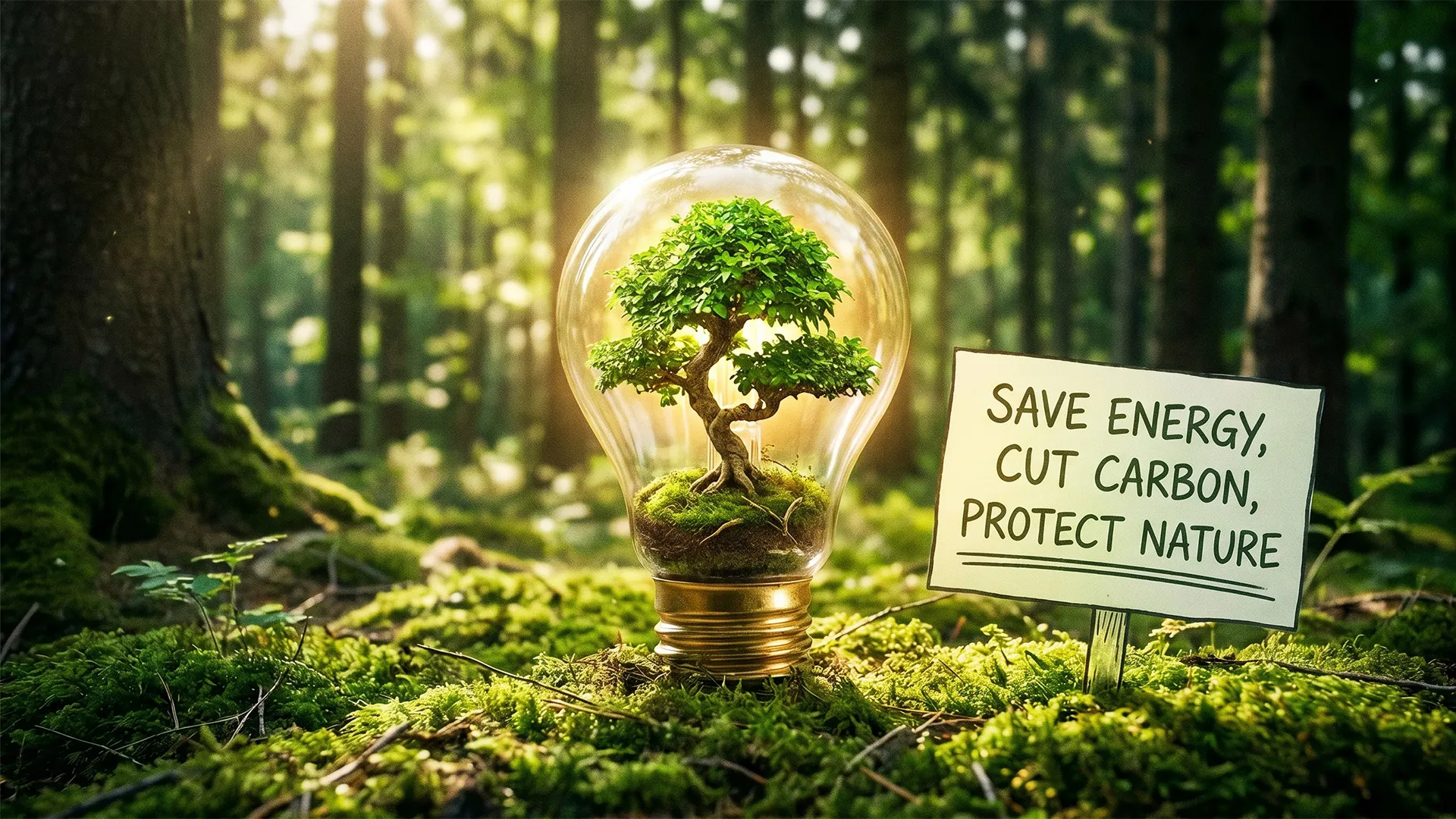
You care about your environmental footprint. You flick turn off the lights in empty rooms and turn down the heat when you’re leaving the house for a long period. These are helpful ways to cut your energy use, but true energy conservation is about a much bigger picture.
What is energy conservation in its fullest sense? It’s consciously designing your household and life to lower the amount of energy you use, especially from non-renewable sources. This definition of energy conservation goes beyond specific tactics, such as purchasing energy-efficient appliances, and focuses on fostering a sustainable lifestyle mindset.
When you embrace energy conservation as a core value, you position yourself as a proactive environmental steward. Every choice you make contributes to a cleaner, greener world for everyone.
What Does Energy Conservation Mean?
In your middle school science class, you probably learned about the conservation of energy as a fundamental law of physics. This The definition of energy conservation states that energy cannot be created or destroyed. It can only transform from one form to another.
But what does “conserve energy” mean in environmental terms? It’s the practice of reducing your energy consumption to lower your environmental impact. This energy conservation meaning focuses on using less electricity, gas, and other non-renewable power sources in your daily life.
The Importance of Energy Conservation
Let’s be honest, we Americans have a big appetite for energy. The US consumes 76,800 kWh (kilowatt-hours) of electricity per person per year. Compare that to Europe, which consumes 39,225 kWh of electricity per person, or South America at 17,721 kWh per person.
This massive energy usage has real consequences. Much of our electricity still comes from fossil fuels, like such as coal and natural gas. The result is that the average American was responsible for 13.8 metric tons of carbon dioxide emissions in 2023. While that’s down 30% from 1990, it’s still significantly higher than most of the world.
At the end of the day, every kilowatt-hour you save results in fewer emissions and helps preserve natural resources for future generations. Energy conservation isn’t just about lowering your utility bill. It’s about taking responsibility for your share of our collective environmental impact.
Simple Ways to Conserve Energy at Home
Ready to adopt an energy conservation mindset? Then it’s time to take concrete steps to put that philosophy into practice. The good news is that reducing your household’s energy consumption doesn’t require dramatic lifestyle changes. You have countless opportunities to make meaningful improvements.
Below is a small sample of energy conservation examples that range from quick fixes you can implement today to longer-term investments that will pay dividends for years. Every small action adds up.
- Adjust your thermostat: Heating and cooling account for 31% of an average home’s energy use. Setting your thermostat just 7-10 degrees lower or higher (depending on the season) can make a big difference. Use a programmable or smart thermostat to automate these adjustments.
- Use LED lights: LEDS use 90% less energy and last 25 times longer than incandescent bulbs. Replace your old bulbs with LEDs, prioritizing the lights you use most frequently.
- Unplug power drains: Electronics and appliances draw power even when you turn them off. Unplug chargers, coffee makers, and entertainment centers when you’re not using them. Better yet, use smart power strips that cut power automatically.
- Run full loads: Wait until your dishwasher, washing machine, or dryer are full before running them through a cycle.
- Lower your water temp: Set your water heater to 120 degrees Fahrenheit instead of the typical 140. This saves energy on one of your home’s biggest energy users.
- Use fans: Before cranking up the air conditioning, try turning on ceiling and floor fans to promote better air flow throughout your home.
- Close your blinds: In the summer, close your curtains or blinds on south and west-facing windows during the hottest part of the day to keep your house cooler and lower your need for air conditioning.
- Check windows and doors: Regularly check your doors and windows for leaks. If needed, add caulk or replace old weatherstrips.
- Upgrade appliance: In the market for a new fridge or washing machine? Choose ENERGY STAR® models, which are designed to use less energy.
- Cold-water laundry: The majority of the energy used to wash clothes goes into heating water. Modern detergents work well in cold water.
- Cook efficiently: Use microwaves, toaster ovens, or pressure cookers for small meals instead of your conventional oven.
Whole Home Energy Management
While individual actions to conserve energy can make a big difference over time, if you want to take energy conservation to the next level, consider investing in a home energy management system.
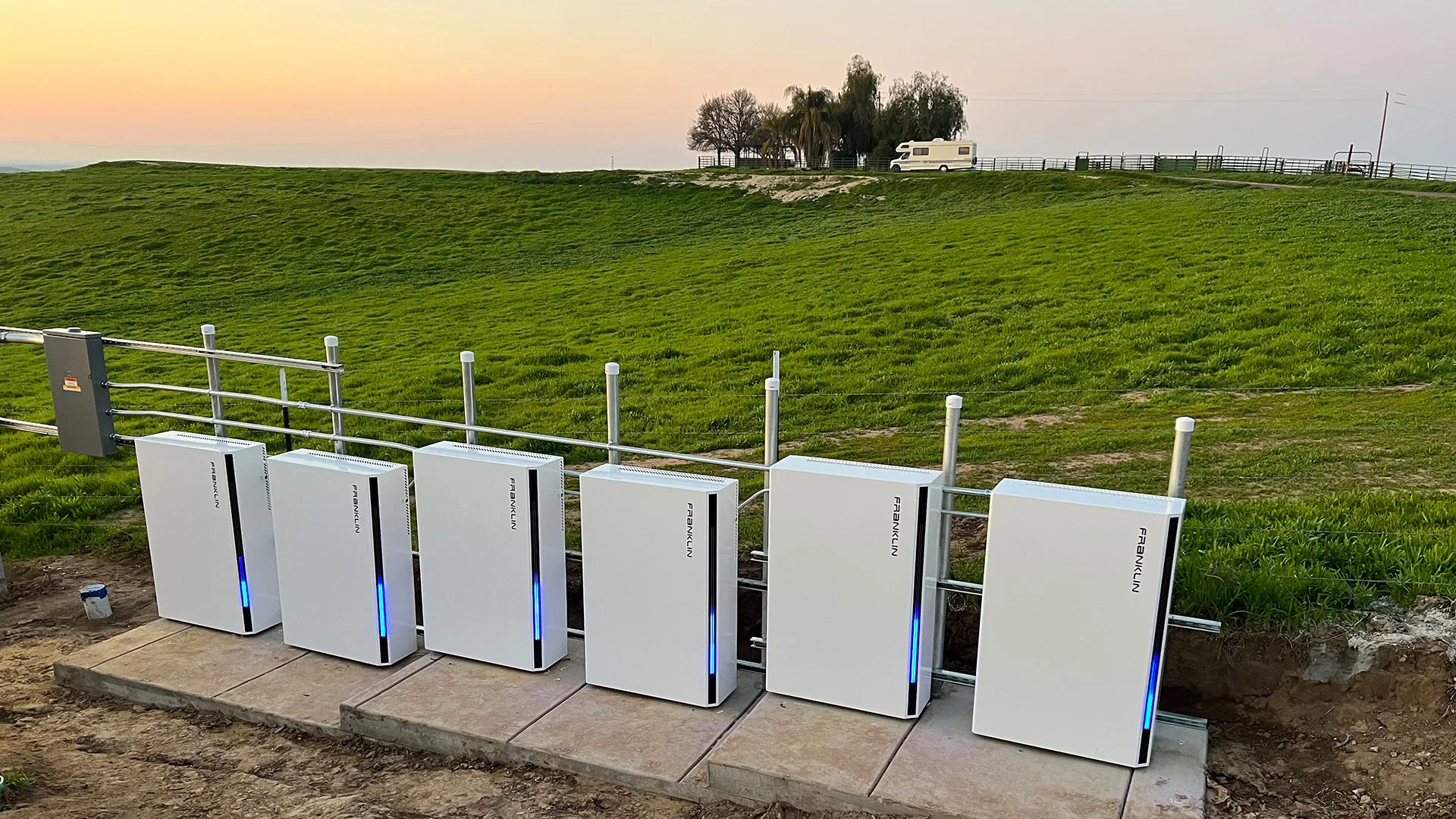
What does whole-home energy management look like? Today’s systems integrate solar panels, battery storage, smart appliances, and real-time energy monitoring into one intelligent ecosystem. They learn your family’s patterns, respond to utility rate changes, and can even sell excess solar power back to the grid during peak demand periods.
The beauty of whole home management is that it makes energy conservation effortless. Instead of you manually managing dozens of devices and remembering to adjust settings, the system handles optimization automatically. This technology transforms energy conservation from a series of daily decisions into an automated lifestyle.
Begin Your Journey Toward Energy Conservation
What does the conservation of energy mean? It’s a commitment to mindful energy use that benefits both your wallet and our planet. By implementing the strategies we’ve explored in this article, you can reduce your environmental impact.
Start with quick wins like replacing old lightbulbs with LEDs and unplugging phantom loads (like that waffle maker you had such high hopes for but haven’t used in months). Gradually adopt bigger larger changes, like such as lowering your water temperature or replacing old, energy-guzzling appliances. The key is to build momentum and make energy conservation part of your daily mindset.
Ready to overhaul your energy conservation efforts? The FranklinWH System’s whole home energy management systems areis designed to maximize your energy independence while minimizing waste. Our technology makes sophisticated energy management simple and automatic.
Schedule a no-pressure consultation with FranklinWH’s energy experts to learn how whole home energy management can transform your conservation efforts.
