


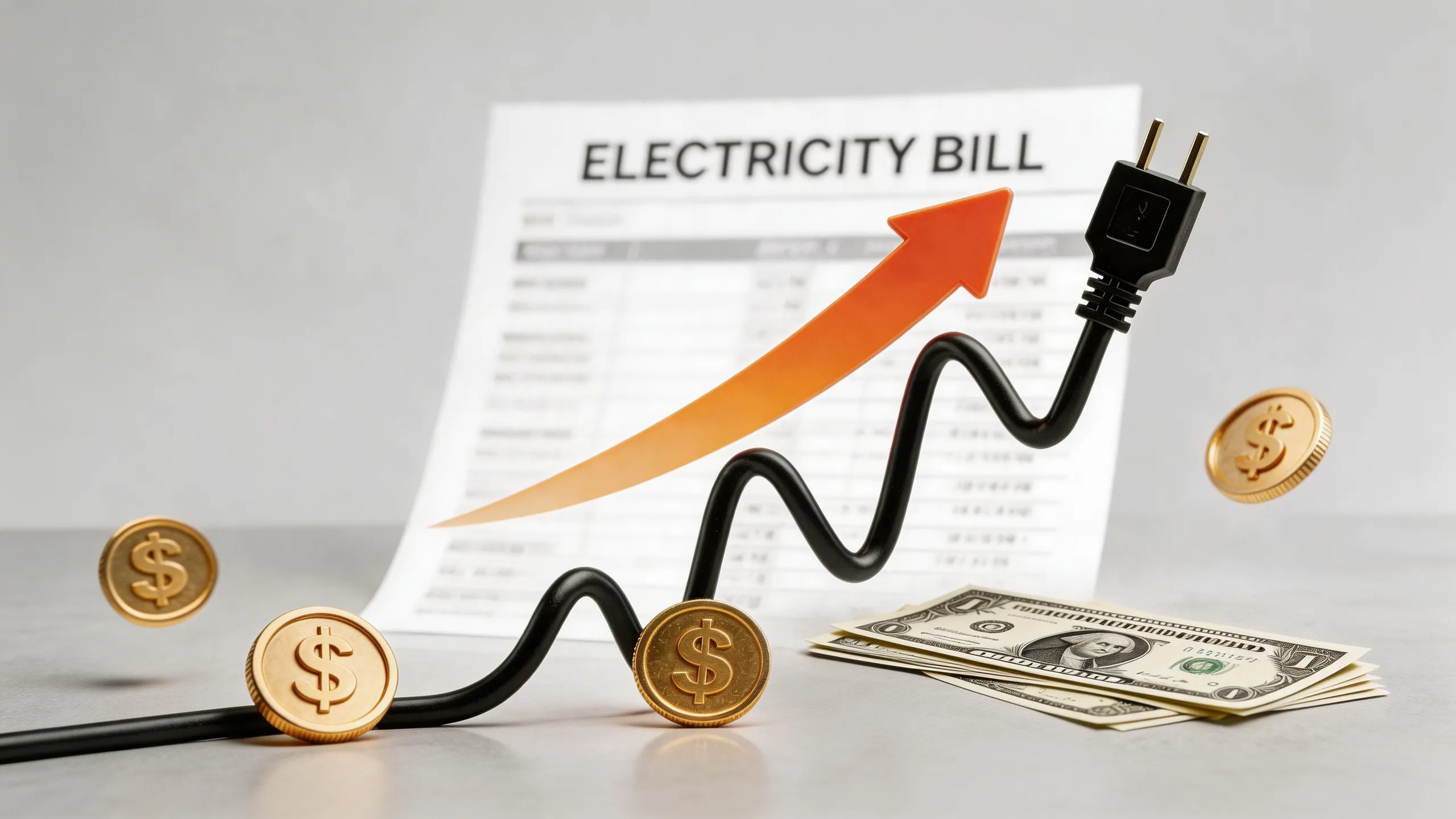
Opening your electricity bill and wondering “Why is it so high this month?” has become increasingly common for many homeowners. In 2025, the average U.S. household electricity bill was around $148.8 per month, and it can climb to about $170–$180 during peak summer months when A/C demand surges.
The average residential electricity price reached 17.24 cents per kWh in 2025, up 6% from the previous year, according to the data from the U.S. Energy Information Administration (EIA). Meanwhile, many homes are consuming more power. A typical American household used around 863 kWh of electricity per month in 2025, which means even small changes in rates or usage can noticeably raise your monthly bill.
If your electricity bill suddenly spikes, it usually comes down to two main factors: higher electricity prices or higher energy usage at home. In this article, we’ll break down the most common causes of high electric bills and practical ways you can lower them.
Two Main Reasons Your Electric Bill Is High
Rising Electricity Prices
Sometimes your electricity bill increases even when your energy usage stays the same. This happens when electricity rates rise.
Utility Infrastructure Upgrades to Modernize Aging Power Grids
One major factor is the modernization of aging power grids. Much of the U.S. electricity infrastructure was built decades ago, and utilities are investing heavily in upgrades to improve reliability, integrate renewable energy, and handle growing demand. These large infrastructure projects cost billions of dollars, and part of those costs are often reflected in utility rates.
Rising Fuel Costs Used in Electricity Generation
Another driver is the cost of fuels used to generate electricity, especially natural gas. Because natural gas fuels a large share of U.S. power generation, fluctuations in gas prices can directly influence electricity rates in many regions.
Growing Electricity Demand from AI Data Centers And Digital Infrastructure
One of the fastest-growing sources of demand is AI and cloud computing data centers. These facilities run thousands of servers around the clock and require enormous amounts of electricity. Data centers already consumed around 6-8% of total U.S. electricity in 2025, and their energy use could more than double by 2030. The costs for the data centers are often being passed on to consumers in the form of higher utility charges.
Extreme Weather Events Can Massively Increase Demand Pricing
Extreme weather can also push electricity prices sharply higher by straining power systems. A typical example is Winter Storm Uri in Texas in February 2021, when freezing temperatures knocked many power plants offline as heating demand surged. To prevent a complete grid collapse, Texas grid operator ERCOT raised the wholesale electricity price to the maximum of $9,000 per MWh for several days. The price spike left some households with bills exceeding $16,000 and forced several energy providers to face billions of dollars in costs.
Increased Electricity Consumption at Home
The second major reason your electric bill may be high is increased electricity use inside your home. Many everyday factors can quietly increase energy consumption.
Common factors that increase household electricity usage include:
- Heating and cooling systems: HVAC systems are the largest energy consumers in most homes and tend to run longer during extreme heat or cold.
- Inefficient or aging appliances: Older refrigerators, water heaters, and air conditioners often use significantly more electricity than newer energy-efficient models.
- More electronic devices in the home: Modern households use more electronics than ever, such as TVs, laptops, tablets, and smart home appliances. Their collective use can noticeably increase your electricity consumption.
- Phantom loads (vampire energy): Devices such as TVs, device chargers, and gaming consoles can still consume power in standby mode, accounting for around 5–10% of residential electricity use.
- Poor insulation and air leaks: Gaps around windows, doors, or poorly insulated walls cause heating and cooling systems to work harder.
- Multiple Energy-intensive appliances: Appliances such as electric dryers, water heaters, ovens, and EV chargers can consume large amounts of electricity when used frequently.
- Seasonal changes and weather: Extreme temperatures in summer or winter often cause temporary spikes in electricity consumption.
Practical Ways to Cut Your Electric Bill
Shift Your Power Usage
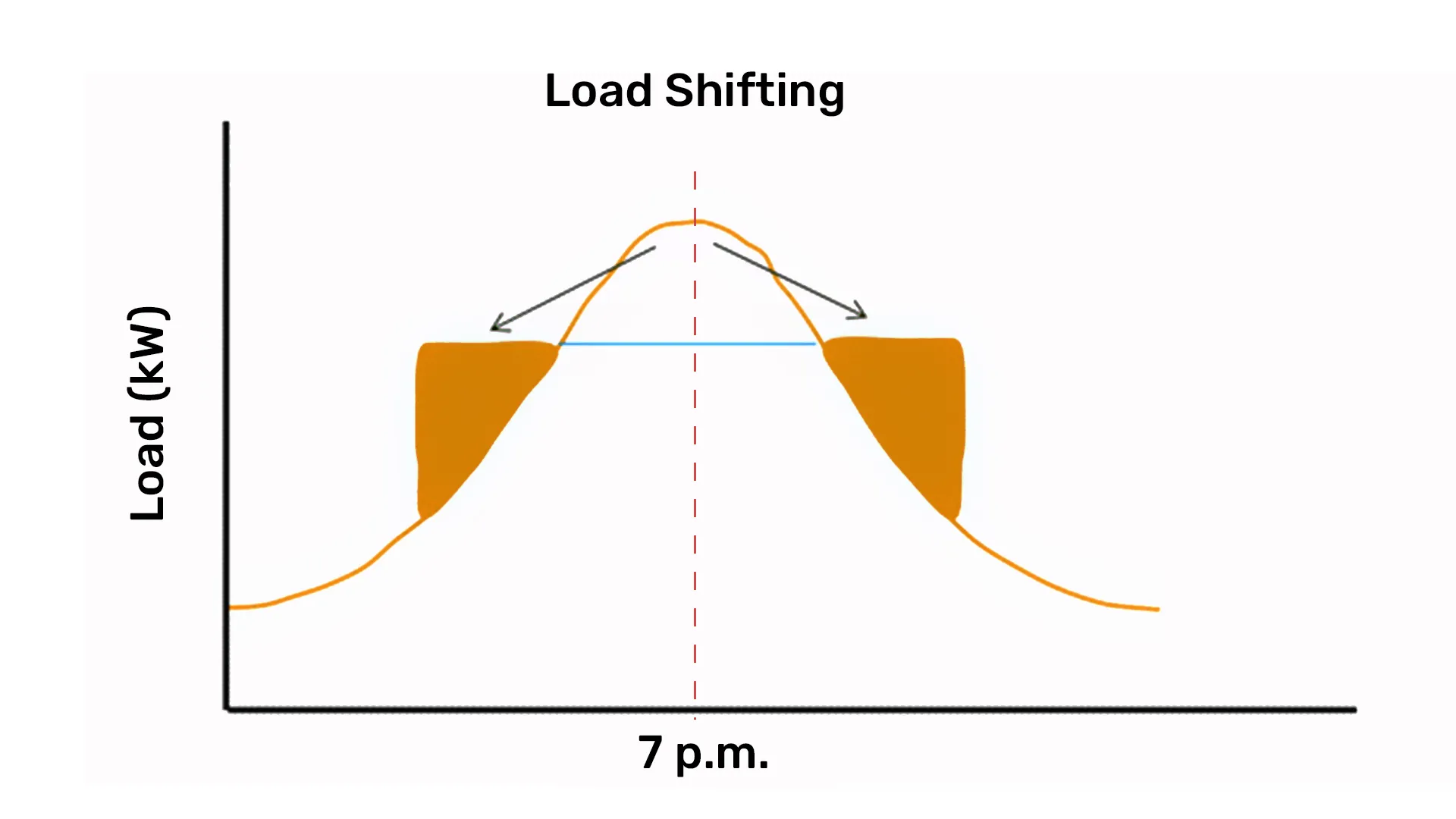
If your utility uses Time-of-Use (TOU) pricing, electricity costs more during peak demand hours (usually afternoon and evening). Simply shifting when you run specific appliances can help lower your bill.
For example:
- Do laundry later at night instead of right after dinner.
- Charge your EV overnight when electricity rates are lower.
- Raise your thermostat a few degrees during expensive afternoon hours so your A/C runs less.
- Pre-cool your home early in the morning before peak hours temperature increases.
With a few simple adjustments, you can reduce your energy costs without compromising convenience.
Add Intelligent Energy Management and Home Battery Storage
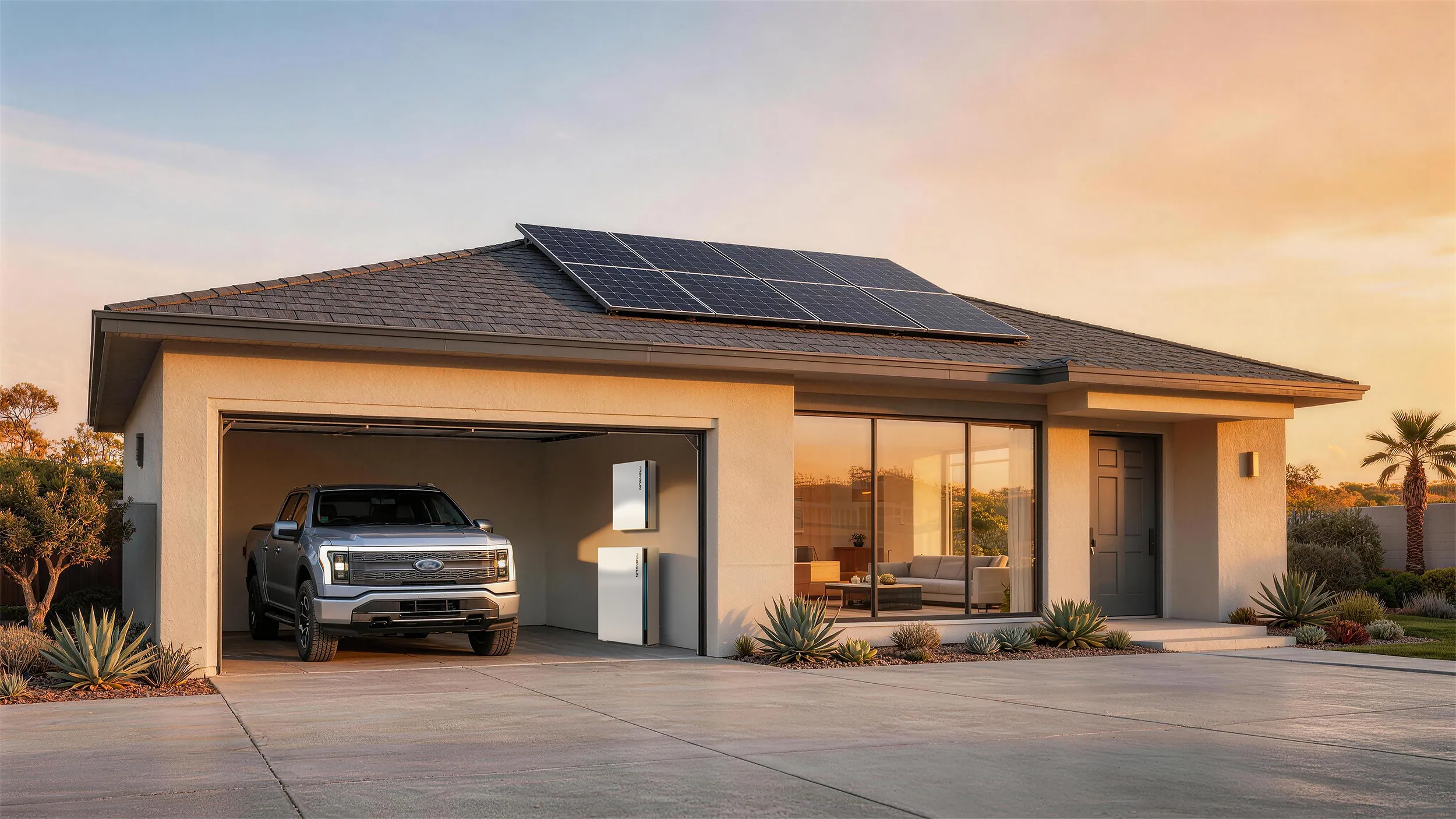
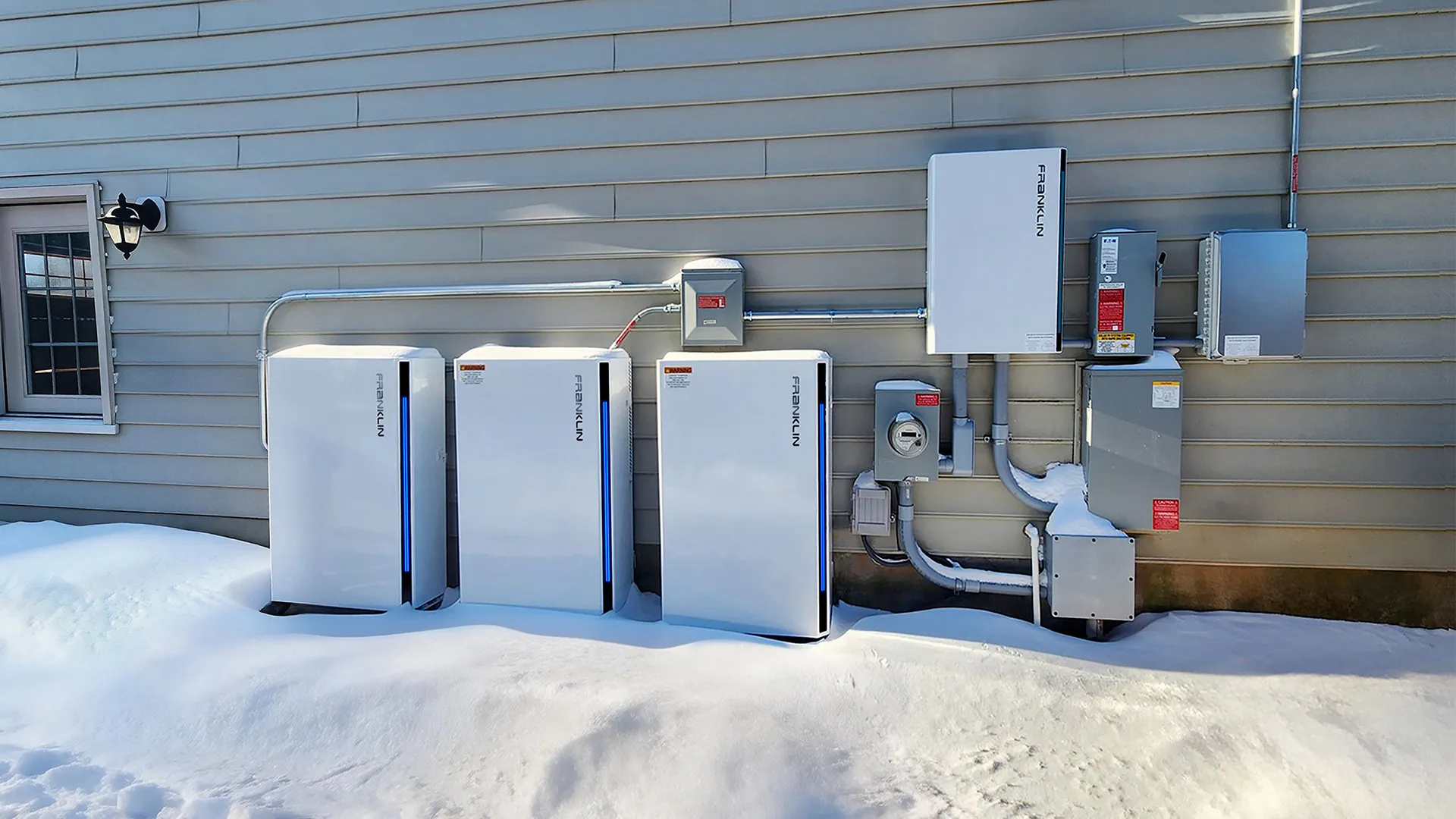
An intelligent energy management and battery storage solution is a game-changer in saving on energy bills. An epitome of the solution is the FranklinWH System, which allows homeowners to:
- Store excess solar energy during the day, or low priced utility energy late at night, and use it when electricity prices are steep, such as peak evening hours.
- Minimize reliance on grid power by using stored energy when needed.
- Intelligently control and optimize energy supply and usage for utmost efficiency.
Even if you don’t have solar, you can still use the system to save money by taking advantage of TOU arbitrage, charging during off-peak hours and use the stored energy when price spikes.
Upgrade to Energy-Efficient Appliances
Replacing outdated appliances with energy-efficient models can significantly reduce electricity use over time. Look for ENERGY STAR® appliances when replacing refrigerators, washers, or dishwashers. These models meet strict efficiency standards and can cut energy use by about 10–50% compared with traditional models, depending on the product.
Monitor And Track Your Energy Usage
Smart energy monitors can show exactly where electricity is being used, so you can take action.
For example:
- Identify phantom loads: Many homeowners are not aware that they are paying for electricity that is being wasted by electronic devices that are plugged in but not actively in use. Unplugging these idle electronics or using smart power strips can eliminate wasted electricity.
- Spot energy-hungry appliances: Monitoring tools help you see which devices consume the most power so you can adjust usage through load shifting or upgrading them.
- Identify and disconnect unnecessary devices: Your HVAC system might turn on unnecessarily due to incorrect settings. Turn off the running appliances that you don’t actually need at the moment.
Conclusion
Electricity prices are expected to continue to rise in 2026. While homeowners cannot fully control electricity rates, they can take proactive steps to improve energy efficiency, optimize power usage, and adopt intelligent home energy solutions such as the FranklinWH System.
By understanding what drives their high electric bill and making targeted improvements, homeowners can significantly reduce energy costs and gain greater control over their household energy consumption.
