


When you get home in the evening, do you immediately dial up the thermostat, start some laundry, and take a hot shower to wash away the day’s stress? You might even make yourself a tasty dinner with the air fryer or your stove and start the dishwasher before heading to the couch to catch the game or your favorite reality TV show.
If this seems like a standard evening for you, it’s likely similar for your neighbors and people across your region. While everyone’s routine might look a little different, they all have one thing in common: power usage.
Evenings, especially in the hottest and coldest months, often represent peak hours for electricity. But what are peak hours for electricity in your area, and what does this mean for you, your utility company, and your electric bill? Let’s dive into the specifics of peak hours and how they impact you.
What Are Peak Hours for Electricity?
The name says it all, but peak hours for electricity are the times of day when demand for power is at its highest across your local grid. Think of it like rush hour for using electricity. This is when people in your community tend to use their big power drinkers such as air conditioners, ovens, and washing machines.
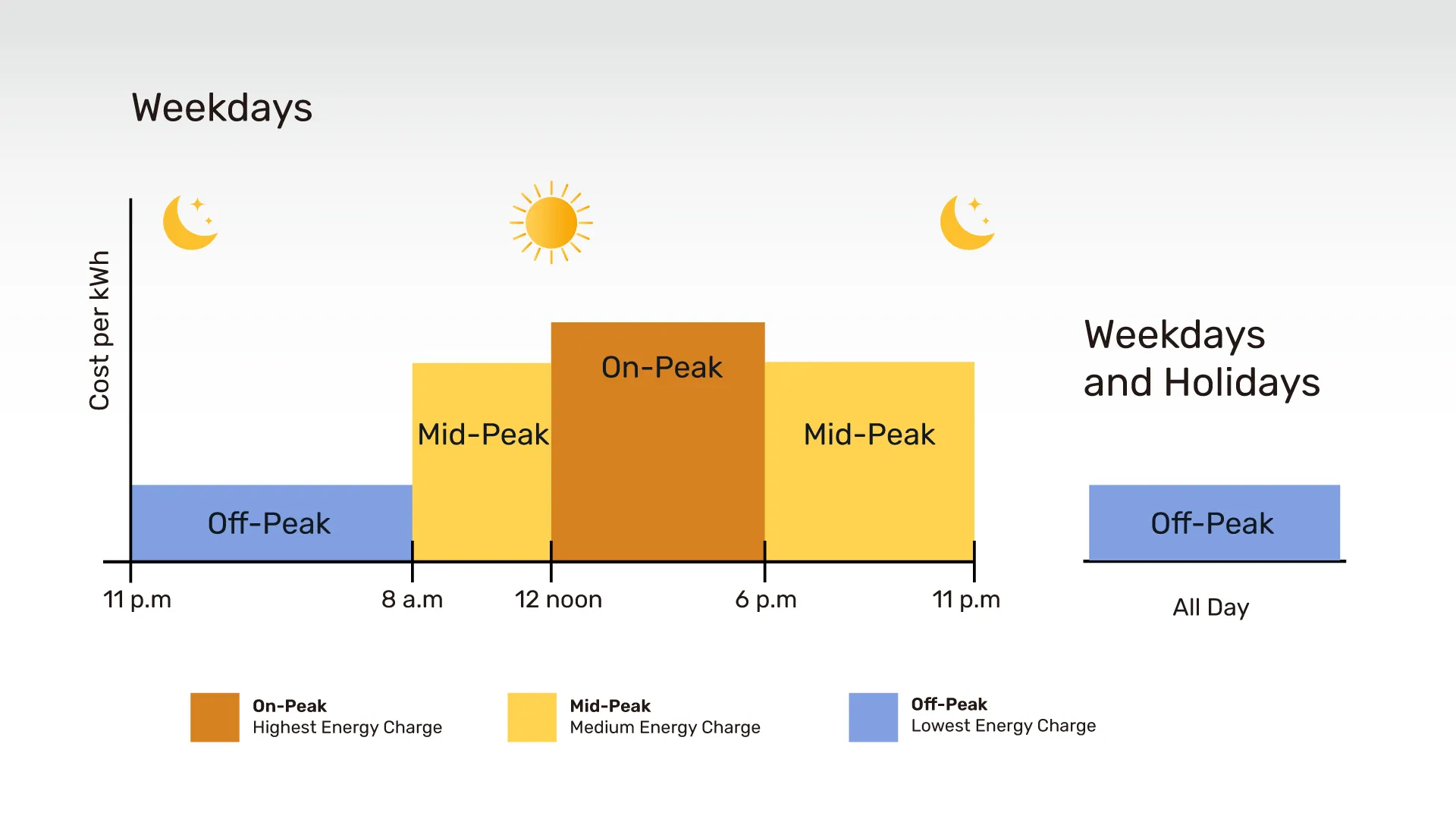
Why does all of this matter? When power demand spikes, your utility company has to work harder (and spend more), often relying on more costly sources of power, such as peaker plants, to keep the lights on for everyone. More utilities across the country are passing these costs to their customers through special Time-of-Use (TOU) rate plans that charge customers more for using power during peak hours and less during quieter times.
In 2024, around 20% of utility companies across the United States offered TOU plans, but as electricity demand continues to rise, more customers may find themselves shifted onto these plans and paying more during peak hours for electricity usage.
When Are Peak Hours for Electricity?
If you’re on a TOU energy plan, it’s important to know when the peak electricity time is in your area. Using a lot of energy during these times will increase your monthly energy bill, and no one wants that. Even if you have a standard energy plan, reducing your energy use during peak hours can take the pressure off your utility company, reducing the risk of grid strain and outages.
So, when are your peak hours for electricity usage? The answer depends on where you live and the time of year. Generally, electricity usage peaks when most people are home and active.
Here’s a good rule of thumb from electricityrates.com:
- Eastern Time Zone, Summer: 2 p.m. - 6 p.m.
- Eastern Time Zone, Winter: 6 a.m. - 10 a.m. / 6 p.m. - 10 p.m.
- Central Time Zone, Summer: 1 p.m. - 5 p.m.
- Central Time Zone, Winter: 5 a.m. - 9 a.m. / 5 p.m. - 9 p.m.
- Mountain Time Zone, Summer: 8 a.m. - 11 p.m.
- Mountain Time Zone, Winter: 7 a.m. - 10 p.m.
- Pacific Time Zone, Summer: 6 p.m. - 9 p.m.
- Pacific Time Zone, Winter: 6 a.m. - 10 a.m. / 5 p.m. - 8 p.m.
Keep in mind that these time windows are general. Check with your utility to find your specific peak hours for electricity or review your electricity bill.
Why Choose a Time-of-Use Energy Plan
While the majority of people in the United States are currently on flat rate energy plans (where they pay a standard price per kilowatt hour they use, no matter the time of day), or tiered energy tariffs (where they pay a different price as power usage increases), over 13 million Americans are on TOU plans.
For savvy individuals who have some flexibility in their schedules, or can use home energy storage systems during peak hours, TOU plans can be a great way to save on energy bills. While TOU plans charge high rates during electricity peak times, they charge much lower rates during off-peak hours. People who can shift a lot of their energy use to these off-peak hours or charge the battery during these periods for peak-hour use will save big on their energy bills.
How to Use Off-Peak and Shoulder Hours to Save
Once you confirm your utility’s peak hours, it’s time to get strategic and start saving money. Note: many TOU plans also include “shoulder hours,” which are mid-price periods that fall between peak and off-peak times.
It’s always ideal to shift as much of your energy usage from peak hours to off-peak hours, but if you really need to get that load of laundry done or make dinner, shifting to shoulder hours is a good compromise.
Ready to save? Here are practical steps you can take to lower your TOU energy bill:
- Run your big appliances, such as your dishwasher, washing machine, and dryer, late at night, early in the morning, or on weekends, when rates are lowest.
- Precool or preheat your home. For example, in the summer, lower your thermostat during shoulder hours before peak times hit. In the winter, warm your home in the morning off-peak window, then reduce heating when peak hours hit.
- Charge your electric vehicle overnight along with other devices, such as laptops and phones.
- Prep meals in advance to avoid using your stove and oven as much as possible during peak hours. Fall in love with slow cookers and pressure cookers, and make your meals during off-peak hours.
- Adjust your thermostat during peak hours. Even a few degrees can make a big difference in your energy use.
Take Your TOU Plan to the Next Level with Whole-Home Energy Management
Moving your energy usage to off-peak hours can save you big on your energy bills, but it can also be a pain to start your laundry at 10 PM or to sweat it out on a hot summer day because you don’t want to crank up the air conditioning during peak hours.
If you want to take your energy savings to the next level, it’s time to leverage cutting-edge technology. We’re talking about installing solar panels, solar batteries, and smart controllers so you take ultimate control of your energy use.
- Solar panels will generate free electricity during the day, reducing your reliance on expensive grid power during peak hours.
- Battery storage captures excess solar energy and grid power during off-peak hours. The battery can then release that stored energy during electricity peak times, cutting or even eliminating grid use during that most expensive period.
- Invest in smart controllers to automate the entire process. Smart controllers can monitor your utility’s rate schedule and seamlessly switch between solar, battery, and grid power so you pay the least amount possible without lifting a finger.
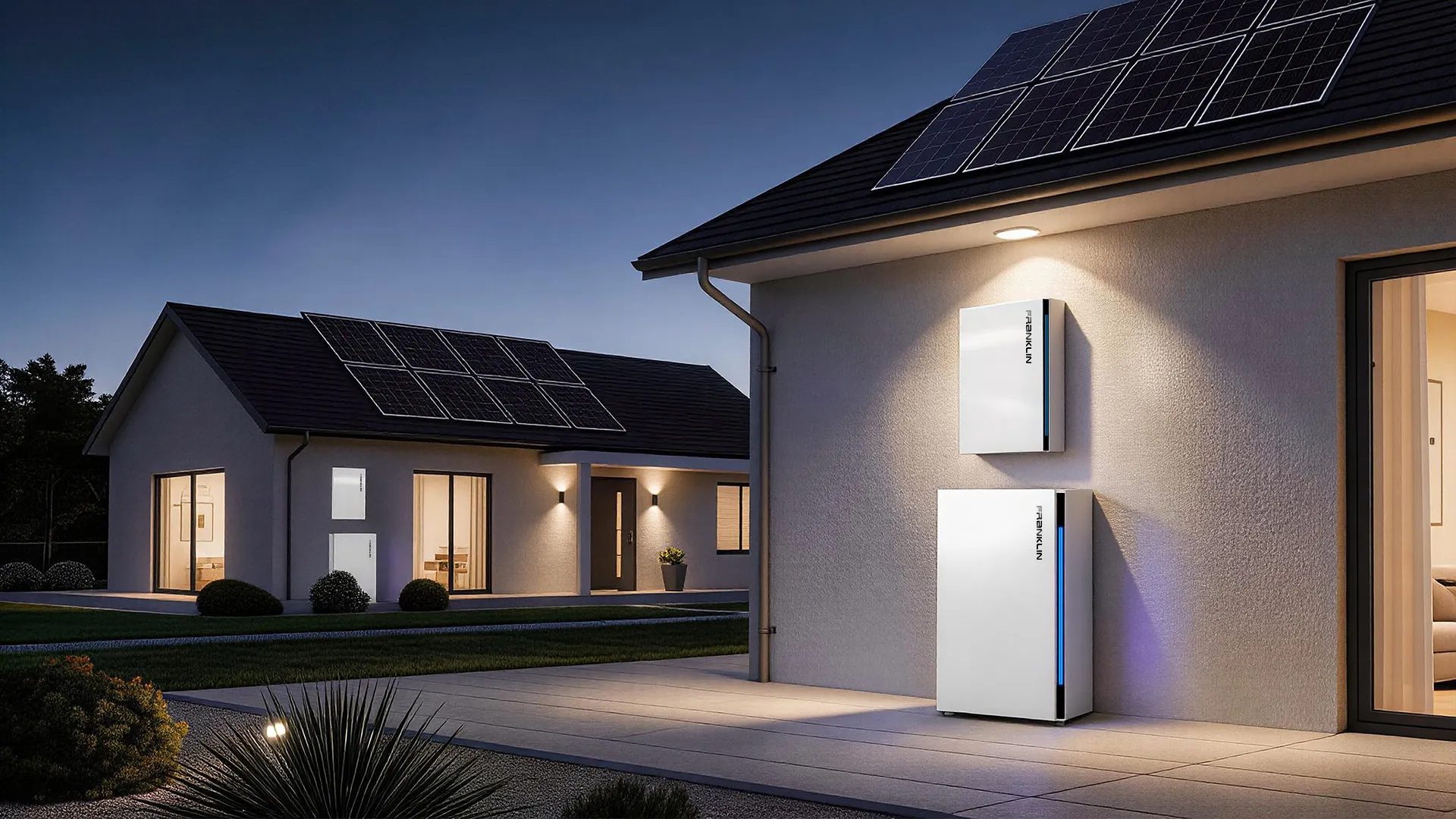
Sound good? FranklinWH offers a comprehensive whole-home energy management system with battery storage. If you’re ready to maximize your TOU savings while enjoying more grid independence, request a free consultation today.
