


Power surges can happen in an instant, but they often have big, nasty consequences. For instance, your power goes out and, when the lights flicker back on, you discover that your modem, video game console, and headphones are all fried.
What just happened? More importantly, how can you save your favorite electronics from the next surge?
Protect your devices by understanding what causes a power surge, recognizing the signs of a power surge in your home, and, most importantly, learning how to prevent power surges. The good news is that avoiding electronics-wrecking power surges is relatively easy. All you need is a little knowledge and smart prevention.
Understanding Power Surges and Their Impact
So, what are power surges? The definition of a power surge is straightforward: It’s a sudden increase in voltage that exceeds the standard flow of electricity in your home’s circuits.
Think of your home’s electrical system as water flowing through pipes under steady pressure. When a power surge occurs, that steady flow suddenly gets a massive push. However, instead of water flooding through your pipes, electricity is racing through your wires. While your outlets typically deliver 120 volts, a power surge can spike that number to hundreds or even thousands of volts in mere milliseconds.
Unsurprisingly, that huge rush of electrical current can overwhelm the delicate circuits in your electronics. That’s why you may have to kiss your microwave and beloved dehumidifier goodbye after a power surge hits your home.
The Common Causes of Power Surges
Power surges can strike suddenly and in dramatic fashion, but they can also creep into your home through smaller, repeated spikes that wear down your appliances over time. When it comes to what causes a power surge, here are the common culprits:
- Lightning Strikes: When lightning hits near a power line, it can send millions of volts racing toward your home in an instant. It’s a bright, sizzling harbinger of electronic destruction.
- Power Grid Outages: It’s not the power going out that wrecks your circuits; it’s when the power comes back on. The sudden pulse of incoming voltage can tear through your home’s electrical system, ironically damaging the very appliances you were waiting to restore.
- Brownouts: When voltage drops during a brownout and then suddenly rebounds, the resulting surge can damage sensitive electronics and appliances.
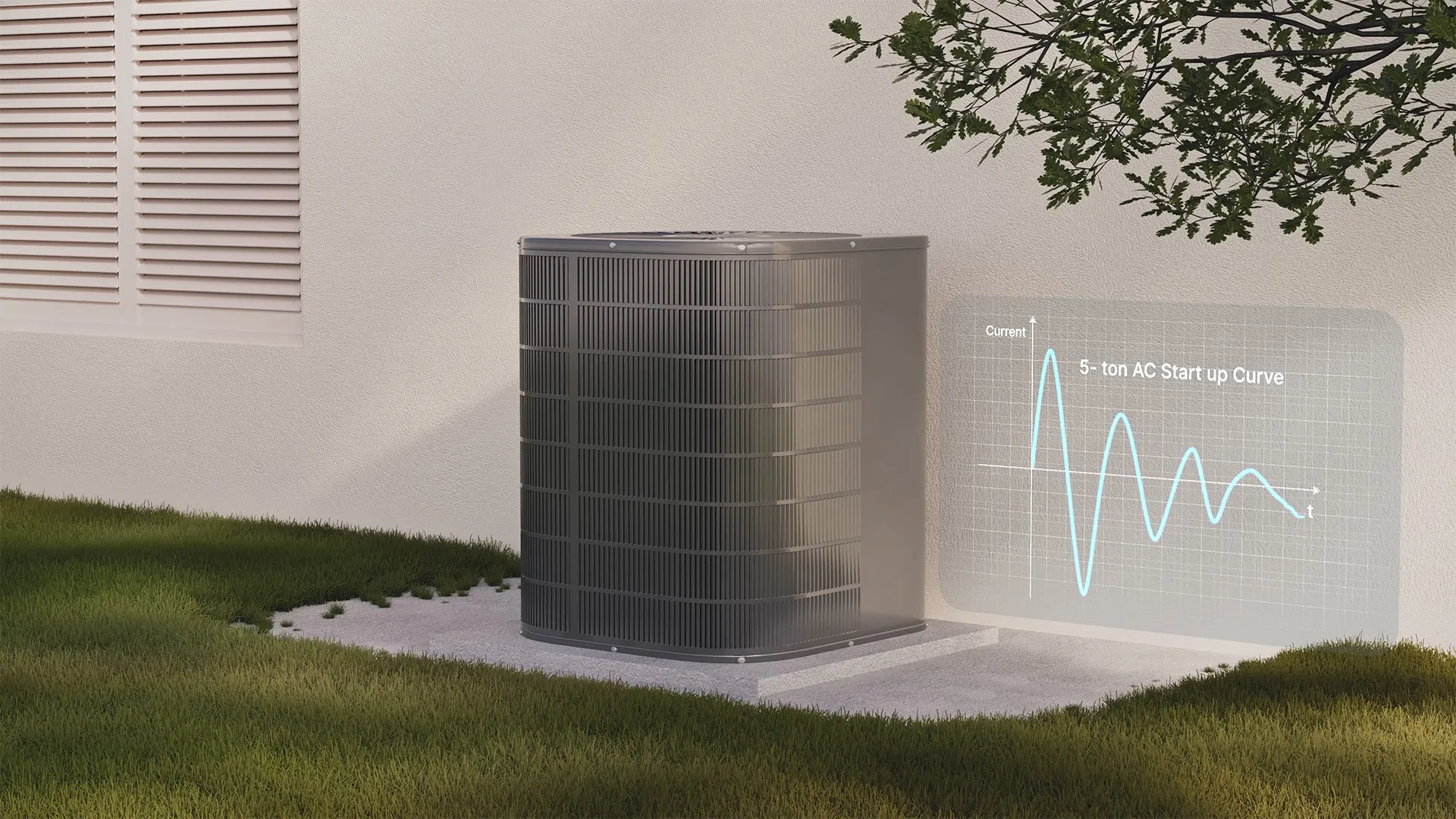
- Your Big Appliances: Sometimes, the danger is lurking from within your own home. High-power appliances, such as air conditioner, refrigerator, or space heater, can create mini-surges as they cycle on and off. Over time, these repeated spikes slowly degrade your other devices.
- Electrical Overload: If you’re a fan of National Lampoon’s Christmas Vacation, then you already know exactly what happens when you plug too many cords into a single circuit. The circuit can become overwhelmed, triggering a dangerous surge. It’s not so funny when it happens in real life!
- Faulty Wiring: Old houses offer tons of charm, but they may also come with old, damaged, or out of modern regulations wiring that leads to frequent, small surges that wear down your electronics.
How Power Surges Affect Your Electronics
Why exactly does a power surge toast your toaster and other devices? Modern devices contain tiny, delicate components, including microprocessors, capacitors, and circuit boards. Each of these components is designed to operate within specific voltage ranges. When excess electricity floods into these components, it creates heat that can literally melt or burn these critical parts.
Even small, repeated surges can cause damage to your devices over time. Each spike degrades their internal components bit by bit. If you’ve ever wondered why your blenders never last more than a year, power surges may be the reason.
Recognizing the Signs of a Power Surge in Your Home
If your microwave dies a big right after a lightning storm, it’s pretty easy to figure out the connection. However, as you’ve learned in this article, smaller power surges can slowly destroy your devices while remaining virtually undetected.
If you suspect your home has or is experiencing power surges, look out for these telltale signs:
- Burnt smell: You’ll know this one when you smell it. A distinct acrid odor coming from your outlets or devices is a pretty obvious sign that components have literally fried.
- Tripped Breakers: Circuit breakers frequently trip in response to surges.
- Dead Devices: If multiple electronics give up the ghost at the same time, it probably isn’t a coincidence.
- Flickering Lights: If you find yourself constantly resetting digital clocks or if you notice lights that dim and brighten unexpectedly, those are signs of ongoing surge issues.
How to Protect Your Home and Devices from Power Surges
Losing that brand new soundbar you installed to a power surge can be devastating. Make sure it doesn’t happen again by protecting your home and electronics from future surges. While there are some fast, easy, and cheap ways to keep power surges at bay, the best approach is often multi-layered.
- Buy Surge Protectors: Invest in quality surge protector strips as your first line of defense. Make sure to use these for your most valued electronics, such as computers and entertainment systems. Don’t forget to replace them every three to five years, as their effectiveness diminishes over time.
- Install Whole-Home Surge Protection: If you want to protect all your home’s devices, add whole-home surge protection to your electrical panel. This will stop major surges before they hit your home’s wiring.
- Upgrade Old Wiring: Though costly, hiring a licensed electrician to upgrade your outdated wiring will allow it to handle modern electrical demands, lower your risk of fires, and even increase the value of your home.
- Invest in a Home Energy Management System: Modern home energy management systems with battery storage can isolate your home from the grid during power outages, helping to reduce the risk of a power surge when the power comes back on.
Need a quick protection hack while you work on implementing the recommendations above? Try unplugging your electronics during storms. This is the simplest way to protect your devices from power surges related to severe weather.
Take Control of Your Home’s Power Protection
By understanding the meaning of power surges, you can better protect all the appliances, electronics, and devices that keep your home and life running. As you now know, surges can strike suddenly or seep in through daily appliance cycling. Either way, losing your devices all at once or slowly over time can be both costly and frustrating.
While surge protectors offer a basic defense against surges, intelligent home energy management systems can form a great net of protection around your home. The FranklinWH System acts as a smart buffer between your home and the unpredictable grid by automatically managing power flow from multiple sources to deliver clean, stable electricity.
Don’t wait for the next surge to damage your favorite devices. Take the first step toward home energy protection and independence. Request a consultation from FranklinWH today.
