


Power outages are becoming more common across the country in the face of increasingly severe weather and an aging electrical grid. For building owners and business operators, keeping the lights on during these outages isn’t only about convenience; it’s also critical to keeping people safe and staying compliant with local safety laws.
When you begin looking into backup power solutions, you’ll likely come across the terms “emergency power” and “standby power.” While these terms are often used interchangeably, they’re actually quite distinct, especially from a regulatory standpoint.
By understanding the differences between emergency vs. standby power systems, you can make the right decision for your building’s power infrastructure.
What Defines Emergency and Standby Power Systems?
A big storm moves into town. Lightning sizzles through the sky, followed by big booms of thunder. Suddenly, the lights go dark throughout the neighborhood. What happens next in your building will depend on whether you’ve installed an emergency power system or a standby power system.
Emergency Power Systems
According to the National Electric Code (NEC), emergency power systems must provide power to all “loads” (or specific equipment and devices) that are essential for human life and safety. That could include things such asemergency lighting, fire alarm systems, elevators, and ventilation equipment.
Emergency power systems are legally defined under NEC Article 700.
Standby Power Systems
Standby power systems have less rigorous requirements than emergency power systems. During an outage, standby power systems must restore power to any load required by local regulations. These aren’t necessarily considered emergency or lifesaving loads and may include things such as heating and cooling systems or communications equipment. Legally required standby power systems are defined by NEC Article 701.
Additionally, NEC Article 702 describes optional standby power, which building operators can choose to install to protect property and prevent business disruption.
Does Your Building Need Emergency and Standby Power Systems?
Now that you understand the basics of emergency vs. standby power systems, you may be wondering which type of system your building needs. The answer could be both. Many buildings have emergency and required standby power systems. Rather than think of emergency power and standby power as either/or, think of them as layers of backup power.
- Buildings that require both systems usually include:
- Hospitals and healthcare facilities
- Highrise buildings
- Large assembly spaces such as theaters, stadiums, and conference centers
- Educational facilities, such as schools and universities
- Hotels
- Large residential buildings
Just keep in mind that optional standby power regulations are just that, optional.
Key Differences in Safety, Reliability, and Usage
Beyond response times and basic functionality, emergency and standby power systems differ in other important ways.
Emergency power systems operate under the strictest standards. These systems require dedicated wiring circuits separated from all other systems, monthly testing protocols, and special signage that marks all components. You can’t share emergency power infrastructure with normal power systems, and you must use approved fuel sources to guarantee reliability. You’ll also need to meticulously maintain your records for regular inspections.
You’ll get more flexibility in designing your legally required standby power system. While the system must still maintain a high degree of reliability, it can share some infrastructure with normal power systems. This gives you some leeway in putting together your load management strategy. You’ll also face less stringent testing requirements.
Finally, you have a lot of control over how you design your optional standby power system. You can decide which loads you want to prioritize . Most importantly, you can design your system around your budget and use a range of power sources, including battery storage.
Understanding the requirements of emergency vs. standby power systems is crucial for building operators, so make sure you always consult the National Electric Code Articles 700, 701, and 702 to stay compliant.
Choosing the Best Backup Power Solution for Long-Term Protection
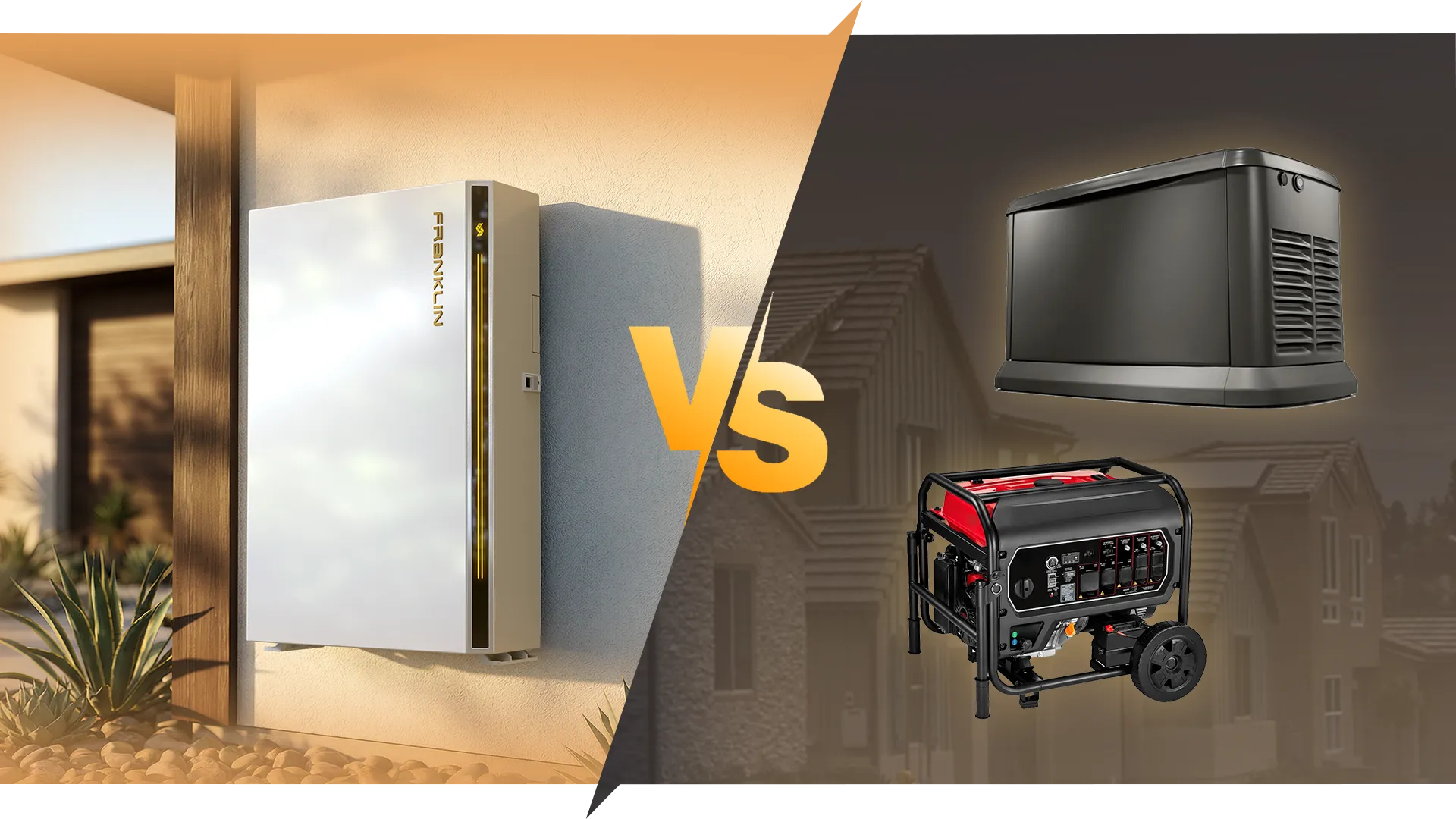
Building operators have several options when it comes to designing a backup power system. Diesel and natural gas generators have long been the standard for emergency power systems. However, they do have some notable drawbacks. They’re noisy, require regular fuel deliveries, create pollution, and need extensive ongoing testing.
Modern home energy management systems are growing in popularity and can meet both emergency and standby power requirements, requiring minimal maintenance, and operating silently. An advanced home energy management system integrates various power sources such as solar, battery, the grid, generator, and even EVs, and intelligently manages them to not only enable whole-home power backup, but help you save on your monthly energy bill by optimizing energy supply and use.
Looking to invest in a sophisticated integrated solution for both emergency and standby power? The FranklinWH System is an excellent choice. With lightning-fast seamless backup switch , 15-year battery warranties, and scalable capacity up to 225 kWh per controller, FranklinWH is the reliable choice for homeowners.
If you’re ready to modernize your building’s backup power infrastructure so you can rest easy when the power goes out, or you want to significantly slash your electricity costs, schedule a no-pressure consultation with FranklinWH today.
Disclaimer: This article is intended only for informational purposes and does not constitute legal, compliance, or professional engineering advice. Specific NEC requirements vary by jurisdiction, building type, occupancy classification, and local amendments to national codes. We encourage all building owners and managers to consult the complete NFPA 70 (National Electric Code) Articles 700, 701, and 702, along with all applicable local codes, amendments, and authority having jurisdiction (AHJ) requirements for their specific location and building type. For the most current regulations and specific legal requirements for your backup power system, visit NFPA.org and your local building authority.
