


Winter storms across North America are becoming more intense and unpredictable. Heavy snow, ice buildup, and subzero temperatures contribute to widespread winter storm power outages, leaving homes vulnerable for hours, or even days. A modern home energy storage system (ESS) offers one of the most reliable ways to keep the lights on, but only when it is properly prepared for the blistering cold weather conditions.
This guide breaks down the practical steps you can take to stay prepared for winter storm power outages.
2025-2026 Winter Precipitation Forecast
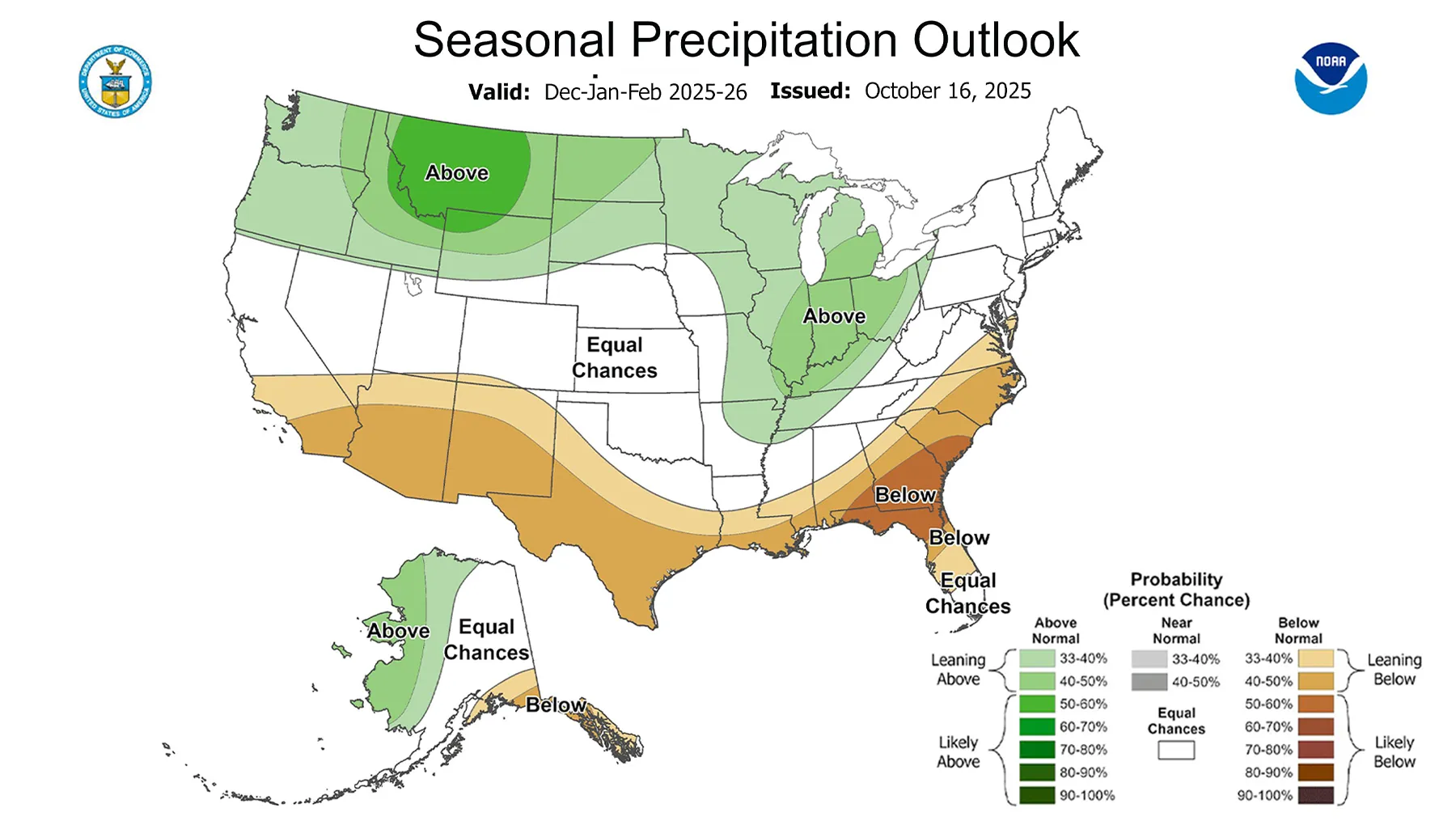
Wetter-than-average conditions are most likely over Montana, and above-average precipitation is also favored in northern and western Alaska, the Pacific Northwest, the Northern Plains, the Great Lakes region, and Ohio River Valley. Apart from the above regions, winter precipitations are also much more frequent in Canada.
When heavy snow accumulates on power lines, the added load can damage the infrastructure and result in disruptions to electricity and communications.
Source: https://www.weather.gov/media/abr/sitreport/2025-2026WinterOutlook.pdf
Before the Storm
Preparation days or even hours ahead of a winter storm can dramatically improve system performance and ensure you have enough stored energy when the grid goes down.
1. Prioritize Location
The FranklinWH System can be installed indoors or outdoors (IP 67) and operate down to –4° F thanks to its integrated battery cell heating blankets, but even with such advanced systems, indoor installation is advisable in extremely cold regions for maximum efficiency. If your region regularly sees prolonged sub-freezing weather or you live (or plan to live) completely off-grid with the FranklinWH System in that weather, consider placing the battery indoors or in a semi-conditioned space (e.g., utility room, insulated garage, basement). If an outdoor installation is the only option, ensure you plan well and follow tips 2 and 3 mentioned below. Extreme cold temperatures can slow battery chemistry and reduce the ability of the battery to charge at the desired charge rate.
2. Pre-Charge Your ESS to Maximize Stored Energy
Solar production drops sharply during snowstorms, and the grid may fail. A full battery reserve ensures uninterrupted heat, lighting, and essential loads.
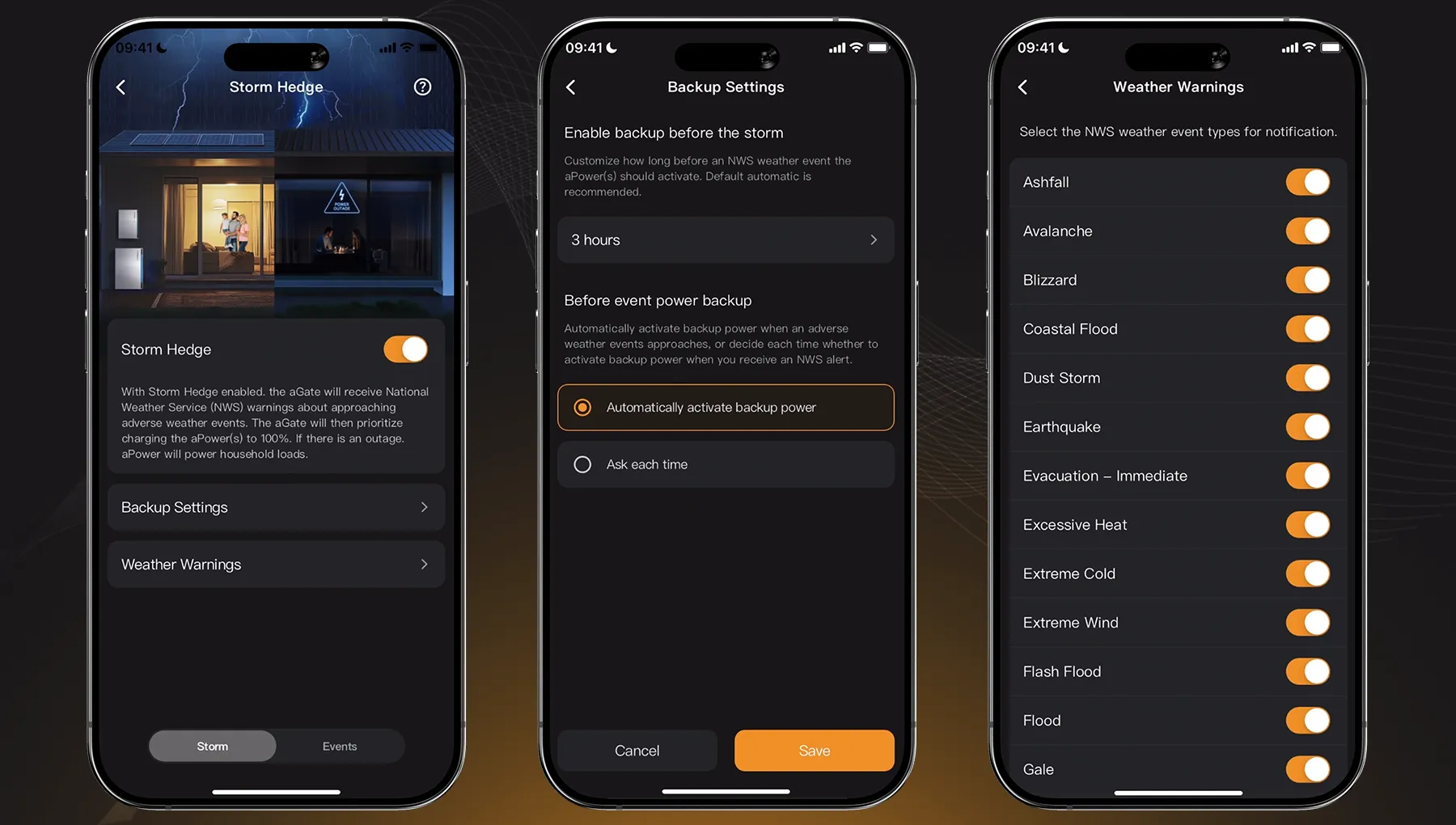
Before winter storms hit, the National Weather Service (NWS) often issues Winter Weather Advisories. Many ESS solutions provide a storm detection feature that responds to NWS notifications.
Activate your ESS’s storm-prep feature in advance so the system can automatically shift to backup mode which fully charges your battery in preparation for the outage. For example, the FranklinWH Storm Hedge function automatically enables Emergency Backup mode upon receiving extreme weather alerts from the NWS, fully charging the battery and keeping it on standby until an outage occurs. If Storm Hedge is not activated, you can manually activate backup mode in the FranklinWH App and set a high backup reserve in anticipation of a grid outage.
3. Preconditioning your Batteries
The FranklinWH System is designed to deliver energy independence and thermal reliability. While the integrated heating blanket provides robust cold-weather performance, additional measures can further enhance reliability. A brief discharge cycle can generate sufficient heat to raise the battery temperature by a few degrees, improving overall performance. Similar to your electric vehicle, pre-conditioning the battery also enables more efficient charging. For example, setting a short, temporary discharge schedule during cold nights can pre-condition the battery, ensuring it is ready to charge without derating when the sun is up.
During the Storm
4. Prioritize Essential Loads
During winter storm power outages, especially those that last multiple days, prioritizing essential loads becomes one of the most important strategies for extending the life of your home battery. High-draw appliances should remain off until grid power returns. Some advanced systems even automate this process. For example, the FranklinWH System offers Smart Circuits that allow homeowners to assign tiered load priorities, maximizing both efficiency and runtime when it matters most.
5. Monitor System Status
During a winter storm power outage, your ESS is built to operate autonomously, but keeping an eye on your reserve level through the dedicated app is still important. By periodically checking how much stored energy remains, homeowners can make informed decisions about how to adjust their energy use throughout the outage so that their home can stay powered for as long as possible.
After the Storm
6. Remove Snow, Ice, and Debris from Outdoor Equipment
Even robust weatherproof batteries benefit from staying clear of snow. After a storm, wind-driven snow can pile up around the base of the unit, making it harder to access and potentially reducing airflow around the enclosure. Whenever it’s safe to go outside, gently clear away any snow that has accumulated around the system, so it remains visible and unobstructed.
Final Thoughts
Winter storms are inevitable, but losing power doesn’t have to be. With the right preparation, an ESS can deliver dependable heat, lighting, and comfort through grid failures, extreme temperatures, and multi-day outages.
By preparing your ESS before a storm, optimizing it during the outage, and maintaining it after, you ensure your home stays resilient no matter how severe the winter becomes.
FAQs
1. How Do Winter Storms Impact an ESS?
Cold temperatures are often considered a challenge for lithium-ion-based batteries due to their impact on device performance. Low temperatures can lead to reduced overall capacity, slower charge rates, increased internal resistance, and other issues.
2. How to Alleviate the Impact of Winter Storms on an ESS to Ensure Reliability?
Many modern battery storage systems include integrated heating kits that automatically warm the cells when temperatures drop, allowing the battery to continue charging and discharging safely even in sub-freezing conditions. For example, to provide thermal reliability in cold weather, FranklinWH has opted for a reliable silicone rubber pad heater, often called the heating blanket, for the Battery Energy Storage System (BESS). This in addition to the thermal mass of the system ensures system and thermal reliability.
Homeowners in particularly cold regions can further enhance reliability by placing the system indoors, which helps reduce exposure to prolonged extreme cold and lowers the heating system’s workload.
3. How Does an ESS Combat Winter Storm Power Outages?
Many advanced ESS include weather-detection capabilities that automatically switch the system into emergency backup mode when severe weather alerts are received from the NWS. This allows the batteries to charge to full reserve ahead of the storm, ensuring homeowners have maximum stored energy before an outage occurs. Some systems also offer the smart load-control function that prioritizes essential loads and significantly extends backup duration.
4. What Measures Should be Taken After a Winter Storm?
After a winter storm, the most important step is to clear accumulated snow and ice around your outdoor ESS to keep the unit accessible and allow proper airflow. Heavy snowdrifts can bury the enclosure, trap moisture, or make it difficult to reach service panels if maintenance is needed. Clearing the area gently with a broom or shovel helps prevent long-term exposure to moisture. This offers reinforced protection to your system.
