


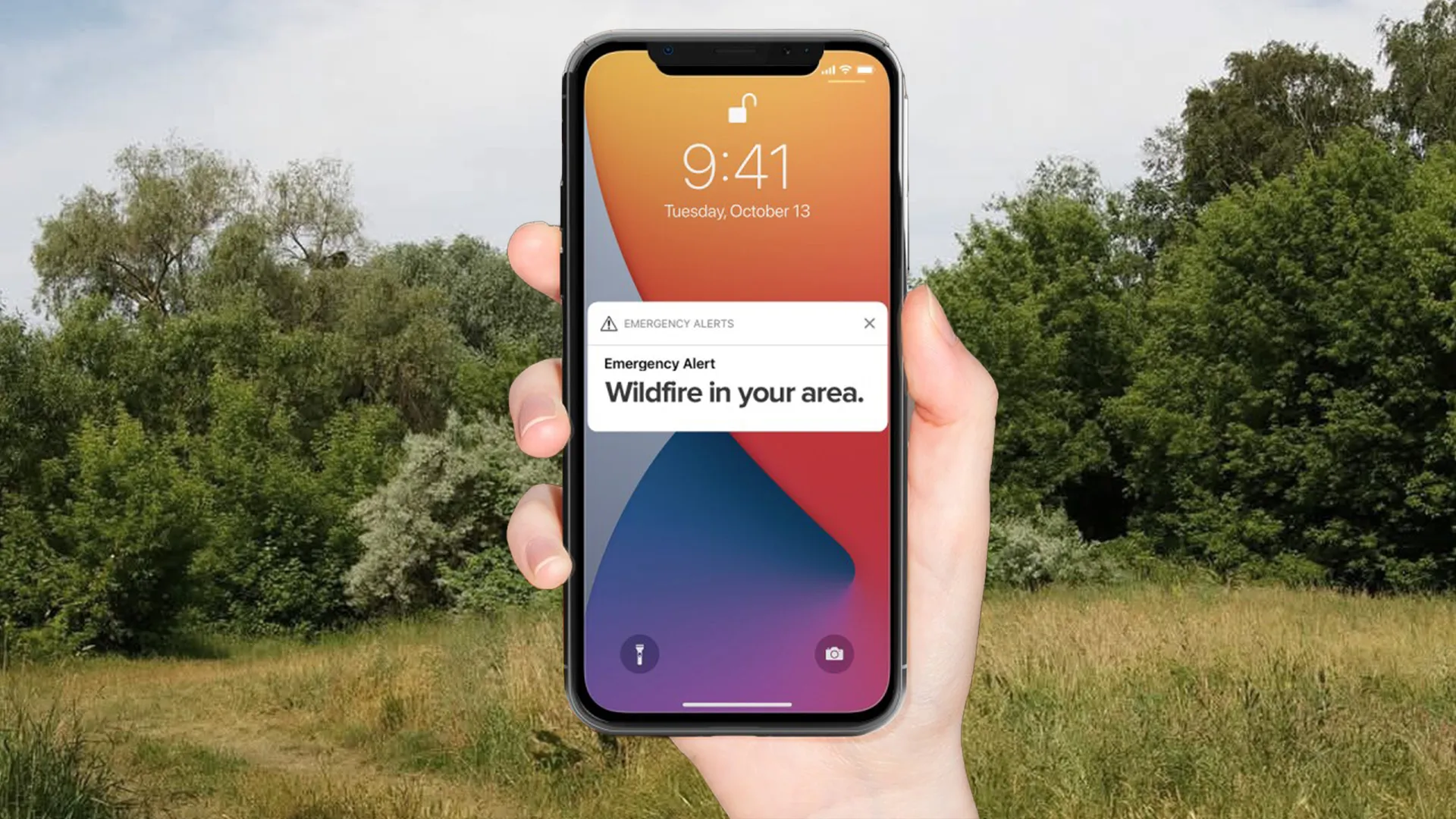
Wildfire season, typically from late spring through fall with peak activity during the hot, dry summer months, threatens millions of people across the United States. While wildfires can occur almost anywhere, the greatest risk is concentrated across the western U.S., including California, Oregon, Washington, Arizona, Idaho, Montana, New Mexico, Nevada, and Colorado, where prolonged drought, dry vegetation, strong winds, and lightning create ideal conditions for fast-moving fires.
Beyond destroying forests and homes, wildfires can damage critical infrastructure, forcing utilities to shut off electricity or causing widespread power outages as flames threaten transmission and distribution lines. In some communities, residents may be left without power for hours or even days while emergency crews work to contain the fire and restore damaged equipment.
How Do Wildfires Start?
Every wildfire begins with an ignition source. In the United States, wildfires are generally caused by either natural events or human activities. While weather conditions such as drought, high temperatures, and strong winds don't ignite fires on their own, they create the dry, fuel-rich conditions that allow a small spark to grow into a fast-moving wildfire. According to the National Interagency Fire Center (NIFC), human-caused fires account for about 88% of all U.S. wildfires, making prevention a shared responsibility.
- Lightning: The leading natural cause of wildfires. Lightning can ignite dry grass, shrubs, and trees, particularly during dry thunderstorms.
- Unattended campfires: Campfires that aren't fully extinguished can leave behind embers that reignite and spread to nearby vegetation.
- Discarded cigarettes: Carelessly discarded smoking materials can ignite dry grass or leaf litter, especially in hot, windy conditions.
- Equipment and power lines: Sparks from power tools, lawn equipment, vehicles, or damaged power lines can ignite surrounding vegetation.
- Debris burning and fireworks: Escaped debris burns and fireworks are common sources of preventable wildfires during dry weather.
- Arson: Some wildfires are intentionally set and can quickly grow under favorable fire conditions.
How Long Do Wildfires Last?
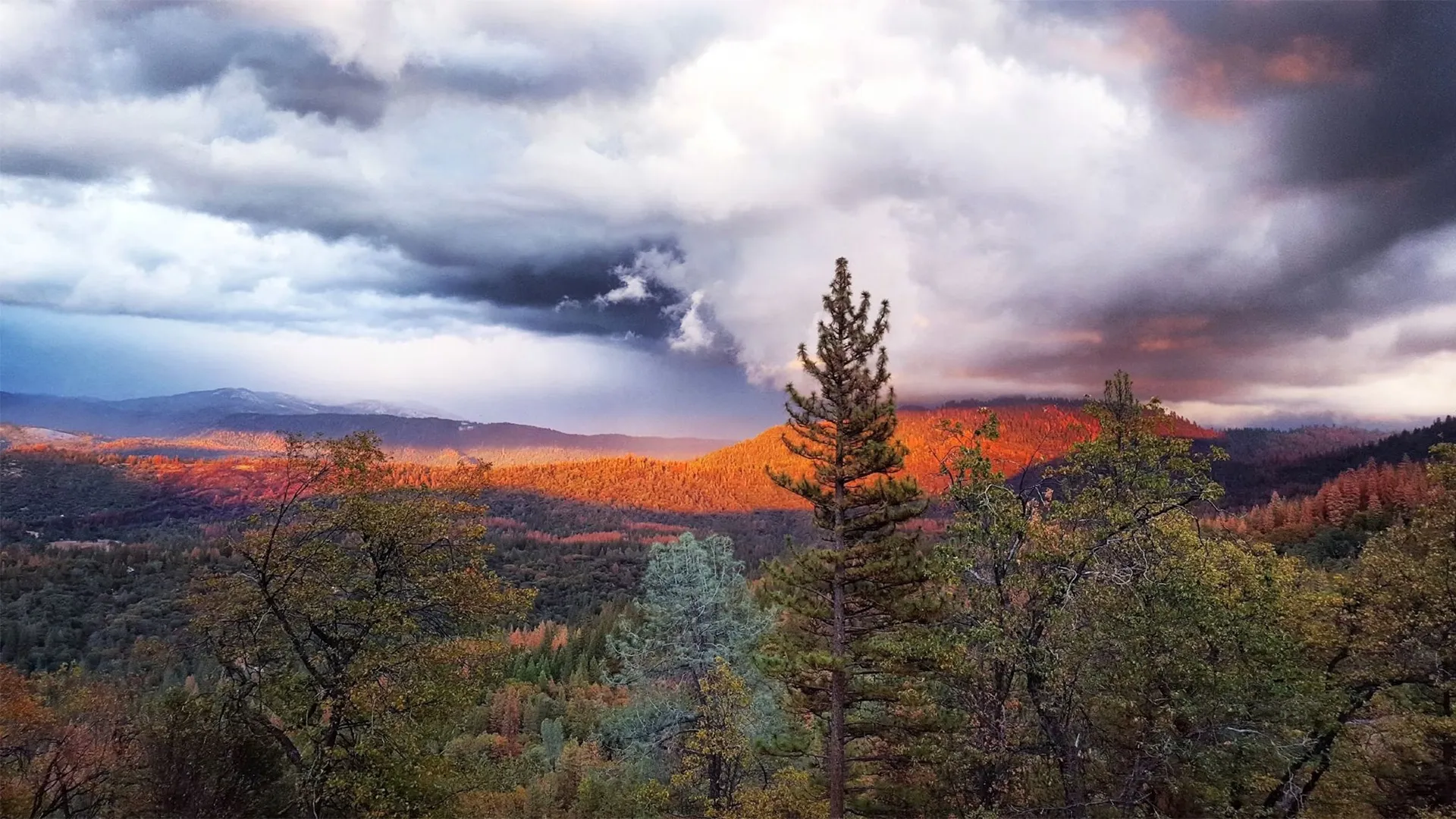
There is no fixed duration for a wildfire. Some small fires are contained within a few hours, while large wildfires can burn for weeks or even months, depending on weather conditions, available vegetation (fuel), terrain, and firefighting efforts. Fire officials often report a wildfire's containment percentage, which indicates how much of the fire's perimeter has been secured, not that the fire has been extinguished.
A well-known example is California's 2021 Dixie Fire, which ignited on July 13 and was not declared 100% contained until October 25, after more than three months. Burning nearly 1 million acres, it became one of the largest wildfires in California's recorded history, illustrating how extreme weather, dry fuels, and rugged terrain can allow a wildfire to persist long after it first starts.
For residents, the impacts of a wildfire, including evacuations, poor air quality, and extended power outages caused by damaged electrical infrastructure or Public Safety Power Shutoffs (PSPS), can continue long after the fire begins. Having a plan for prolonged power disruptions is therefore an essential part of wildfire preparedness.
How to Protect Your House from Wildfires?
A wildfire can spread quickly, but homeowners can take practical measures to counteract wildfire risks and improve their home's ability to withstand fire. The goal is to create defensible space and reduce potential fuel around the property.
- Create defensible space: Clear dry leaves, dead vegetation, and other flammable materials around your property. Keep trees, shrubs, and grass trimmed to reduce fire spread.
- Use fire-resistant materials: Consider fire-resistant roofing, siding, windows, and vents to help protect your home from flames and wind-driven embers.
- Clear roofs and gutters: Remove leaves, pine needles, and debris that can ignite when exposed to embers during a wildfire.
- Reduce outdoor ignition risks: Store firewood, propane tanks, and other combustible materials away from your home. Inspect outdoor appliances and electrical systems to minimize potential fire sources.
- Monitor wildfire activity: Sign up for local emergency alerts via text messages, phone calls, or mobile apps. Use wildfire tracking tools such as CAL FIRE’s incident map, InciWeb, and local fire department updates to monitor nearby fires and changing conditions.
- Prepare for power outages: Wildfires can damage power infrastructure or trigger PSPS (see below). An emergency plan and backup power source can help keep your home continuously running during outages.
What Is PSPS?
A PSPS is a temporary, proactive power outage initiated by utilities to reduce wildfire risk. During extreme weather conditions, such as strong winds, dry vegetation, and high fire danger, utilities may shut off power in high-risk areas to prevent electrical equipment from becoming an ignition source.
In California, Southern California Edison (SCE) has increasingly relied on PSPS as wildfire risks grow. Climate change, prolonged drought, and increasingly severe fire weather have made wildfires a year-round concern, while much of SCE’s service territory overlaps with high fire risk areas. During dangerous conditions, shutting off power can help reduce the chance that damaged power lines or electrical equipment spark a wildfire.
Hedge against Wildfire-Related Power Outages with Whole-Home Power Backup Solution
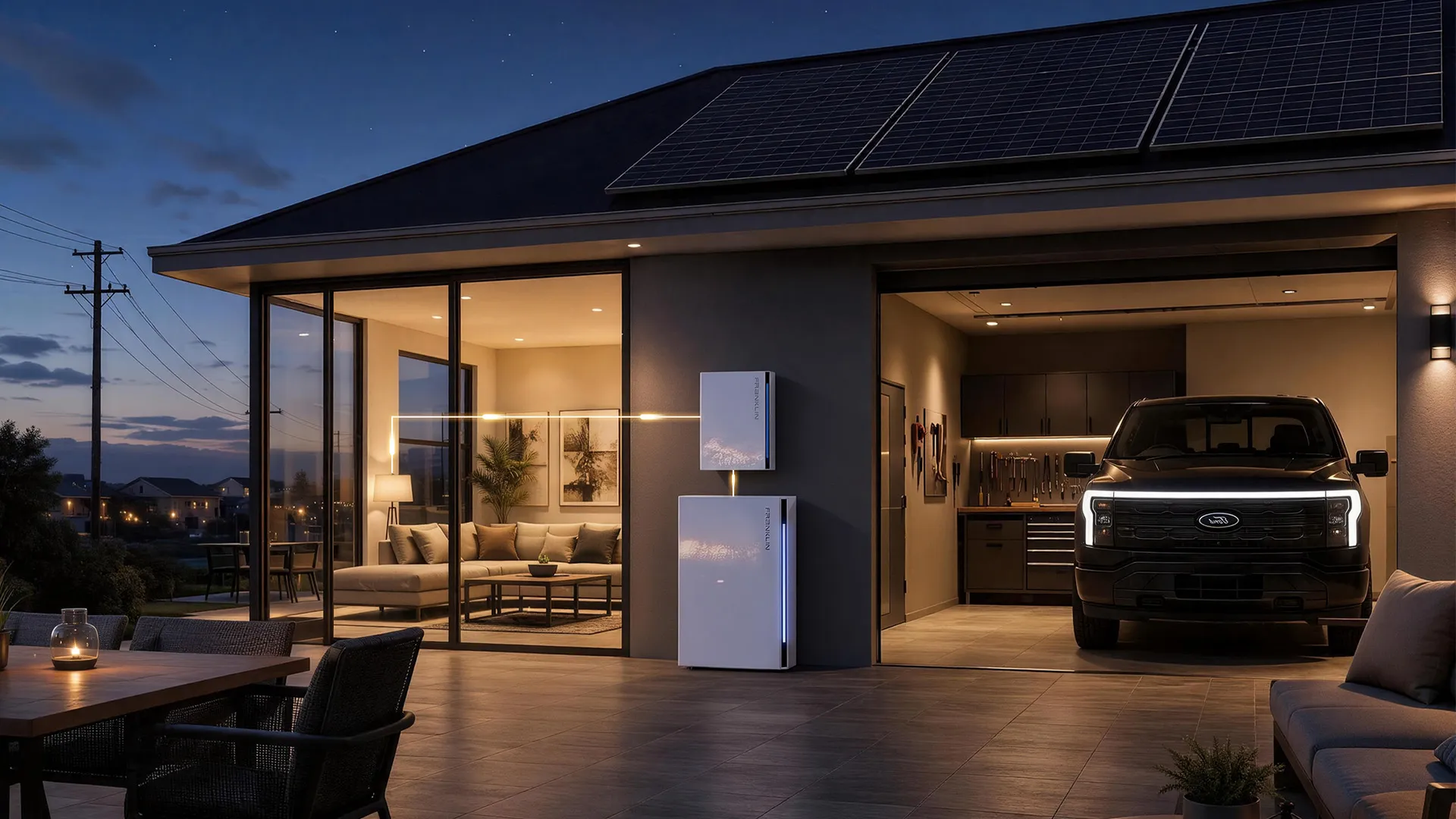
Wildfire-related outages can last for hours or even days due to damaged infrastructure or preventive PSPS. A whole-home power backup solution helps homeowners maintain home power and stay resilient during unexpected disruptions. The FranklinWH System represents the epitome of whole-home backup solutions, with a combination of powerful backup capability, intelligent energy management, and engineered reliability.
- Long-lasting whole-home backup: The scalable 15 kWh aPower battery provides reliable energy storage. With 10 kW continuous output and 15 kW peak output for 10 seconds, it can power not only essential loads but energy-intensive appliances such as a 5-ton A/C.
- Stable, high-quality power: Enterprise-level power quality delivers clean and stable electricity to help protect sensitive electronics and household appliances from power fluctuations.
- Smarter energy management: Intelligent individual load management helps prioritize essential circuits and optimize energy usage, extending backup duration when power is limited.
- Reliable performance in harsh conditions: With a wide operating temperature range of -4° F to 122° F, the system is engineered to perform reliably even in extreme weather conditions.
- Built for long-term reliability: Advanced battery protection technologies, including steel straps to firmly hold battery cells and reduce pack deformation, per-cell temperature monitoring for effective thermal management, and active cell balancing to maintain optimal uniform capacity of all cells over time, all work together to enhance system longevity and reliability.
Learn more about the FranklinWH System by visiting https://www.franklinwh.com/collections/whole-home-battery-backup/
Schedule a free consultation from FranklinWH to get started today!
