


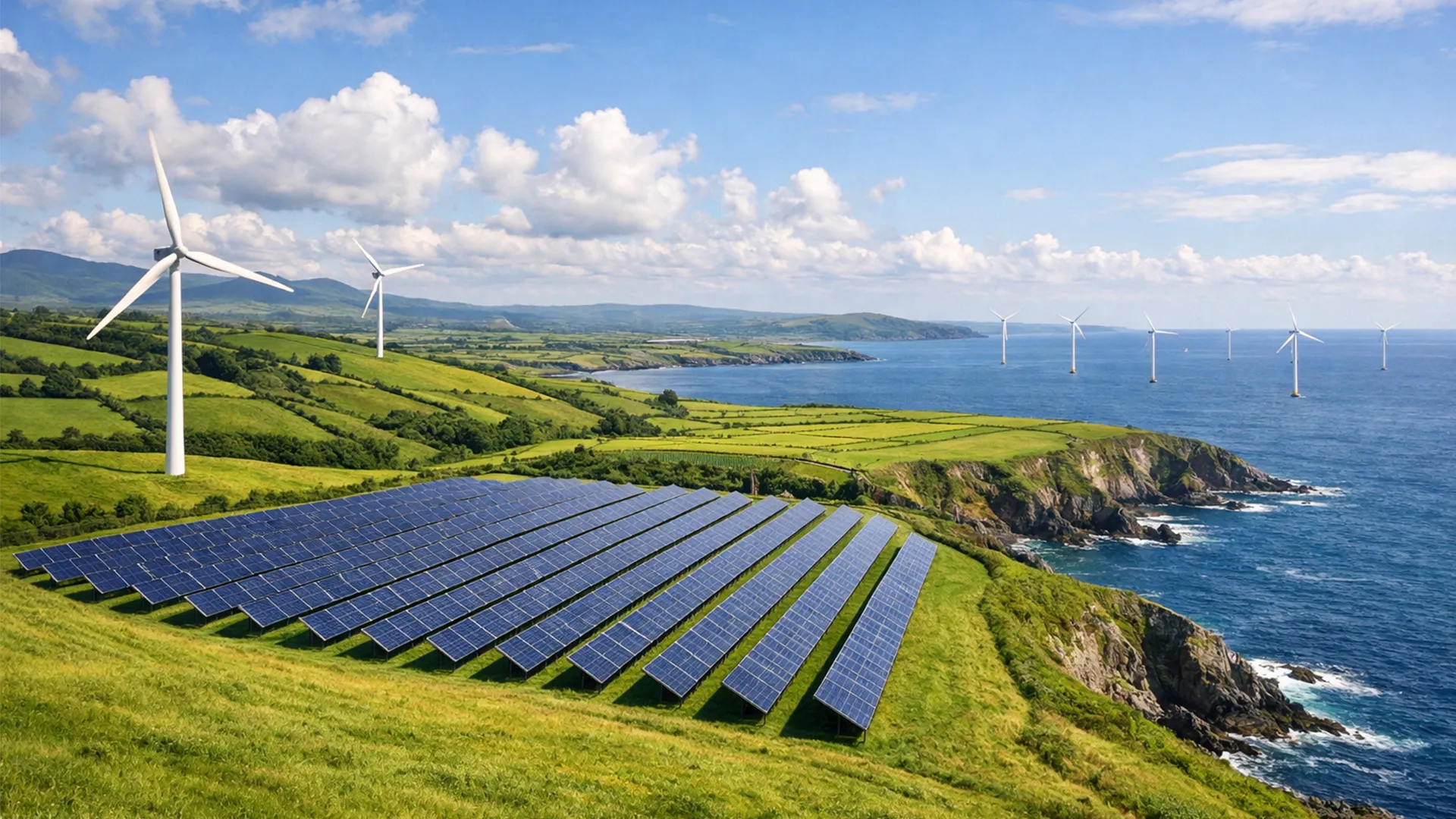
If you’ve been thinking of investing in renewable energy, say, in the form of solar panels or a solar battery, you’re not alone. Many homeowners these days are asking the same question: What are the pros and cons of renewable energy?
Renewable energy is having a real moment. Solar and wind power are growing faster than any other energy source in history, costs are dropping, and the environmental benefits are hard to ignore. However, as a savvy homeowner thinking of a major home investment, you still need to understand the full picture. That means digging into the research about the advantages and disadvantages of renewable energy.
The more you know, the smarter decisions you can make for your budget, home, and environmental goals.
What Is Renewable Energy?
The U.S. Energy Information Administration (EIA) defines renewable energy as energy from sources that are “naturally replenishing but flow-limited.” That’s another way of saying that nature continuously restores them, but that these sources can only produce so much power at a time.
The most common types of renewable energy you’ve probably heard about are:
- Solar: Captures energy from sunlight using panels or thermal systems
- Wind: Uses turbines to convert wind into electricity
- Hydropower: Generates power from flowing water
- Geothermal: Taps heat from beneath the earth’s surface
- Biomass: Produces energy from organic materials, such as wood, crops, and waste
- Biofuels: Converts organic matter into liquid fuel for transportation and heating
Benefits and Drawbacks of Renewable Energy
| Advantages of Renewable Energy | Disadvantages of Renewable Energy |
| Little to no greenhouse gas emissions | Higher upfront costs |
| Lower and falling energy costs | Dependent on weather and time of day |
| Millions of jobs created worldwide | Requires storage or grid balancing solutions |
| Reduces dependence on fossil fuels | Large-scale transition requires massive investment |
| Long-term savings for homeowners | Payback period varies by location and setup |
Advantages of Renewable Energy
When you start looking at the pros and cons of renewable energy resources, the advantages are pretty compelling.
It’s Better for the Planet
This benefit might seem obvious, but it’s worth highlighting. Renewable energy sources, such as solar and wind, emit little to no greenhouse gases during their operation. If you’re looking to shrink your environmental footprint, that can be reason enough to invest in renewables.
It’s Getting More Affordable
The numbers are moving in the right direction for homeowners. On a broader scale, more than 90% of new renewable energy projects are now cheaper than fossil fuel alternatives. But what does that actually mean for your home?
Quite a bit. A typical 6 kW solar panel system can save homeowners around $1,500 per year on their electricity bills. When you add solar battery storage to the mix, you could save an additional $700 to $1,100 per year on top of your existing setup. A battery primarily works by helping you avoid peak-hour rates and maximizing your self-consumption rather than selling the excess energy to the grid.
Batteries also provide a benefit that pure solar doesn’t. Because solar is connected to the main panel, it must shut down during outages for the safety of line workers. A home energy management system separates solar from the grid, so your home remains powered during outages.
Over the long haul, most homeowners save between $55,000 to $75,000 over the 25 to 30-year lifespan of their solar systems. It can be even higher with battery storage. That’s a serious return on investment.
It Creates Jobs
The clean energy sector employs almost 35 million people worldwide, and renewables create about three times as many jobs per dollar invested as fossil fuels. When you choose renewable energy, you support a growing, sustainable economy.
It Reduces Dependence on Imported Fuels
About 80% of the global population lives in countries that are net importers of fossil fuels. Renewable energy helps break that dependence, giving homeowners and nations alike more energy independence and stability.
Disadvantages of Renewable Energy
Though renewable energy has a lot of upsides, that doesn’t mean it’s all rainbows and sunshine the entire time. In order to understand the full benefits and drawbacks of renewable energy, you’ll need to be honest about the challenges, too.
The Upfront Cost Can Be a Barrier
Installing solar panels and battery storage will cost you more than pocket change. In fact, the average solar panel system in the U.S. will initially set you back $30,500 before incentives. If you want to get battery storage, too, you’ll need to add an average of $15,228 to that price tag (before incentives).
Not every homeowner has the finances and time to let their solar panel system recoup its costs through yearly energy savings.
Weather and Time of Day Affect Output
Solar panels need sunlight, and wind turbines need wind. The energy output from renewable sources naturally fluctuates depending on weather conditions and the time of day. That can make it hard for cities and states to fully rely on renewables.
This is also one of the key reasons battery storage is such an important part of a whole-home energy system setup. Excess solar energy production can be stored in a battery, then used in the evenings to offset peak-priced grid usage, increasing the value of solar panels by using their energy even at night.
The Global Transition Requires Massive Investment
On a larger scale, hitting global net-zero targets will require an estimated $4.5 trillion per year in renewable energy investment through 2030. That’s a significant challenge for governments and industries across the world.
How Renewable Energy Compares to Traditional Energy Sources
When you put renewable energy and fossil fuels side by side, the numbers tell a pretty clear story. A 2025 analysis found that utility-scale solar generates electricity at roughly $0.038 to $0.078 per kWh, while natural gas peaker plants (the ones utilities fire up during periods of high demand) can cost $0.138 to $0.26 per kWh. That means traditional energy can cost more than three times as much to generate as solar.
Meanwhile, the power sector remains the largest source of global greenhouse gas emissions. Renewables offer a path to changing that, while also protecting homeowners from rising energy costs.
Is Renewable Energy Worth It for Your Home?
For most homeowners in the U.S., renewable energy offers long-term cost savings, protection from rising utility rates, a lower environmental impact, and more energy independence. In other words, when it comes to the pros and cons of renewable energy, the pros have it.
If you’re thinking of investing in renewables, the key to getting the most out of your investment is pairing solar with a smart whole-home energy management system. The FranklinWH System brings it all together, integrating solar, battery storage, grid energy, and even your electric car into one intelligent platform that optimizes your savings and keeps your home powered through any outage.
Ready to jump on the renewable energy bandwagon and start saving while lowering your carbon footprint? Request a free consultation with FranklinWH today.
