


Clean energy encompasses many types of electricity generation. So, what is clean energy, exactly? It describes electricity creation that doesn’t directly emit greenhouse gases such as carbon dioxide.
Clean energy sources vary, and there is a distinction between them and renewable energy. While all renewable energy is clean, not all clean energy is renewable. The significance of why clean energy is important revolves around the production of electricity without the side effects of traditional energy generation, which harm the environment.
In this article, we’ll explain clean energy, how it works, and its place in the future of energy production.
What Makes Energy “Clean”?
To understand what clean energy is, you’ll need to know what makes it “clean.” To achieve the designation of clean, energy creation does not release greenhouse gases or other pollutants. The energy that these sources yield happens naturally from solar, wind, hydropower, or geothermal.
Here are the specific attributes that clean energy possesses, according to the Institute for Environmental Research and Education (IERE):
- The source is renewable (e.g., solar, hydro, wind, or geothermal).
- Emissions are low or nonexistent.
- These energy systems are sustainable for the long term, which reduces the environmental impact and depletion of resources.
Common Sources of Clean Energy
We’ve briefly touched on clean energy examples. Let’s take a deeper dive into each and how they work.
Solar Power
The sun is the most potent natural energy source. Solar power is the product of the sun’s radiant energy. It’s convertible into electricity via photovoltaic (PV) cells or concentrated solar power (CSP) systems.
PV cells work by transforming sunlight into electricity. This technology is what solar panels use. CSP systems use mirrors to direct sunlight into a receiver. This heats fluid to generate steam or electricity.
For PV, there is a way to store this clean energy generation. A solar battery can do this and then discharge the power as needed. There are various types of batteries to consider. The most common types are lithium-ion or lead-acid.
When evaluating batteries for solar, consider their life, warranty, power capacity, depth of discharge, and round-trip efficiency.
Wind Power
The wind is also a clean energy source. Wind turbines convert the kinetic energy of the wind into electricity. These turbines usually group together to create wind farms. They are most dominant in areas that see consistent, strong winds.
Hydropower
The movement of water is another example of clean energy. In most cases, hydropower is the product of dam building that then creates reservoirs. The force of the water flowing down some time of descent rotates a turbine that activates a generator, producing energy.
Newer options of hydropower are also emerging, such as run-of-river. In this model, the natural flow of a river can produce power and doesn’t require water storage. It’s more environmentally friendly than dams and doesn’t disrupt the local ecosystems.
Geothermal
The Earth’s internal heat powers geothermal energy. The heat comes from the molten core. It can generate electricity in a few ways. There are geothermal power plants that use steam from reservoirs located underground to drive turbines.
Geothermal is less common than solar, wind, or hydro. It’s completely carbon-free. As the demand for energy increases, geothermal has value in becoming an alternative. It has advantages, including:
- It can provide 24/7 baseload energy, which contributes to energy resiliencye.
- It doesn’t rely on turbines or panels.
Why Clean Energy Is Essential for the Planet
Clean energy supports a healthy planet. Since it does not give off greenhouse gases or other pollutants, it does not disrupt the environment the way that fossil fuels do, which are a leading cause of climate change.
Greenhouse gases refer to gases that trap heat in the Earth's atmosphere. The more it is released, the more CO2 levels rise. That’s dangerous for the planet. A direct effect of this is global warming, wherein the overall temperature increases.
With no harmful emissions, air and water pollution decrease, as well. Natural resources like this need protection from energy production that’s harmful. Air quality improvement is good for the planet and us, as it can cause respiratory illnesses.
In addition to the environmental benefits, clean energy benefits us all in other ways. It enables a way to be energy independent because of the diversification of sources. Fossil fuels are finite within the human timespan, but solar, wind, hydropower, and geothermal are not.
Other advantages include long-term cost savings, which are essential, as energy prices have grown higher. The costs associated with oil and coal include extraction and transportation, which don’t apply to clean energy. Clean energy also has benefits as a job creator, with skilled workers needed to develop, manufacture, and install it.
The Role of Clean Energy in Modern Homes
Clean energy plays a key role in overall home energy management (HEM). HEM involves optimizing energy usage for efficiency. It’s a complete system that uses smart meters, smart home systems, and sensors.
When energy generation comes from clean sources, HEM can depend on it instead of fossil fuels. There’s also the ability to store clean energy through home battery systems. Their installation supports a net-zero home.
Net-zero means a home produces more energy through clean options than it consumes. The linking of clean energy and storage is crucial in achieving this. When homes have a solution in place, they’ll benefit from lower costs, reduce environmental impacts, and be more resilient in times of blackouts or energy crises.
Building a Sustainable Future with Clean Energy
Now that you understand the nuances of what clean energy is and why it matters, you can see how it contributes to long-term sustainability. Clean energy generation provides a more reliable future for residential and commercial spaces.
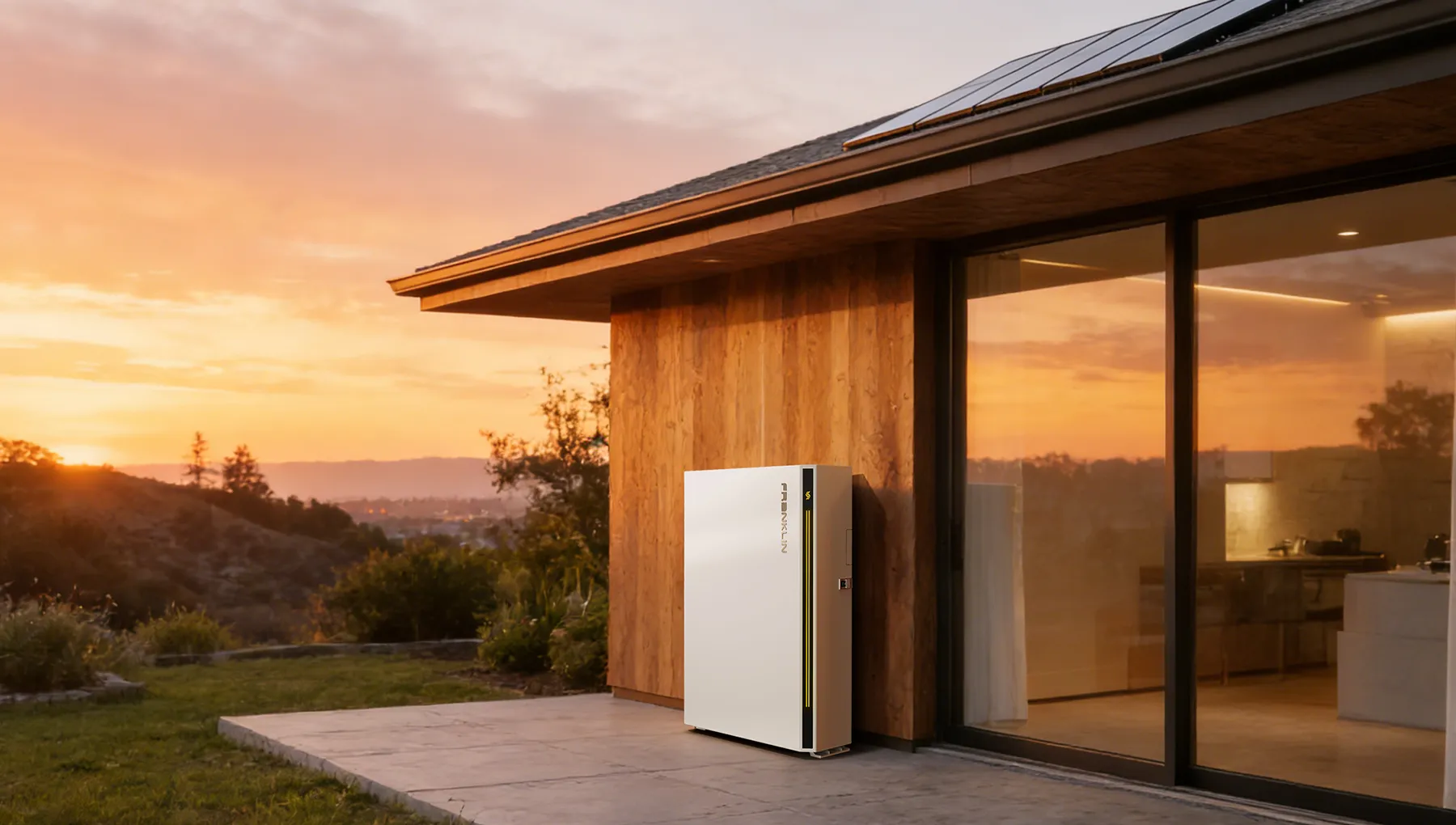
Clean energy improves efficiency and sustainability most directly when battery storage systems are in use. You’ll find that the FranklinWH System is a whole-home energy management and battery storage solution. It addresses capacity and reliability.
For more information on our solutions, contact our energy experts today.
