


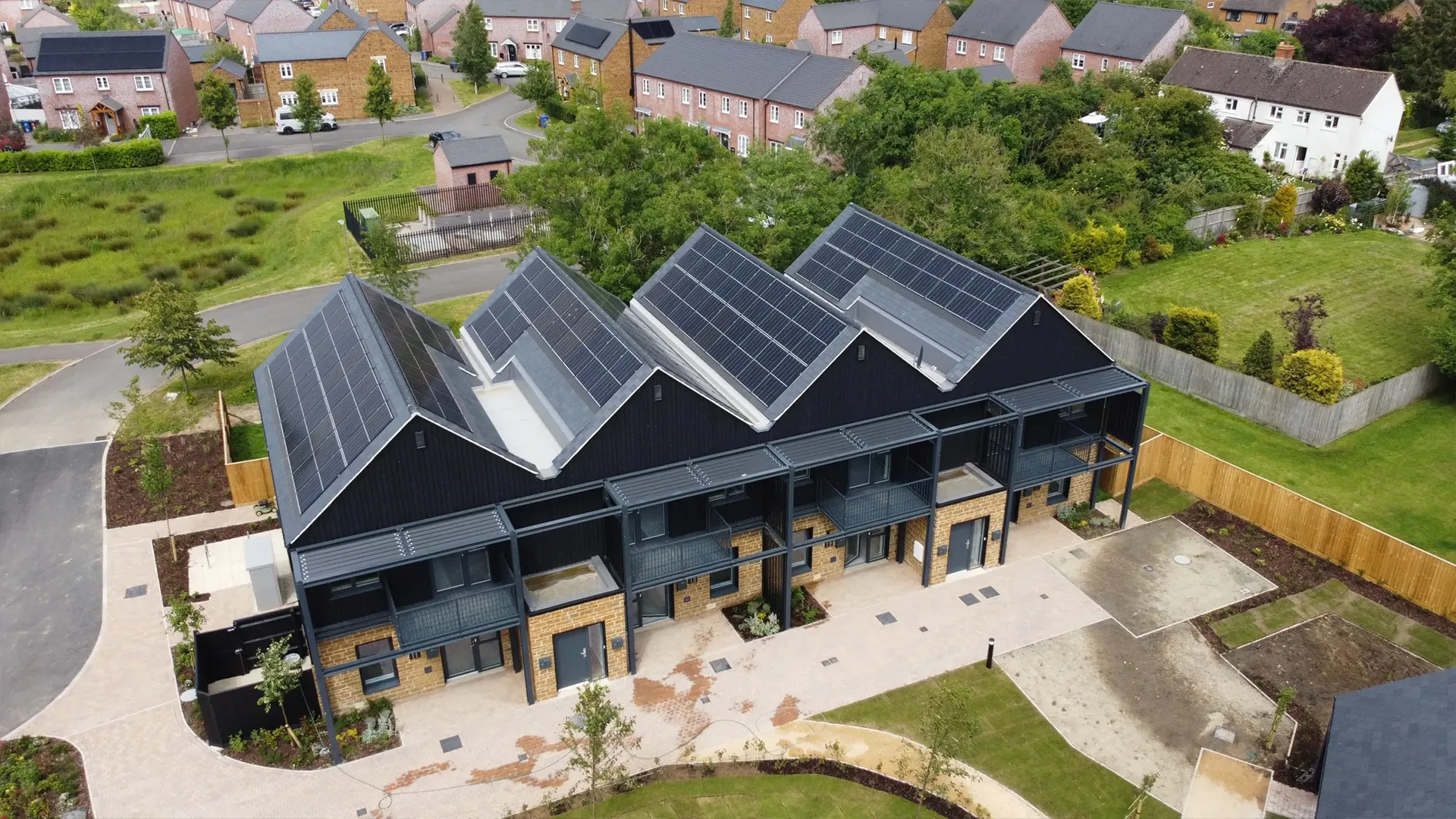
Feel like your electricity bill just keeps climbing? You’re not imagining it. Your bill is likely heftier than ever, with the average cost jumping 5% for U.S. households last year. Residents of some states are even facing double-digit spikes as utilities upgrade aging infrastructure to support population growth while energy demands continue to climb. (We’re looking at you, Indiana and Tennessee.) If your wallet is hurting every time the electric bill lands in your mailbox or email, you might be wondering: Is solar worth it?
For many homeowners, the answer is yes. Given enough time, the savings you earn from your solar panel array will make up for your initial investment. However, solar isn’t one-size-fits-all. Figuring out whether solar power is worth it for you will depend on your specific circumstances.
How Much Do Solar Panels Cost?
Should I get solar panels? It’s a question many homeowners are asking these days. To answer that question, you’ll first need to understand how much a solar panel system will cost you.
According to a survey by This Old House, the average price of a professionally installed solar panel is $1,200. Most homeowners need to install 20 to 30 panels to cover all their energy usage, bringing the system price tag to $24,000 to $36,000 before incentives.
However, these numbers are just averages. Some of the key factors that will determine the cost of your solar panel pricing include:
- Energy usage: The more energy your household uses, the more solar panels you’ll need. Electric cars, heated pools, and lots of air conditioning to cool a large house can all spike the number of kilowatt hours (kWh) of electricity your house uses each month.
- Location: If you live in a state with less consistent sunlight, you’ll need additional panels to generate the same amount of energy as a house in a sunnier state.
- Your roof: South-facing roofs are the jackpot when it comes to capturing the most sunlight during the day. West and east-facing roofs can also get the job done, but are generally less efficient.
- Equipment: Premium solar panels can produce more watts of electricity but often come at a premium cost. Today’s residential panels top out around 500 watts, while average-priced panels will give you between 400 and 450 watts.
- Shade: Tree branches and nearby buildings can cast shade on your roof, reducing your solar panels' output and requiring you to purchase more panels.
Don’t just default to the averages. Use a solar panel calculator to get a ballpark number for how much a system will cost you. Better yet, reach out to several highly rated solar installers in your area for personalized quotes.
Once you have a price for your solar panel system, you’ll be a lot closer to answering the question: Is solar power worth it?
When Will Solar Panels Be Worth It?
Writing a check for a $30,000 solar panel system is no small investment. However, as long as the system eventually pays for itself, it can be the right financial move.
How do you know if your solar panels will eventually save you money? The formula is relatively straightforward. Just divide the cost of your total system (after incentives and rebates) by your annual electricity savings.
Here’s what that could look like:
- The solar panel system cost would be $24,000 after incentives
- Average utility saving coming from solar is $200 a month on electricity ($2,400 a year)
- $24,000 / $2,400 = 10 years until you break even on your solar panel system
The average homeowner breaks even on their solar investment in about 10.5 years, depending on your electric bill, installation costs, energy usage, and the rebates and incentives available in your area. That number will likely go down in the future as energy costs continue to rise at a fast pace.
So, is getting solar panels worth it? Solar panels typically last 25 to 30 years. Even after this point, they can still produce electricity, though at a reduced output. That means that if your system follows the average and breaks even at 10.5 years, you’ll have 14 - 19 years of energy savings ahead of you. No wonder EnergySage found that the average homeowner will save anywhere between $37,000 to $148,000 over the life of their solar panel system!
If you live in a state with high energy rates, use a lot of energy in your household, and plan on staying put in your home for at least 10 years, you’re a good candidate for saving big on solar. Just keep in mind that your break-even period may be a little longer if you take out a loan for your system and have to pay interest on top of your monthly payments.
The Other Benefits of Solar Panels
Of course, the biggest draw of solar panels for most homeowners is the cost savings. After all, who wouldn’t want to save $100k or more over the life of their system? But solar panel benefits extend beyond just more cash in your pocket.
Environmental Impact
If you’re looking to lower your environmental footprint, solar panels can be a big boost to your efforts. Solar panels generate clean, renewable energy. By choosing solar, you’ll contribute to cleaner air in your community and help combat climate change.
Increased Home Value
The next buyers of your home don’t want to pay huge energy bills any more than you do, which is why you can sell your home for more when you’re sporting solar panels on your roof. According to Zillow, homes with solar panel systems sold for 4.1% more on average than comparable homes without solar power. If your home is worth $500,000, solar panels could add $20,500 to your sales price.
Comprehensive Energy Systems
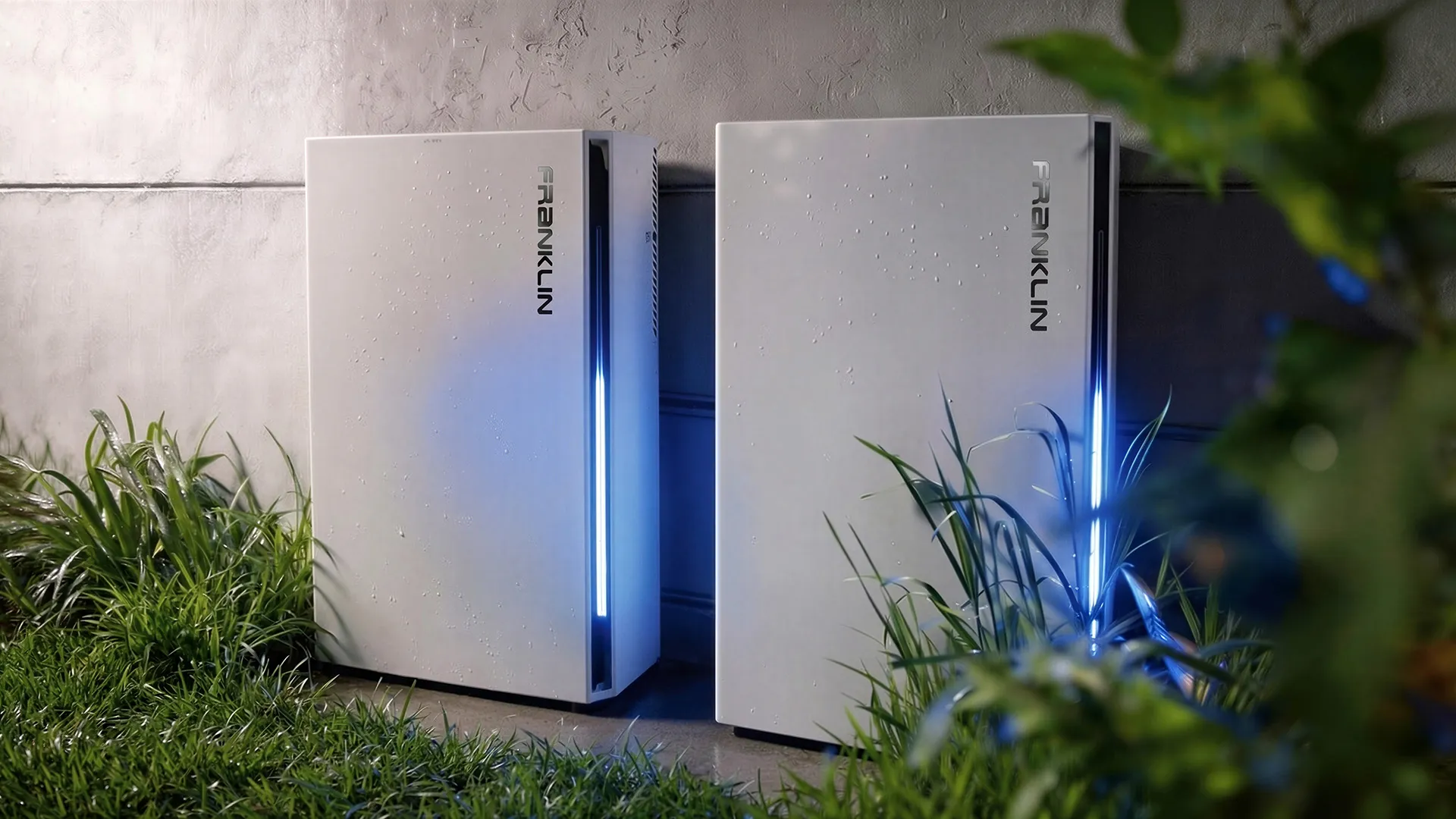
Solar panels can be the first step in designing a whole-home energy management system. Pairing solar with a battery storage system and a smart-energy controller will allow you to maximize your energy independence and could further reduce your reliance on the grid. The more energy prices rise, the more you’ll save with your system.
Deciding If Solar Power Is Worth the Investment
So, is solar power worth it for you? Start by considering these questions:
- Are your electricity bills high and getting higher?
- Does your roof get good sunlight with minimal shade?
- Do you plan on staying in your home for at least 10 years?
- Are there local incentives available for installing solar?
If you answered “yes” to most of these questions, then solar is probably the right choice for you.
If you do decide to invest in solar, this might also be the right time to install a whole-home energy management system while you’re at it. The FranklinWH System integrates solar, battery storage, grid power, and intelligent energy management to give you the highest savings possible on your energy bills while also giving you reliable power during outages.
Want to learn more? Request a no-pressure consultation today.
