


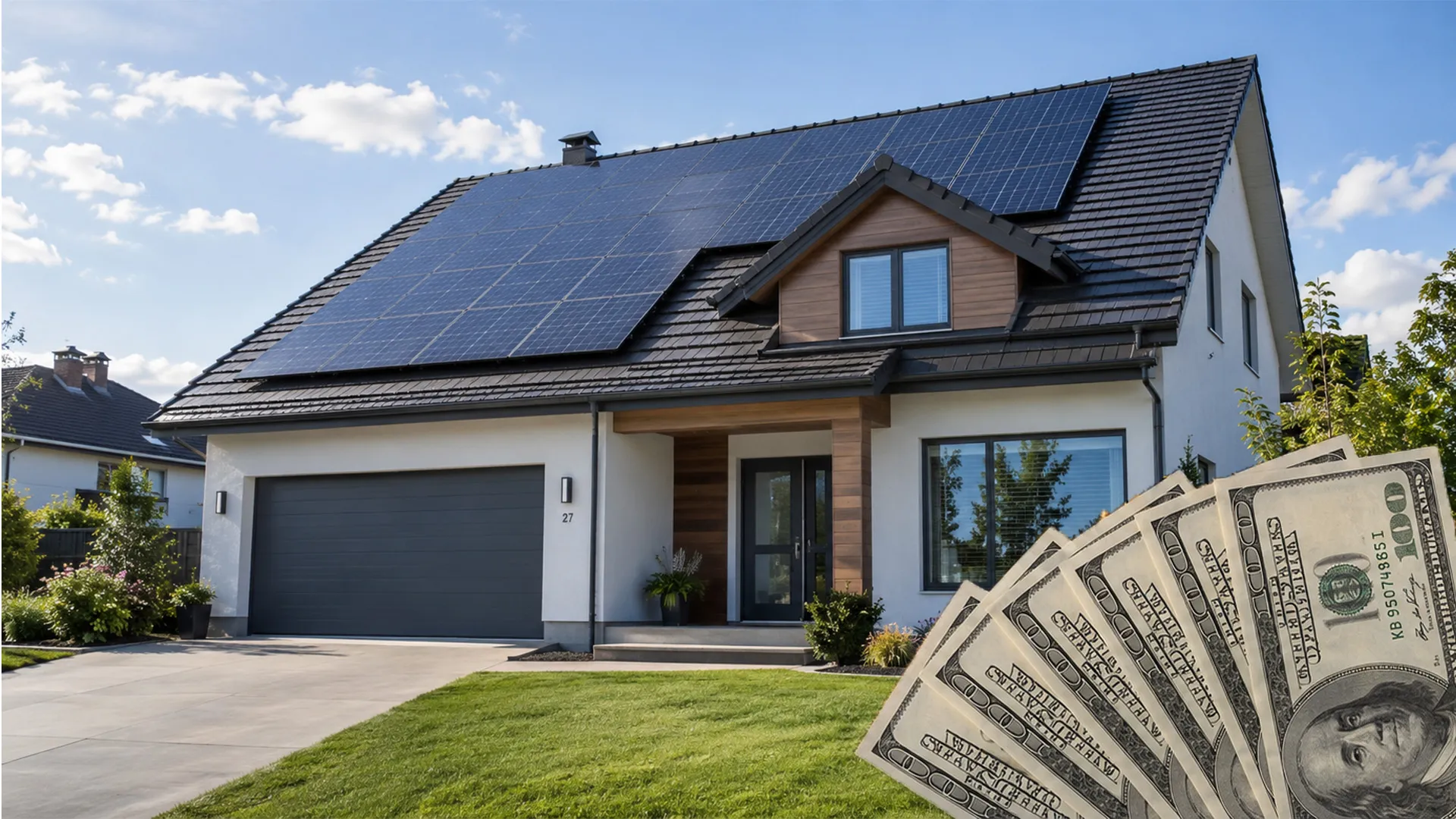
The Property Assessed Clean Energy (PACE) is a financing program available in certain U.S. states that helps property owners fund eligible energy upgrades, such as solar, battery storage, and efficiency improvements, without paying the full upfront cost. Unlike traditional financing, PACE is typically repaid through a special assessment added to the property tax bill over time.
Residential PACE availability varies by location, as programs must be authorized at the state level and established locally. Currently, only a limited number of states, including California, Florida, and Missouri, offer residential PACE programs.
This guide explains how PACE repayment works, residential availability and eligibility, the potential benefits and risks, and how home energy management and battery storage systems fit into PACE-financed projects.
What the PACE Program Actually Is
PACE is a property-based financing structure designed to support investments in building improvements that can reduce energy use, improve efficiency, and increase resiliency. Rather than evaluating the owner’s credit history, PACE approval is tied to the property and the improvement project itself.
A PACE agreement creates a voluntary assessment on the property, which functions as a lien recorded against the property. The assessment is attached to the property rather than being a personal debt in the traditional sense.
Before approval, PACE providers typically review factors such as project eligibility, property qualifications, improvement costs, and the owner’s ability to meet repayment requirements. PACE financing can often cover 100% of eligible project upfront costs, with repayment made over time through a property assessment. Terms are typically structured with a fixed interest rate and repayment periods commonly ranging from 10 to 30 years, depending on the program and agreement.
What Energy Updates Qualify for the Program
PACE financing can support a range of permanently installed upgrades. Eligible improvements vary by location and program rules, but commonly include:
- Solar energy systems.
- Home energy management and battery storage systems that improve energy resiliency and optimize energy use.
- Energy efficiency upgrades, such as HVAC systems, insulation, windows, and efficient lighting.
- Electric vehicle charging infrastructure and other electrification improvements.
- Water efficiency and resiliency upgrades.
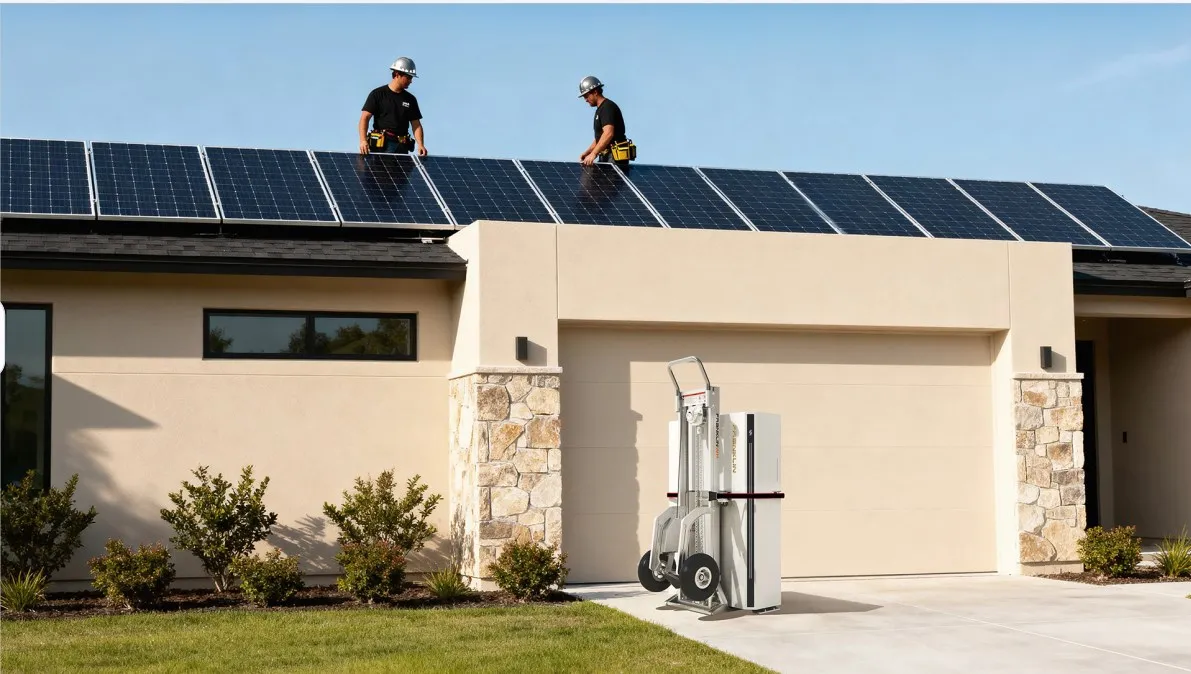
Availability and Eligibility of Residential PACE
Residential PACE (R-PACE) is not available nationwide. It depends on state authorization and whether a local PACE program operates in the area. Currently, active residential PACE programs are available in a limited number of states, including California, Florida, and Missouri.
- Eligible properties: Privately owned residential properties, such as single-family homes, depending on local program rules.
- Qualified improvements: Approved energy, efficiency, renewable energy, or resiliency upgrades.
- Property eligibility: Applicants typically need to have current mortgage and property tax payments and meet local program requirements.
PACE Financing After a Property Sale or Missed Payments
Because PACE financing is attached to the property rather than the homeowner, the remaining assessment may stay with the property after a sale, depending on local rules and the agreement terms. However, an unpaid PACE assessment may complicate future sales or refinancing, as some mortgage lenders may have additional requirements or restrictions for properties with existing PACE obligations.
If a homeowner fails to repay the PACE assessment, the unpaid amount may become a delinquent property-related obligation, potentially resulting in penalties, collection actions, or other enforcement measures. In some jurisdictions, a PACE lien may also have priority over a mortgage lien during foreclosure. This is also why mortgage lenders have raised concerns about some PACE structures.
Evaluate the Program Benefits and Risks
PACE financing can help homeowners fund energy upgrades with less upfront cost, but it also creates a long-term property-related obligation. Key benefits include:
- Lower upfront costs: PACE can cover eligible project upfront expenses, allowing homeowners to install upgrades without paying the full cost immediately.
- Longer repayment terms: Payments can be spread over years, making larger energy projects easier to budget for.
However, homeowners should also consider potential risks:
- Higher property-related payments: PACE repayments are added to property tax bills and include an interest rate, with typically 6%-10%, increasing the homeowner’s ongoing expenses.
- Impact on selling or refinancing: The Federal Housing Administration (FHA) has restrictions on insuring mortgages for properties with certain PACE lien structures, especially when a PACE lien could take priority over an FHA-insured mortgage, creating hurdles for homeowners when refinancing or selling a property.
- Unpredictable savings: Expected energy savings or property value increases may vary depending on the project, location, and actual performance
Using PACE Financing for Home Energy Management and Battery Storage Systems
Home energy management and battery storage systems can fit into PACE financing when they qualify as eligible energy or resilience improvements under local program rules. These systems can help homeowners maximize solar self-consumption, optimize electricity use, and enhance backup power capabilities, making them eligible components of broader PACE-financed energy upgrade projects.
Is PACE Financing Right for You?
PACE financing may make the most sense for homeowners who:
- Want energy upgrades without high upfront costs and prefer spreading payments over time.
- Plan to stay in the property long enough to benefit from energy savings, resilience, or improved energy management.
- PACE may make less sense for homeowners who:
- Plan to sell or refinance soon, as existing PACE obligations may create lender requirements or transaction challenges.
- Cannot comfortably manage long-term repayment, including interest, fees, and property assessment payments.
Before signing a PACE agreement, homeowners should evaluate the total repayment amount, terms, and whether the expected benefits justify the cost. Homeowners typically apply through an approved PACE provider, which reviews the project’s eligibility before financing is approved.
How the FranklinWH System Maximizes the Value of the PACE Program
The FranklinWH System is a premium home energy management and battery storage solution that generates long-term energy savings throughout its 15-year or 60 MWh throughput battery warranty. Based on simulations using PG&E’s 2025 electricity rates, a 9% annual utility-rate increase, and a 9% discount rate, the system can produce estimated savings* of up to $1,853 in the first year, growing to $6,193 by year 15.
With PACE financing, homeowners do not need to wait for savings to recover the upfront cost. The FranklinWH System’s annual savings can help offset PACE repayments while generating substantial additional long-term savings.
*Actual savings may vary depending on system capacity, location, incentives, electricity rates, and household energy use.
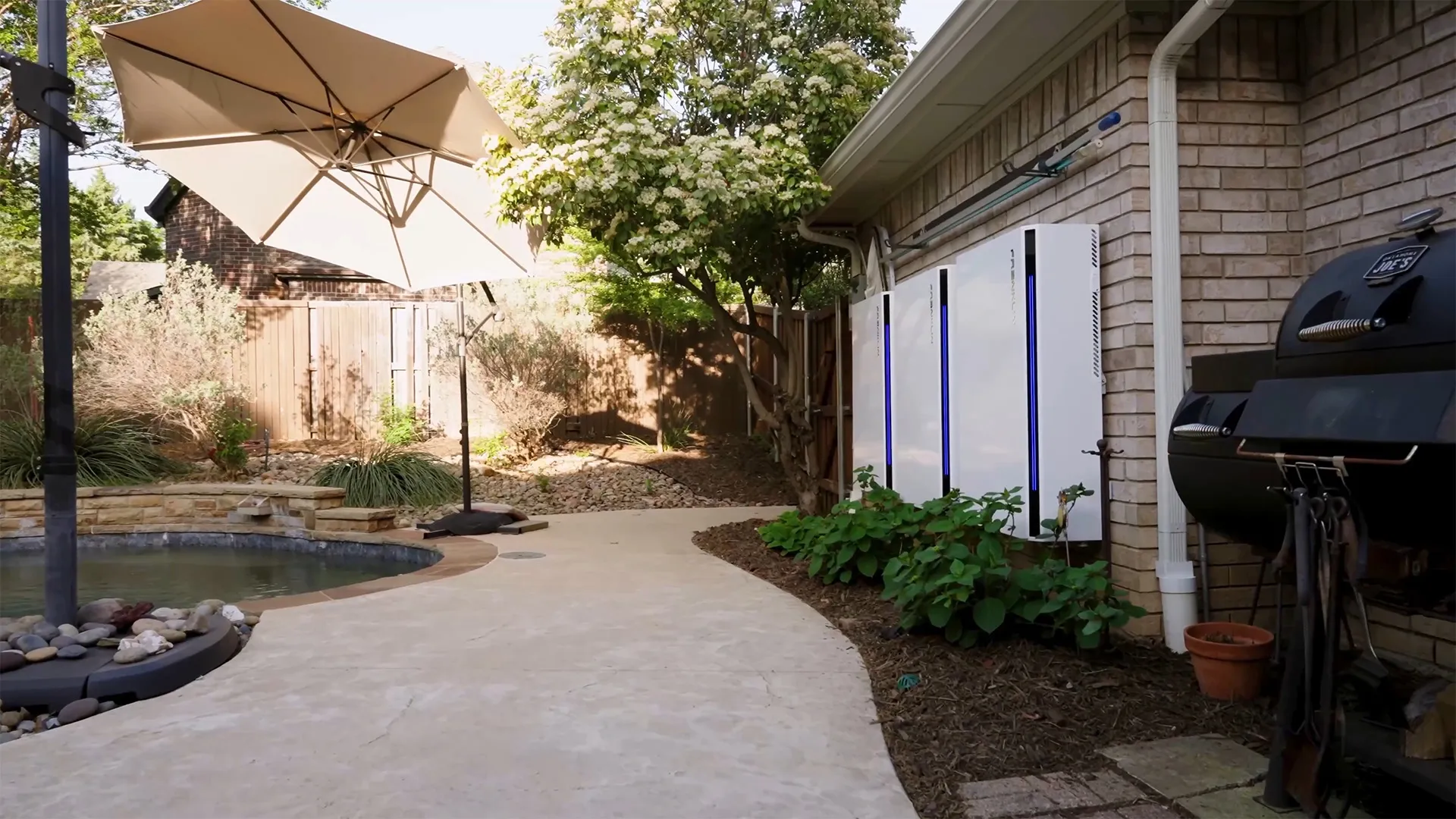
Schedule a free consultation with FranklinWH to start your savings journey.
