


Winter often brings higher electricity bills as temperatures drop and households use more energy to stay warm. For homeowners who rely on electric heating, the impact can be particularly noticeable. Heating systems must work harder and run longer to maintain comfortable indoor temperatures, driving up electricity consumption and monthly costs. Poor insulation, air leaks, and rising electricity rates can add further to the expense.
Fortunately, staying warm doesn't have to mean paying more than necessary. By improving home energy efficiency, making smarter adjustments to daily energy habits, and adopting intelligent home energy management and battery storage solutions, homeowners can significantly reduce electricity consumption and lower their winter bills without sacrificing comfort. This guide explores practical ways to save on electricity throughout the colder months.
Adjust Your Thermostat Settings
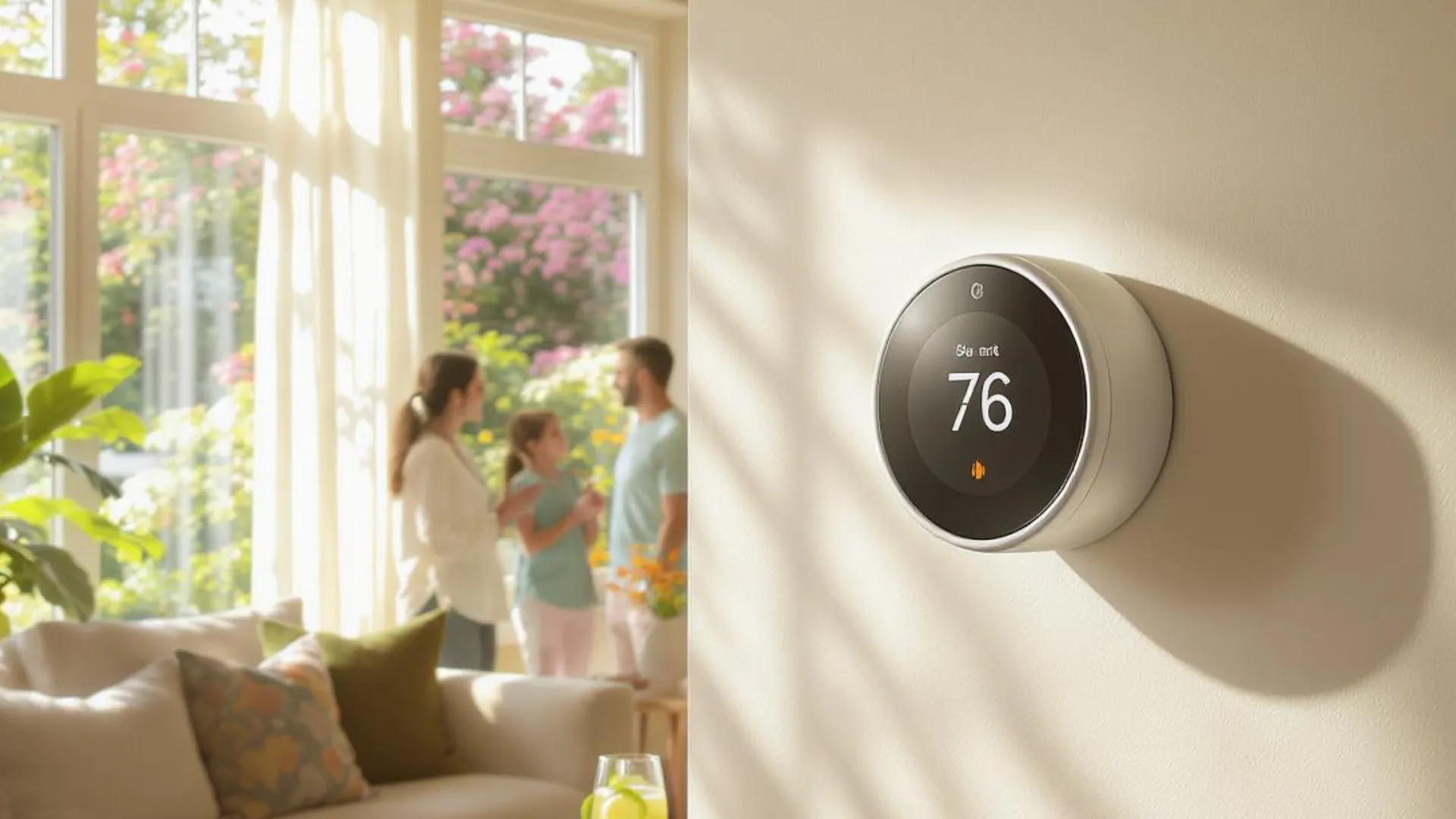
Adjusting your thermostat is one of the simplest ways to reduce winter heating costs. According to the U.S. Department of Energy, lowering your thermostat by 7–10°F for eight hours a day can save up to 10% annually on heating and cooling. Consider turning down the temperature while sleeping or away from home to reduce unnecessary heating.
Programmable or smart thermostats make this easier by automatically adjusting temperatures based on your schedule. Some smart models can even learn your preferences, adjusting heating when you're away and restoring a comfortable temperature before you return home.
Keep in mind that thermostat strategies vary by heating system. Conventional systems generally benefit from scheduled temperature setbacks. For heat pumps, however, large setbacks may trigger energy-intensive auxiliary heating when the temperature is raised again, so use a compatible thermostat with appropriate setback controls to maximize savings.
Regardless of your system type, remember, never interpret thermostat setbacks as encouragement to lower temperatures excessively, since that may increase the risk of hypothermia.
Seal Air Leaks and Improve Home Insulation
Air leaks and poor insulation allow warm air to escape and cold air to enter, forcing your heating system to work harder. According to the U.S. Department of Energy, sealing air leaks can save 10%–20% on heating and cooling bills. Below are practical ways to keep your home warmer and reduce energy waste.
- Apply Weatherstripping: Install weatherstripping around doors and operable windows to block drafts and prevent heated air from escaping.
- Seal Cracks and Gaps: Use caulk to seal small cracks around window frames, door frames, and other stationary surfaces where air can leak.
- Upgrade Home Insulation: Check insulation in your attic, walls, and floors, and add or replace it where necessary to reduce heat loss and improve indoor comfort.
- Use Curtains Strategically: Open curtains on sunny days to let natural sunlight warm your home, then close them at night to help retain heat indoors.
Reduce Electricity Costs from Everyday Energy Habits
Small changes to your daily energy habits can add up to a good amount of savings on winter electricity bills.
- Switch to LED Lighting: Shorter winter days mean more lighting use. Replace incandescent bulbs with energy-efficient LEDs, which use up to 90% less electricity.
- Wash Clothes in Cold Water: Choose cold water washing when suitable to reduce the energy needed to heat water.
- Run Full Loads: Run dishwashers and washing machines with full loads to minimize unnecessary water and energy consumption.
- Reduce Standby Power Consumption: Unplug unused electronics and chargers or use smart power strips to prevent unnecessary electricity use.
- Maintain Your Heating System: Regularly clean or replace air filters, keep vents clear, and schedule maintenance to improve heating efficiency.
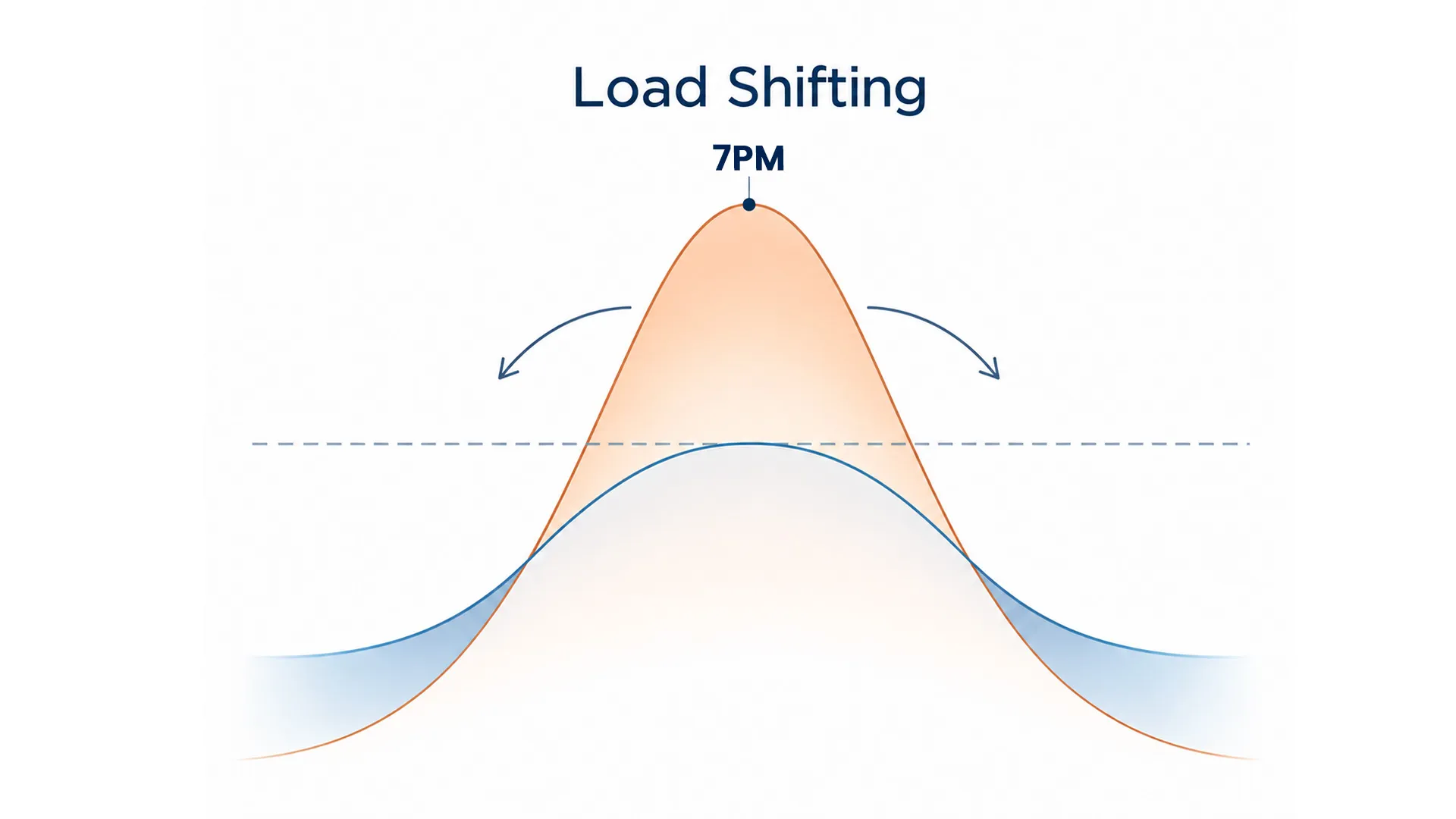
- Shift Energy-Intensive Loads to Off-Peak Hours: If you're on a time-of-use (TOU) plan, schedule heavy-duty activities such as EV charging and electric water heating during lower-rate periods to reduce electricity costs.
Bigger Home Energy Upgrades
If simple, low-cost measures deliver limited savings, consider larger home upgrades to improve energy efficiency and reduce electricity expenses over time.
Replace Old Thermostats or Appliances with the Latest Models
Outdated thermostats and inefficient appliances can contribute to higher electricity bills. Upgrading to energy-efficient models can reduce energy consumption without sacrificing comfort.
For example, ENERGY STAR-certified smart thermostats automatically adjust heating based on your schedule and preferences, saving households an average of 8% on annual heating and cooling costs, or about $50 per year.
Similarly, replacing aging refrigerators, washing machines, and dryers with ENERGY STAR-certified models can further reduce electricity use. Prioritize appliances with the highest energy consumption to maximize potential savings.
Consider a Home Energy Management and Battery Storage System
For homeowners looking to achieve greater long-term electricity savings, investing in a home energy management and battery storage system can be a worthwhile option. By storing excess solar energy and cheap electricity drawn during off-peak hours for later use, these systems can help maximize energy savings.
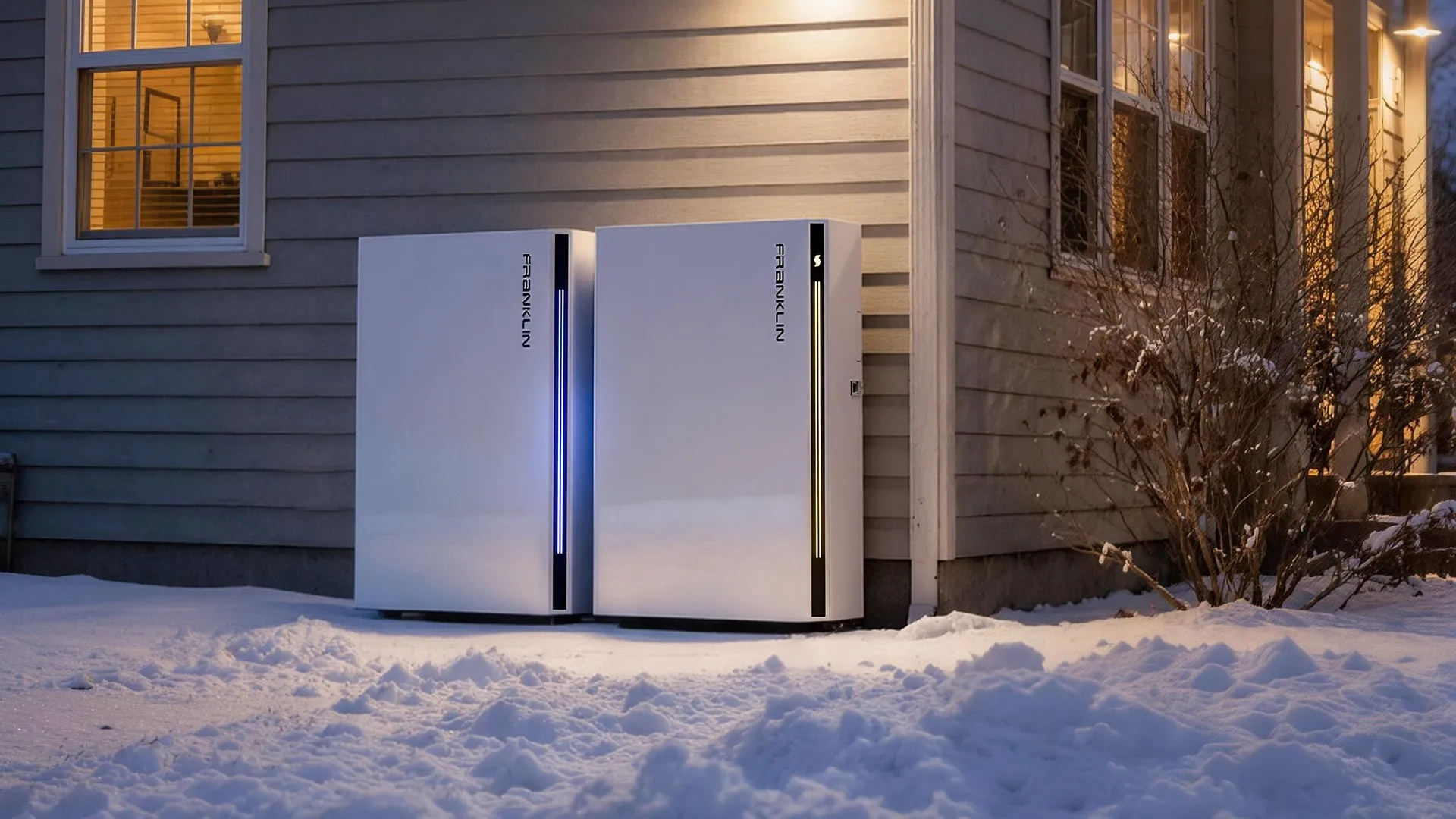
The FranklinWH System sets a new standard for home energy management and battery storage solutions.
By intelligently analyzing solar generation, electricity tariffs, household energy usage patterns, and current battery reserve, the system dynamically optimizes when to charge, discharge, or hold battery energy. This helps maximize self-generated solar consumption and enable multi-tier energy arbitrage, producing the highest potential energy savings.
Conclusion
Lowering your winter electricity bill comes down to a combination of tactical use of your heating system, insulation improvements, little changes of lifestyles, and home energy upgrades. Simple steps such as adjusting thermostat schedules, sealing air leaks, and shifting power use to off-peak hours can yield immediate savings without sacrificing comfort.
For maximum long-term savings, an intelligent home energy solution such as the FranklinWH System features strategic battery operation, optimizing solar usage to its fullest potential, capturing any opportunity for energy arbitrage, and protecting your home against rising seasonal utility rates.
