


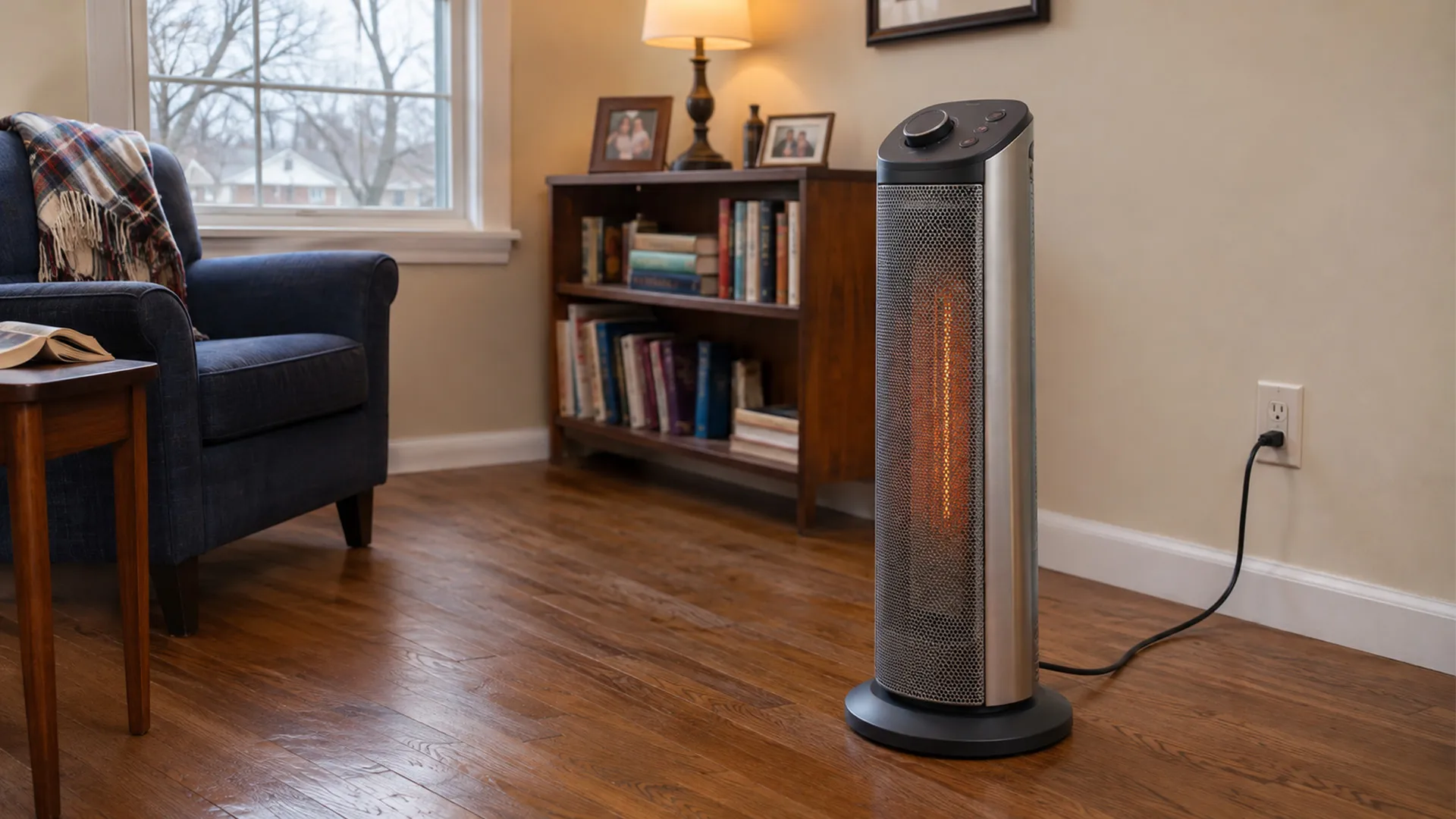
As temperatures drop, many homeowners turn to space heaters for extra warmth. These compact, portable heating devices provide targeted heating for individual rooms or areas, making them a convenient supplement to central heating systems.
However, despite their small size, electric space heaters can consume substantial amounts of electricity, especially when operated for extended periods. Frequent use can significantly increase household electricity consumption and monthly energy bills. Understanding how much electricity a space heater uses and what affects its operating costs can help homeowners stay warm while managing winter energy expenses.
Estimates of Electricity Costs of Space Heaters
A space heater's electricity consumption primarily depends on its rated wattage and operating hours. Most portable residential electric space heaters are rated at 750–1,500 W and run on standard 120 V household outlets in the U.S.
Homeowners can estimate their electricity costs using the following formula:
Costs = {(Wattage × Hours Used) / 1,000)} × Electricity Rates
For example, a 1,500 W space heater running continuously for eight hours daily at $0.18/kWh consumes 12 kWh per day, costing approximately $2.16 daily or $64.80 over 30 days.
The table below compares estimated costs for different heater wattages under the same conditions.
| Heater Wattage | Daily Usage (8 Hours) | Daily Cost | Monthly Cost (30 Days) |
| 750 W | 6 kWh | $1.08 | $32.40 |
| 1,000 W | 8 kWh | $1.44 | $43.20 |
| 1,500 W | 12 kWh | $2.16 | $64.8 |
What Factors Affect Space Heater Electricity Consumption?
Your actual electricity consumption can differ from estimates based on rated wattage, depending on several factors:
- Wattage and Heating Settings: Higher power settings consume more electricity, while lower settings reduce consumption.
- Operating Hours and Thermostat Cycling: Longer operating hours increase electricity use. Heaters with built-in thermostats can automatically cycle their heating elements on and off to maintain the desired temperature.
- Room Size and Insulation: Larger rooms, poor insulation, and air leaks increase heating demand and may extend runtime.
- Outdoor Temperature: Colder weather increases indoor heat loss, requiring more frequent heating.
- Heater Type and Heat Distribution: Ceramic heaters warm the air, oil-filled heaters release heat gradually, and infrared heaters warm people and objects directly. These differences affect the ultimate runtime needed, though electricity use is similar at the same wattage and runtime.

Are Space Heaters More Energy-Efficient Than Other Types of Heaters?
Heating efficiency depends largely on the technology used. Although heaters come in different types and models, most electric heating systems rely on one of the two major technologies: electric resistance heating or heat pumps.
| Heating Technology | Common Heater Types | How They Work |
| Electric resistance | Ceramic, oil-filled, and infrared space heaters; electric furnaces; radiant floor, and baseboard heaters | Convert electricity directly into heat, distributed through convection, radiation, or forced air |
| Heat pumps | Central air-source heat pumps, ductless mini-splits, and geothermal heat pumps | Transfer heat from outdoor air or the ground into the home |
Electric resistance heaters convert essentially 100% of their electrical input into heat at the point of use, regardless of the model. For example, a 1,500 W ceramic heater and a 1,500 W oil-filled heater consume approximately the same electricity at full power with the same hours used. However, differences in heat distribution, controls, and operating patterns can affect actual consumption.
Heat pumps operate differently. By transferring rather than generating heat, they can deliver two to four times as much heat as the electricity they consume, depending on operating conditions. According to the U.S. Department of Energy, modern air-source heat pumps can reduce electricity consumption for heating by up to 65% compared with electric resistance heating.
Nevertheless, using a space heater to warm one occupied room may cost less than heating an entire home, particularly when central heating is reduced accordingly. Simply adding a space heater without reducing central heating demand generally increases total household electricity consumption.
How to Reduce Space Heater Electricity Costs
Homeowners can lower space heater electricity costs through smarter heating habits, improved energy efficiency, and intelligent home energy management.
- Choose the Right Heater Size: Match the heater's wattage and heating capacity to the room size to avoid unnecessary electricity consumption.
- Use Thermostat and Power Settings Wisely: Select a comfortable temperature and use lower power settings when they are sufficient to maintain warmth.
- Limit Heating to Occupied Spaces: Focus supplemental heating on occupied rooms rather than heating unused areas.
- Improve Insulation and Seal Air Leaks: Seal gaps around windows and doors and improve insulation to reduce heat loss and heating demand.
- Take Advantage of Off-Peak Electricity Rates: If you are under time-of-use (TOU) electricity plans, use the space heater during off-peak hours when the price is lower.
Consider an Intelligent Home Energy Management and Battery Storage Solution
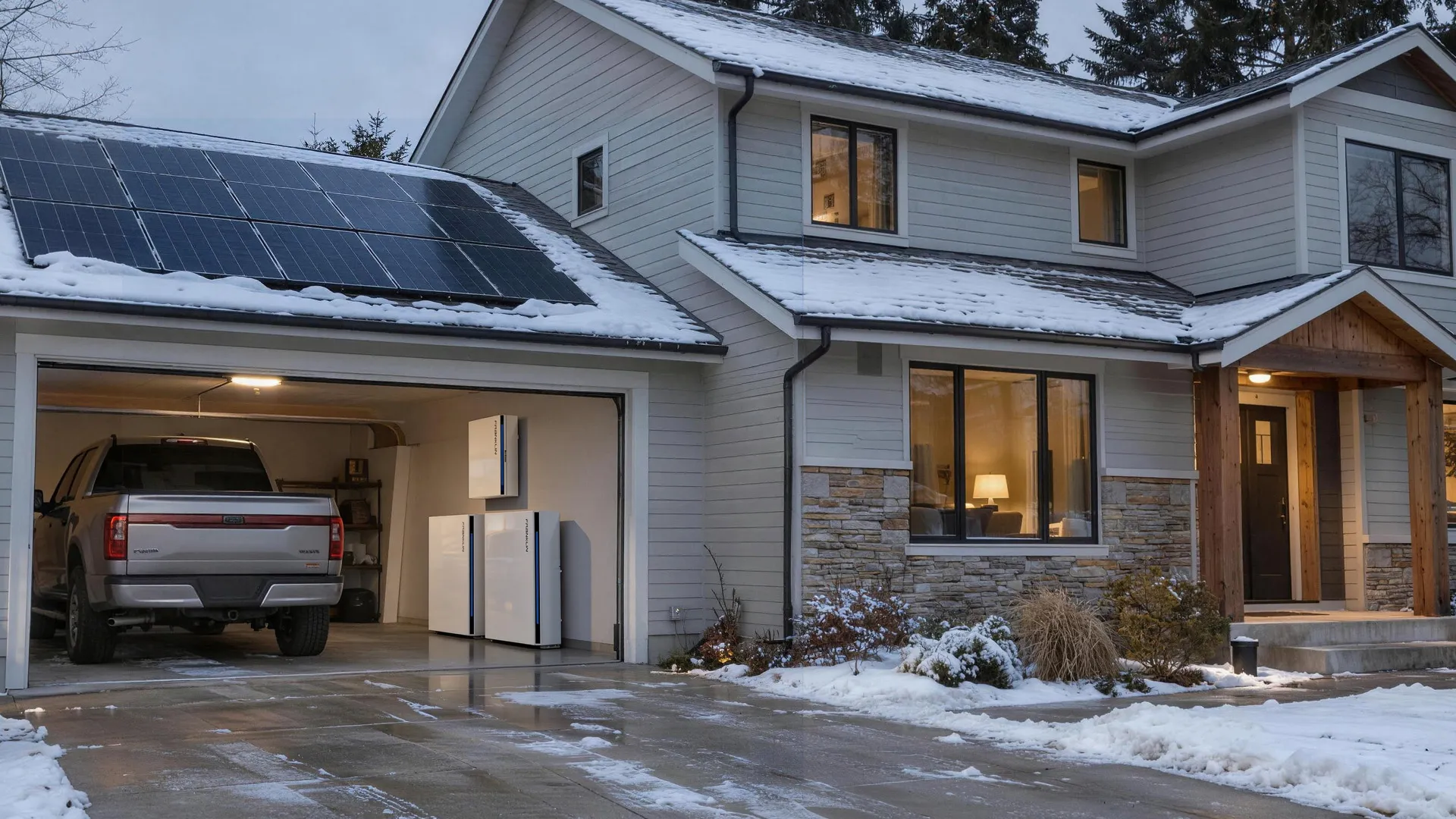
For more advanced savings, the FranklinWH System offers a premium home energy management and battery storage solution. By intelligently coordinating solar generation, electricity tariffs, and battery charging and discharging, the system shifts stored energy to reduce reliance on expensive grid electricity during peak and high-rate hours. The system’s Smart Circuits also enable load shifting by scheduling selected household loads such as a heater to automatically run during lower-cost periods. These capabilities can significantly reduce electricity bills without inherently reducing the heater's electricity consumption, helping homeowners maintain comfort while optimizing energy use.
Space Heater Safety Tips
While space heaters provide convenient supplemental heating, improper use can pose fire and electrical hazards. Follow these essential safety precautions:
- Maintain Safe Clearance: Keep heaters at least three feet away from flammable materials, including curtains, furniture, and bedding.
- Use Wall Outlets Directly: Plug heaters directly into wall outlets, avoiding extension cords or power strips that may overheat.
- Avoid Unattended Operation: Turn off space heaters when leaving the room or going to sleep.
- Choose Built-In Safety Features: Select heaters with overheat protection and automatic tip-over shutoff to reduce fire risks.
Conclusion
While space heaters can consume high amounts of electricity, they can be a practical addition to a winter heating strategy when used thoughtfully. With appropriate heater sizing, strategic heating usage, building improvements, and intelligent energy management and battery storage equipment, homeowners can maintain a comfortable living space without driving up electricity expenses.
