


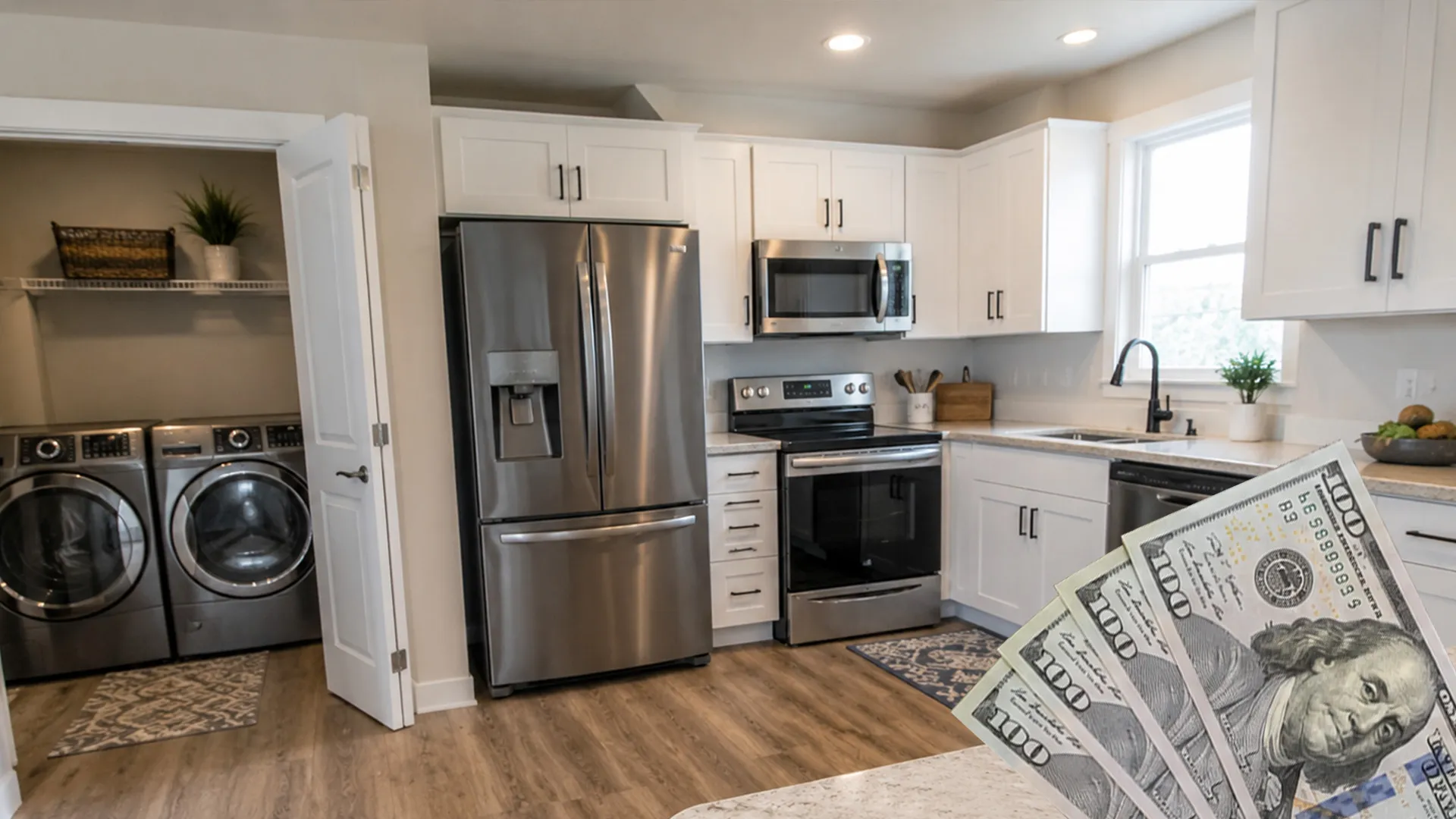
The Home Electrification and Appliance Rebates (HEEHRA) program was created under the Inflation Reduction Act to help low and moderate income families transition from fossil fuel-powered appliances to high-efficiency electric alternatives. The program is federally funded but administered by individual states, territories, and Tribes, meaning availability, application procedures, and eligible products may vary by location. Depending on household income and eligible project costs, households may receive rebates of up to $14,000 for qualifying electrification upgrades, with greater cost coverage generally available to lower-income households.
Unlike a tax credit that homeowners claim after filing their taxes, HEEHRA is primarily designed to lower the upfront cost of upgrades. Rebates are generally provided as point-of-sale discounts through participating contractors, retailers, or other approved channels, while some local programs may also offer mail-in rebates.
HEEHRA Eligibility
HEEHRA rebates are available for a range of high-efficiency electric appliances and supporting electrical upgrades. Eligible projects may include heat pump powered heating and cooling systems, water heaters, and clothes dryers, as well as electric stoves or cooktops, electrical wiring upgrades, electrical panel upgrades, insulation, air sealing, and ventilation improvements.
HEEHRA eligibility is primarily based on household income relative to the area median income (AMI). Households earning below 80% of AMI may qualify for rebates covering up to 100% of eligible project costs, while households earning between 80% and 150% of the AMI may qualify for rebates covering up to 50% of eligible costs. Households above 150% of AMI are typically not eligible for HEEHRA rebates.
HEEHRA is available to both homeowners and renters who meet income requirements, although the specific application process may differ depending on the housing type and state program rules. The program can support upgrades in single-family homes and certain multifamily buildings, with some states establishing additional requirements for multifamily properties.
To check whether HEEHRA rebates are available in your area, visit the U.S. Department of Energy (DOE)’s Home Energy Rebates Program page or contact your state’s energy office for the latest program status, eligibility requirements, and application details.
How to Apply
Once eligibility is confirmed, follow your local program’s process to select a qualifying appliance or home improvement and, where required, a participating contractor or retailer. Some programs may require preapproval or a rebate reservation before installation, so homeowners should check the local requirements before purchasing equipment or beginning work. HEEHRA incentives are primarily designed to be delivered at the point of sale through retailers or contractors, reducing the eligible cost rather than requiring households to wait until they file their taxes.
After the purchase or installation is completed, submit any documentation required by the local program, such as income documents, invoices, proof of installation, or product information. Since procedures vary by state, homeowners should always follow their program administrator’s instructions from eligibility verification through final rebate payment.
Tips to Avoid Delays and Scams
Delays typically occur when homeowners are unfamiliar with their state’s specific HEEHRA requirements. Common issues include applying before confirming eligibility, submitting incomplete documentation, selecting non-qualifying equipment, or hiring contractors who are not registered or approved by the local program. Reviewing program guidelines in advance and preparing all required materials can help ensure a smoother application process.
Scams can occur when companies use HEEHRA as a marketing tool to make false promises about guaranteed rebates, free upgrades, or exclusive government offers. To protect yourself, always verify rebate information through official state resources or the DOE’s Home Energy Rebates Program page, confirm contractor credentials, and avoid making decisions based on unsolicited offers or high-pressure sales tactics.
The Trade-Off: Rising Energy Bills
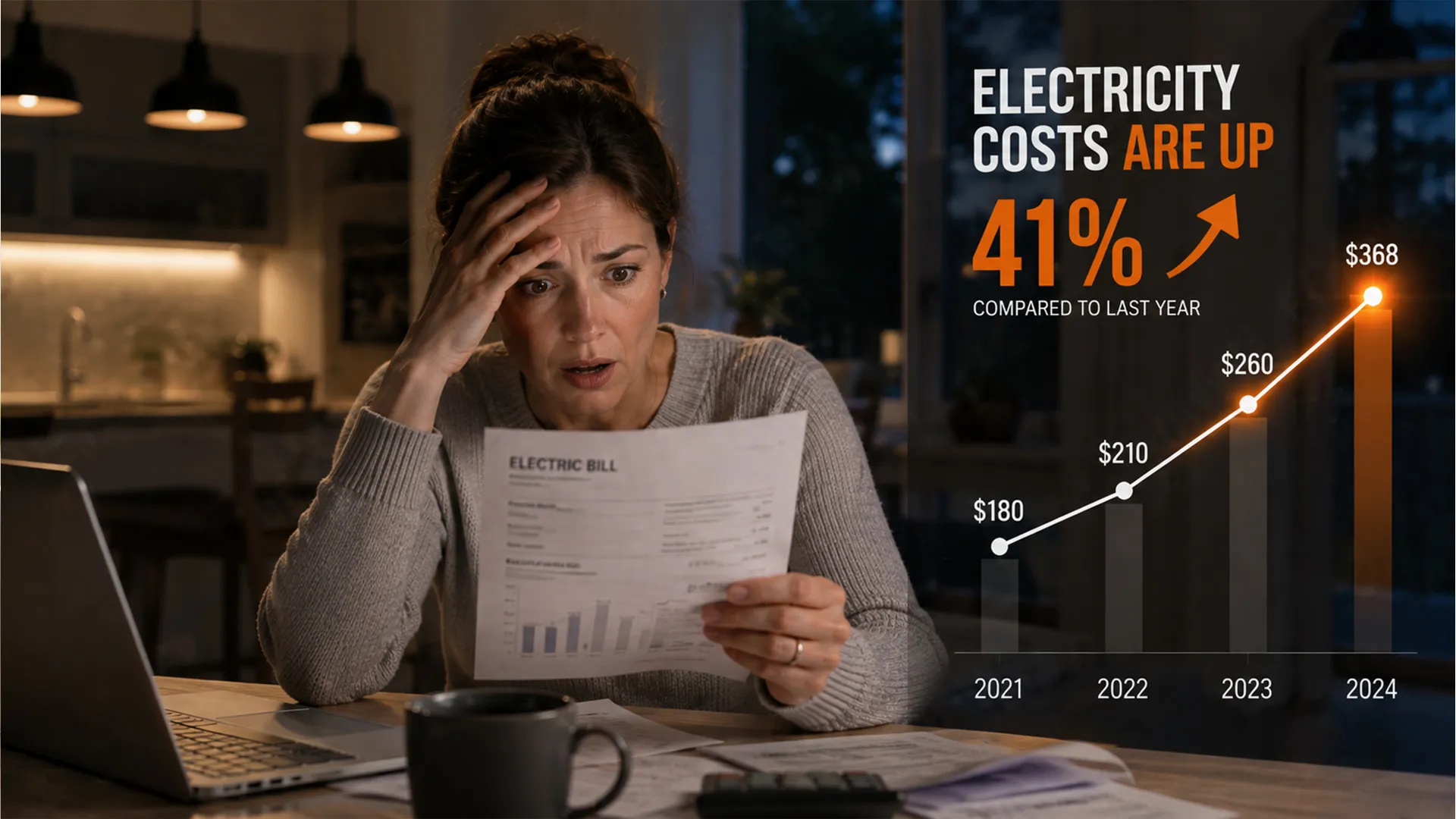
While HEEHRA reduces the upfront cost of home electrification upgrades, the program is primarily designed to accelerate the transition from fossil fuel-powered appliances to high-efficiency electric alternatives and enable long-term decarbonization. Qualifying upgrades, such as heat pumps, heat water heaters, and other electric appliances, can improve energy efficiency and reduce emissions, but they may also increase household electricity consumption and costs because more home energy needs are shifted from fuels such as natural gas or propane to electricity.
As more energy-intensive loads become electric, homeowners need smarter ways to manage their energy consumption. A home energy management and battery storage solution can help maximize the value of HEEHRA upgrades through intelligent energy optimization, increasing renewable energy usage and reducing reliance on expensive peak-hour grid electricity.
The FranklinWH System: Minimizing the Electricity Cost of Home Appliance Upgrades
As more households transition to electric appliances through programs such as HEEHRA, it is essential to manage increasing electricity consumption to maximize long-term savings. The FranklinWH System is an advanced home energy management and battery storage solution that helps homeowners minimize grid reliance while maintaining comfort.
Power energy-intensive appliances with ease: As part of the FranklinWH System, the aPower battery provides scalable 15 kWh capacity, 10 kW continuous output, and 185 A LRA, easily supporting demanding household loads. By storing surplus solar energy during the day or charging with lower-cost off-peak electricity, it helps power energy-intensive appliances while minimizing expensive grid power purchases during the peak hours when these appliances are usually used.
- Deliver clean, stable power: The FranklinWH System delivers enterprise-level power quality that helps provide clean, stable electricity for household appliances, enabling reliable operation without disruptions caused by power fluctuations.
- Intelligent load management: Smart Circuits enable intelligent control of specific energy-intensive loads, such as water heaters, by scheduling automatic operation during lower-cost off-peak hours. This helps shift electricity consumption from expensive periods to slash energy costs.
- Substantial long-term financial benefits: With engineered reliability, scalable storage, and intelligent energy management, the FranklinWH System helps homeowners maximize the long-term savings potential of their electrified appliances.
- Continuous operation during outages: The FranklinWH System provides whole-home backup power to keep essential and high-demand appliances running during outages. With intelligent energy management, homeowners can maintain comfort and energy resiliency even when the grid goes down.
Conclusion
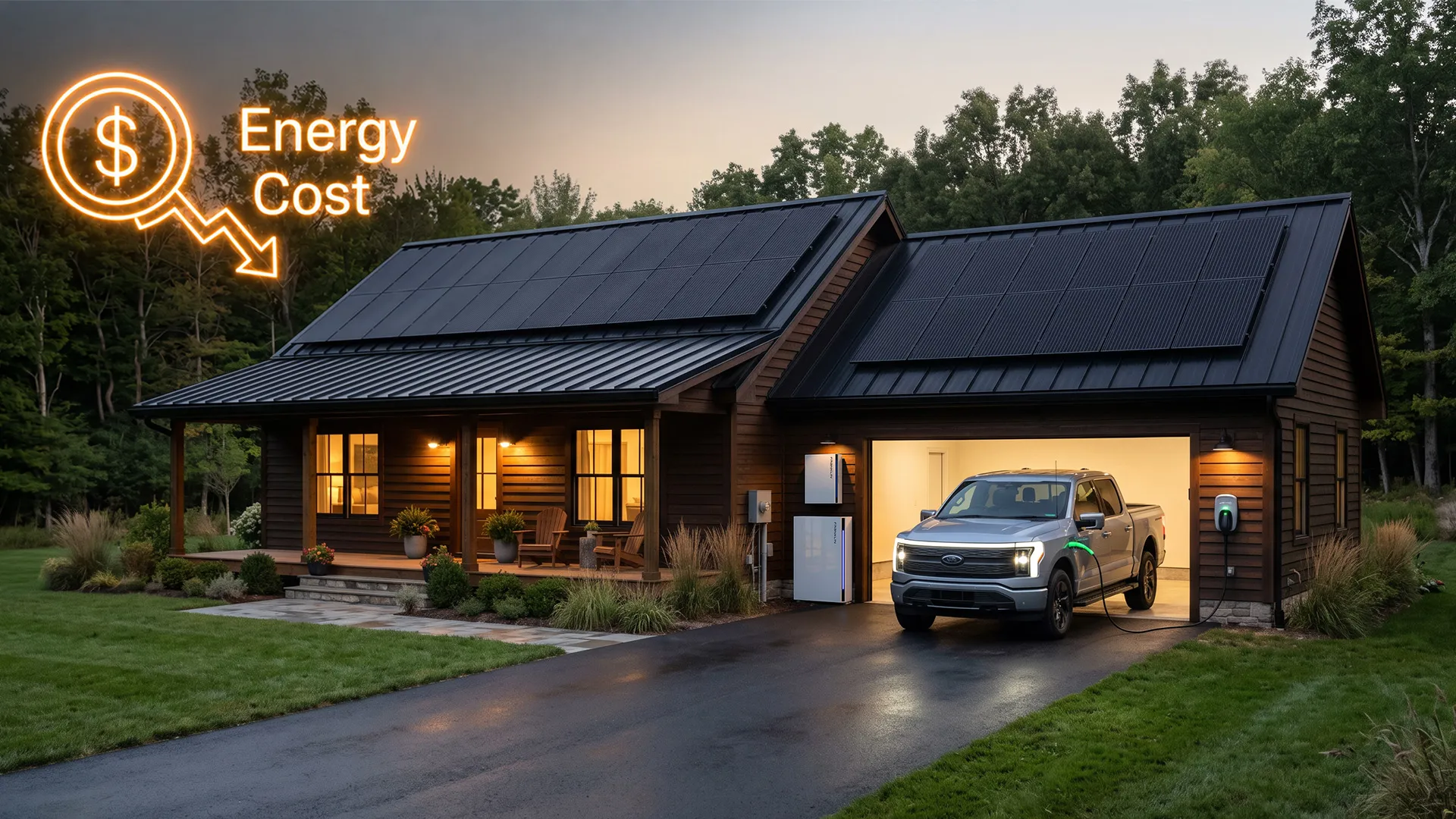
HEEHRA makes electrification of home appliances more accessible by reducing the initial outlay. However, as electrification increases home electricity demand, homeowners also need solutions that optimize energy usage and control long-term energy costs. As a premium home energy management system that combines intelligent energy management, battery storage, and proven reliability, the FranklinWH System helps homeowners maximize the value of their electrification upgrades while creating a more efficient, resilient, and cost-effective energy experience.
