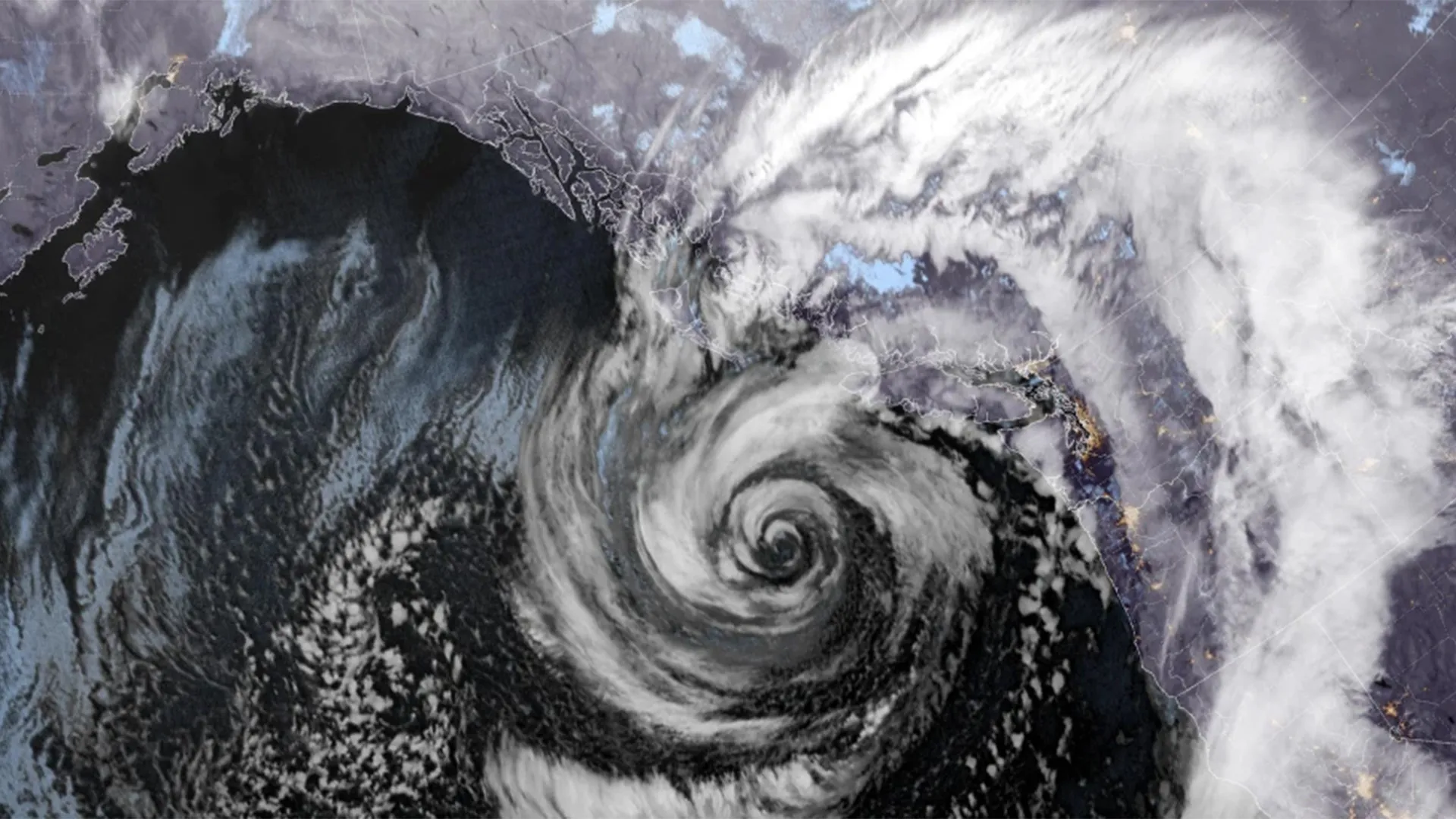
Hurricanes, typhoons, and cyclones are among the most destructive weather systems, capable of causing widespread damage through powerful winds, torrential rainfall, severe flooding, and life-threatening storm surges. While these terms are often confused, they refer to the same type of tropical storm, with their names primarily determined by where in the world they form.
Regardless of what they are locally called, these storms can severely disrupt homes, infrastructure, and electricity supplies. Understanding local storm warnings and taking appropriate preparedness measures can help homeowners protect their families, minimize property damage, and weather extended power outages.
What Are Hurricanes, Typhoons, and Cyclones?
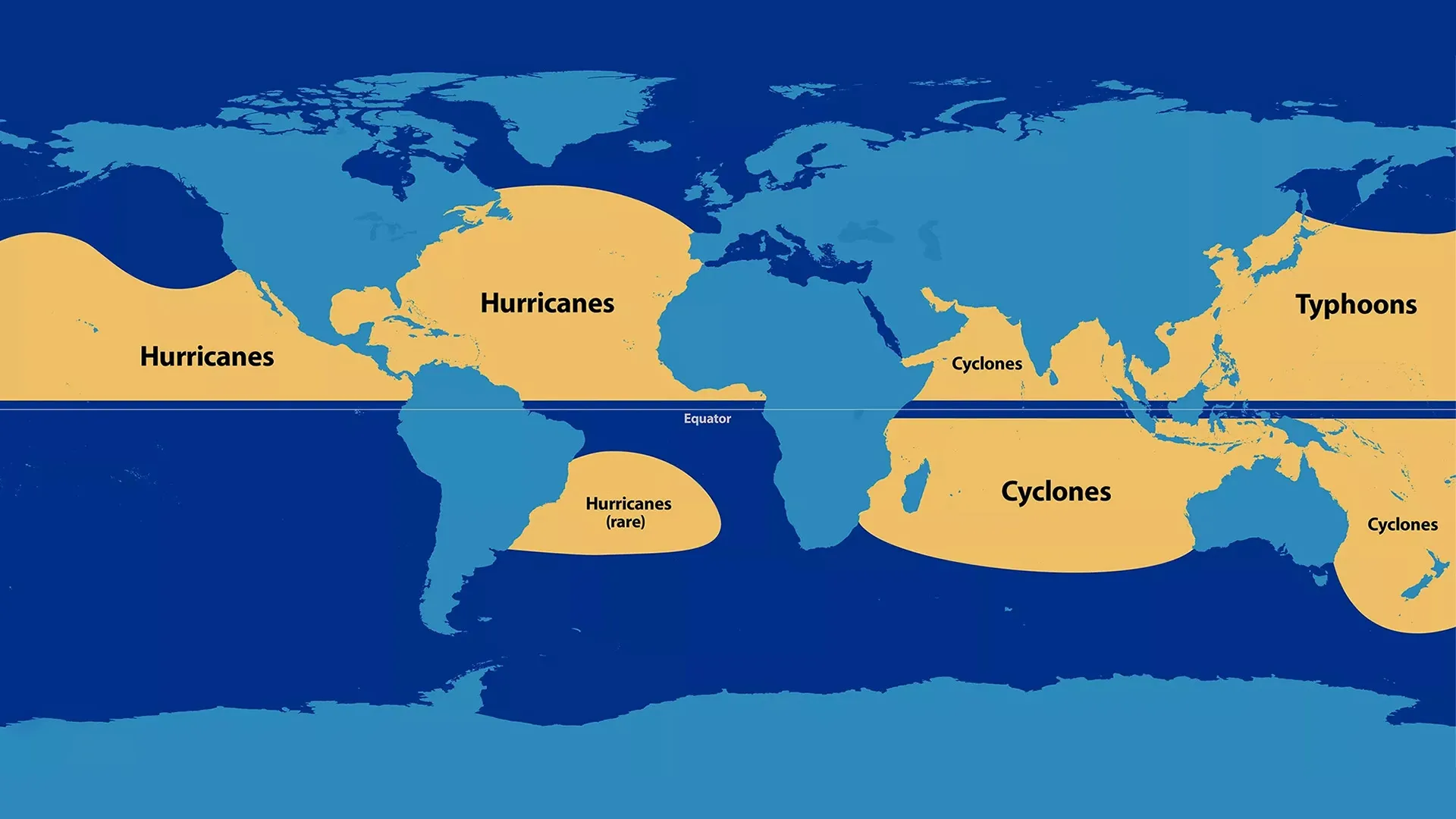
In meteorology, the umbrella term for all of these systems is a tropical cyclone: a rotating, low-pressure storm system that forms over warm tropical or subtropical waters. Hurricanes and typhoons are regional names for intense tropical cyclones, while cyclone is a standard term commonly used in the Indian Ocean and South Pacific.
Fueled by warm ocean waters and rising, moist air, these storms can intensify under favorable atmospheric conditions, progressing from tropical depressions to tropical storms and potentially hurricanes or typhoons. However, classification systems and naming conventions vary geographically.
Cyclone vs. Hurricane vs. Typhoon: A side-by-Side Comparison
Although these storms share similar characteristics, their geographic locations and peak seasons differ, as shown below:
| Storm Type | Geographic Location | Typical Storm Season |
| Hurricane | North Atlantic and eastern/central North Pacific | June–November (Atlantic and central Pacific); mid May–November (eastern Pacific) |
| Typhoon | Western North Pacific | Year-round, with peak activity from July to November |
| Cyclone | North Indian Ocean | Two main active periods: April–June and October–December |
| Cyclone | South Indian Ocean and South Pacific | November–April |
Wind Speeds and Storm Classification
Regional authorities use different wind speed thresholds and classification systems to rate storm intensity.
- Hurricanes: Begin at sustained winds of 74 mph (119 km/h) and are rated from Category 1 to Category 5.
- Typhoons: Typically begin at sustained winds of around 119 km/h, with classifications including typhoons, severe typhoons, and super typhoons.
- Cyclones: Cover a broader range of intensities. In Australia, Category 1 starts at 63 km/h, while Categories 3–5 are classified as severe tropical cyclones.
Note that category ratings are not directly comparable across regions due to differences in wind speed thresholds and measurement methods.
While the classifications are based on maximum sustained wind speeds, wind intensity alone does not reflect the full range of hazards these storms pose. Global warming means more water, contributing to heavier tropical cyclone rainfall, while rising sea levels increase coastal flooding risks. Low-category slow-moving storms may still bring prolonged rainfall and severe inland flooding. Therefore, homeowners should consider rainfall, storm surge, and flooding risks alongside wind-speed ratings when preparing for these storms.
Regional Warning and Naming Systems
Regional weather agencies monitor tropical cyclones, assign storm names, and issue public advisories to communicate storm severity and potential risks. Examples include the National Hurricane Center (NHC) of National Oceanic and Atmospheric Administration (NOAA) in the US, the Japan Meteorological Agency (JMA), Australia's Bureau of Meteorology (BoM), and the India Meteorological Department (IMD). Each agency follows regional naming and warning systems, making it essential to monitor official local alerts.
What Dangers Do Cyclones, Hurricanes, and Typhoons Have in Common?
Regardless of their names or locations, these powerful storms pose similar threats to people, property, and infrastructure.
- Destructive Winds: Strong winds can tear off roofs, damage buildings, uproot trees, and send dangerous debris flying.
- Storm Surges and Coastal Flooding: Powerful winds push seawater toward shore, causing abnormal rises in sea level that can inundate coastal communities and damage infrastructure.
- Heavy Rainfall and Inland Flooding: Intense rainfall can cause flash floods and widespread river flooding, even hundreds of miles inland, damaging homes and roads.
- Widespread Power Outages: Strong winds, fallen trees, and flooding can damage power lines and electrical infrastructure, leaving communities without electricity for days or longer.
How to Prepare for Cyclones, Hurricanes, and Typhoons
Before the Storm
- Plan for Emergencies: Map out your evacuation routes, identify shelter locations, and establish emergency contacts.
- Secure Your Home: Reinforce windows and doors, and secure outdoor equipment.
- Stock Emergency Supplies: Prepare water, non-perishable food, flashlights, and communication devices.
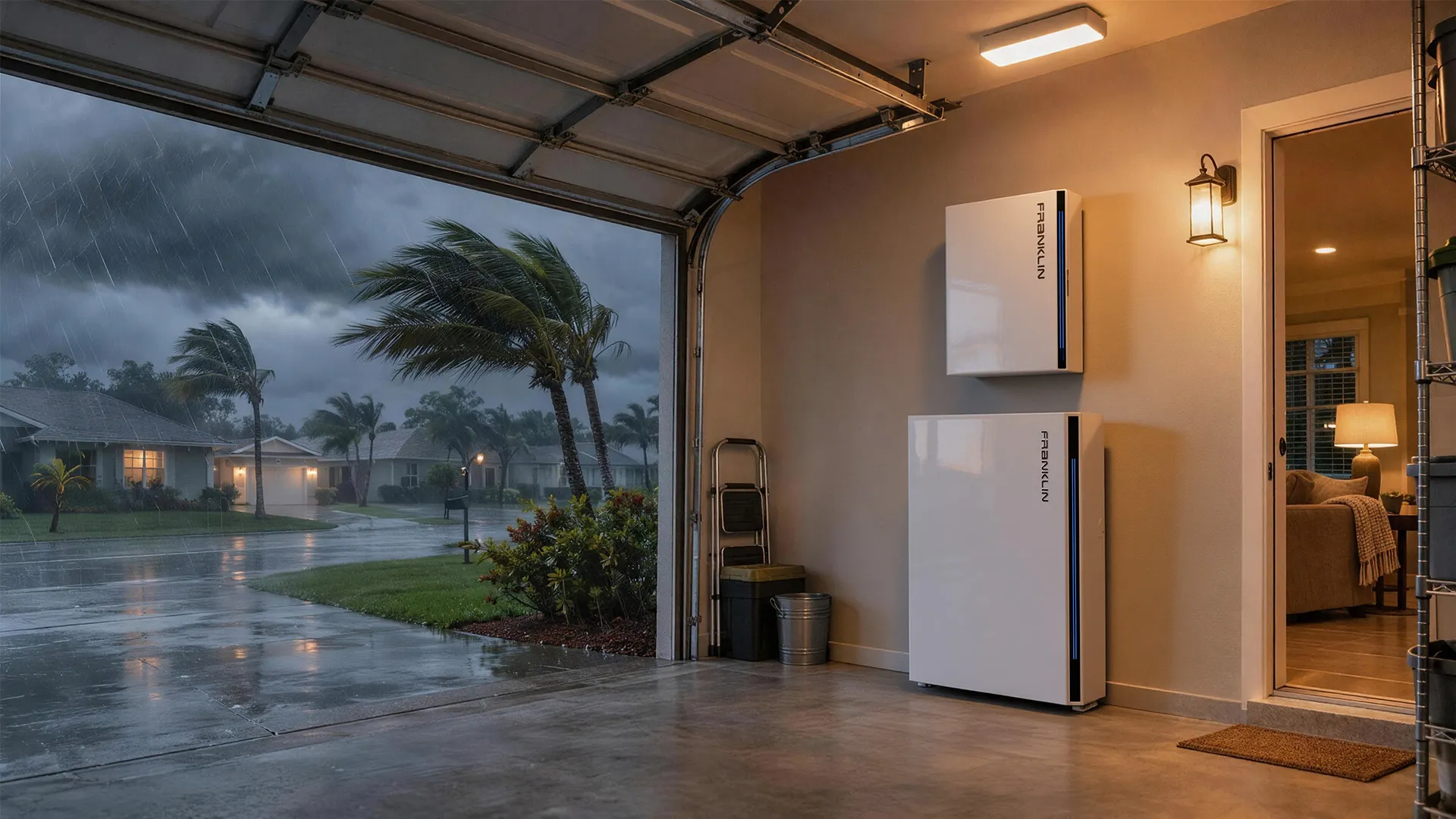
- Prepare for Power Outages: Charge essential devices and check backup power arrangements. Designed for reliability, the FranklinWH System offers automatic whole-home backup to help you power through long-lasting outages as if nothing happened.
During the Storm
- Follow Official Warnings: Keep a close eye on weather updates and follow evacuation orders or emergency instructions from local authorities.
- Stay Indoors: If riding out the storm at home, stay away from windows and doors, preferably in an interior room away from flooding risks.
- Avoid Floodwaters: Never walk or drive through flooded areas, and stay away from downed power lines.
After the Storm
- Inspect Property Damage: Check your home for structural damage, document losses, and contact your insurance provider.
- Clean Up Safely: Wear protective equipment when removing debris and dry out water areas promptly to prevent mold growth.
- Restore Electricity Safely: Have damaged electrical systems inspected and repaired by a licensed electrician before use.
- Check Food and Water Safety: Discard spoiled food and follow local drinking water safety advisories.
The above recommendations are general storm preparedness measures applicable across regions. However, there are region-specific warning systems, building regulations, and emergency guidelines. Residents are advised to follow local weather alerts and official guidance to make more targeted preparations based on regional conditions and risks.
How to Keep Your Home Powered During Cyclones, Hurricanes, and Typhoons
Power outages are a major concern during severe storms, particularly prolonged ones. The following measures can help maintain electricity supplies.
- Identify Essential Home Electrical Loads: Prioritize refrigerators, lighting, and communication devices to determine your backup power needs.
- Consider Reliable Whole-Home Backup Solutions: Choose a system with sufficient battery capacity, power output, and reliability to support essential and high-demand appliances.
- Plan for Extended Outages: Conserve stored energy and build a home energy ecosystem with multiple sources, such as solar panels, generators, or compatible electric vehicles, alongside the battery.
The FranklinWH System is a top-notch home backup solution. It provides seamless whole-home backup with a high-capacity scalable aPower battery. Engineered for reliability, from advanced cell management to robust battery pack architecture, it delivers long-term peace of mind even in harsh environments.
Certified to data-center-grade reliability standards, it delivers enterprise-level power quality to stably support appliances ranging from essential loads to heavy-duty ones such A/C, water heaters, and EV chargers.
Generator and vehicle-to-load (V2L) integration capability adds extra layers backup resiliency. If the battery is depleted during an extended outage, Black Start can automatically restart the system without grid power once sufficient solar energy becomes available.
Ready to reliably protect your home against the next storm? Schedule a free consultation with FranklinWH to start your energy freedom journey!