


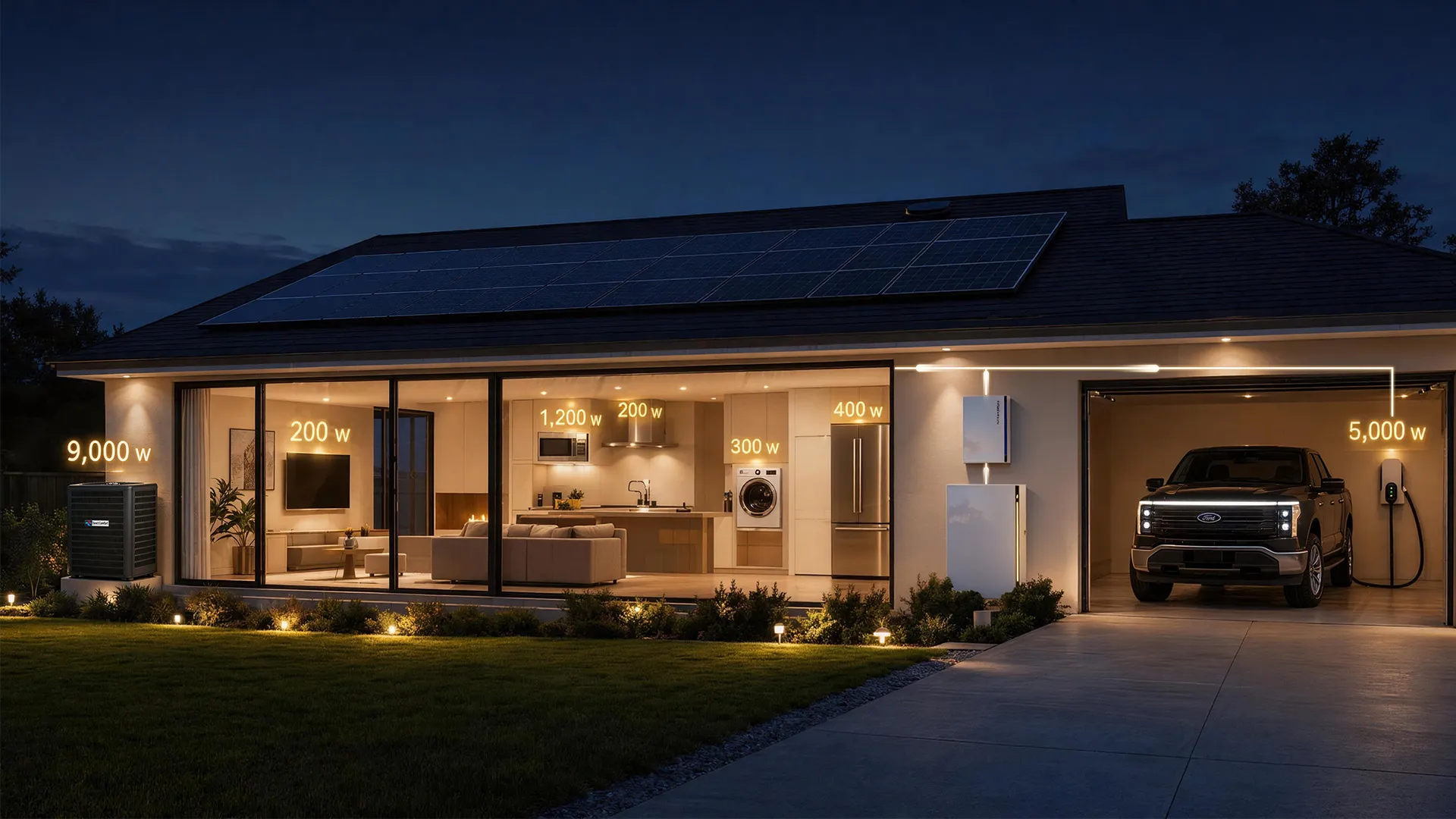
You open your electric bill, and your jaw drops. Where is all that energy going? You’re not alone in asking this question. The average U.S. household uses over 10,500 kWh of electricity per year. For most of us, it’s not clear what consumes the most electricity in a home.
Understanding where your energy is going is the first step toward taking control of your energy costs. And if lowering your carbon footprint is important to you, knowing these answers is doubly important.
Once you know where the biggest draws are, you can do something about them. Let’s break down the biggest electricity guzzlers in your home and show you some practical ways to start saving.
Top Appliances That Use the Most Electricity
| Appliance | Share of Home Electricity Use |
| Air conditioning | 19% |
| Space heating | 12% |
| Water heating | 12% |
| Lighting | 9% |
| Refrigerator | 7% |
| Clothes dryer | 6% |
| Freezer | 3% |
| Other appliances | 32% |
Data source: U.S. Energy Information Administration
So, what appliances use the most electricity? According to the U.S. Energy Information Administration (EIA), heating, cooling, and water heating take the top spots. However, they’re far from the only contributors. Here’s a breakdown of the top electricity use in your home:
- Air Conditioning (19%): No surprise here. Cooling your home is the single highest electricity draw, accounting for nearly one-fifth of your total usage. If you live in a warmer climate, this number could be even higher.
- Space Heating (12%): Electric heating systems work hard, especially during cold winters, making them one of the top energy consumers in your home.
- Water Heating (12%): Your water heater runs constantly in the background, heating water for your showers, dishes, and laundry. This is a significant but easy-to-overlook energy user.
- Lighting (9%): Lights are on for hours every day throughout your home. That adds up fast, especially if you still have older, less efficient bulbs.
- Refrigerator (7%): Your fridge never gets a day off. It runs 24 hours a day, 7 days a week, which is why it consistently ranks as a top electricity user.
- Clothes Dryer (6%): Dryers generate a lot of heat, and heat requires energy. Running a full load takes significant power every time.
- Freezer (3%): Like your fridge, a standalone freezer runs around the clock and quietly adds to your electricity usage.
- Everything Else (31%): This catch-all category covers the rest of your home’s energy draws, including televisions, computers, dishwashers, microwaves, phone chargers, and more. Individually, these devices might seem small, but their power consumption adds up across an entire household.
Why These Appliances Consume the Most Power
If you look at the list above, you’ll notice a pattern. The appliances that consume the most electricity in a house are almost all related to one thing: temperature control.
Heating and cooling your home requires an enormous amount of energy because you’re constantly fighting against the outside environment to keep indoor temps comfortable. For example, on a scorching day, your air conditioner is working nonstop to push heat out of your home. On a freezing winter night, your heating system is doing the opposite.
The EIA points out that because of population shifts toward warmer climates and the fact that air conditioning is now standard in nearly all new homes, it has become one of the fastest-growing energy uses in American households. In fact, almost 90% of U.S. homes used air conditioning in 2020.
Water heating follows the same logic. Raising the temperature of water and keeping it hot requires continuous energy input, just like your heating and cooling systems.
How to Reduce Electricity Usage at Home
Knowing what uses the most power in a house is only half the battle. The other half is taking concrete action to actually lower your energy bills. That starts by being intentional about how you use power.
Small changes to your habits combined with a few smart upgrades can make a real dent in your monthly bill and shrink your carbon footprint in the process.
Here are some practical steps you can take right now:
- Adjust your thermostat: Lowering or raising your thermostat 7 to 10 degrees when you’re asleep or away from your home can reduce your annual heating and cooling costs by around 10%, according to the U.S. Department of Energy.
- Switch to LED lighting: Replacing your light fixtures with energy-conserving LED bulbs can save up to 75% of the energy used by incandescent bulbs.
- Look for the ENERGY STAR label: Choosing ENERGY STAR certified products can reduce your energy bills by 30% and your electric lighting charges by 40%.
- Lower your water heater temperature: Turning your water heater down to 120 can cut your water heating costs by 6% to 10%.
- Hunt down energy vampires: Devices such as TVs, microwaves, and chargers draw standby power even when you turn them off. The EPA estimates that these hidden loads can account for 5% to 10% of total household energy use.
- Seal your home: Check for air leaks around windows and doors, and make sure your insulation is doing its job. The ENERGY STAR Home Energy Yardstick can help you compare your home’s energy use with similar homes and give you recommendations for energy-saving improvements.
- Upgrade older appliances: Replacing outdated equipment with energy-efficient models can save the average household $450 a year.
How to Manage Your Home’s Energy More Efficiently
Understanding what takes up the most electricity in the house is a first step toward taking control of your energy costs. From cooling and heating to lighting and appliances, every kilowatt adds up.
Adopting smarter habits and investing in efficient upgrades can go a long way. But if you really want to optimize your home energy management, the next step is investing in a whole-home energy management system.
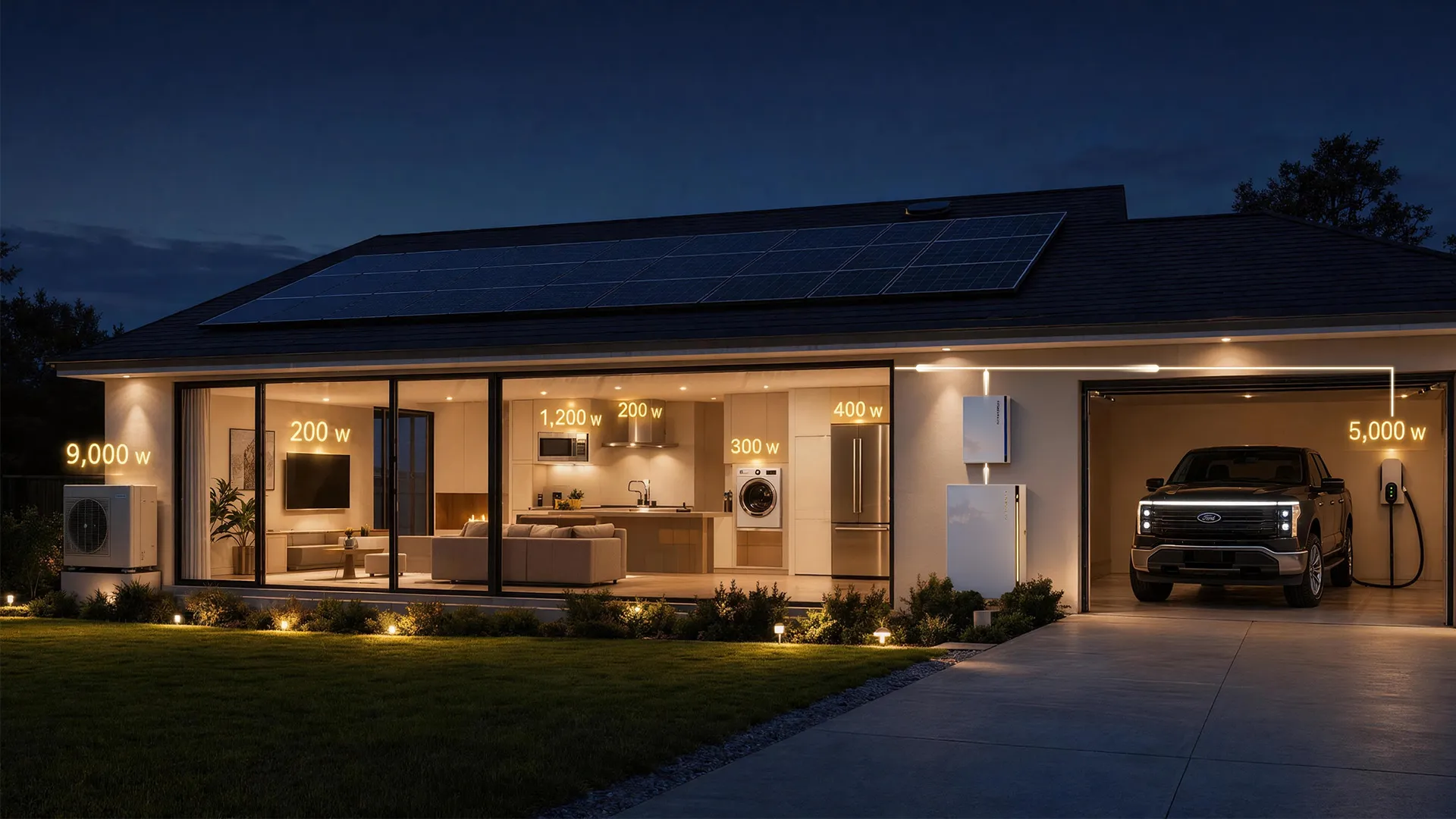
The FranklinWH System can combine solar panels, solar batteries, and even your electric vehicle to help you store, manage, and monitor your home’s energy around the clock. The result is lower bills, greater energy independence, and peace of mind.
Now that you know what uses the most electricity in your home, are you ready to take control of your home’s energy? Request a consultation with FranklinWH today.
