


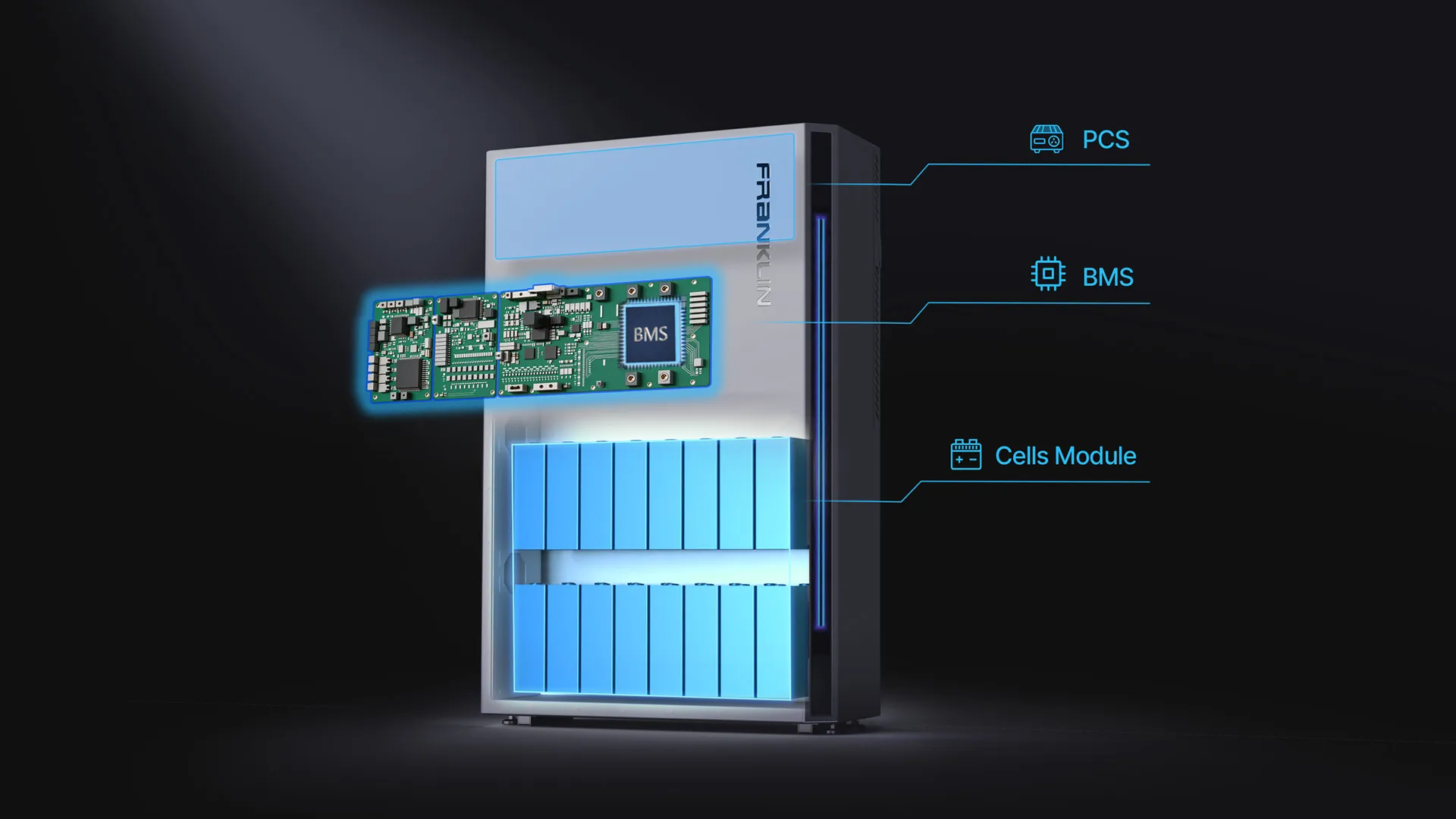
Battery longevity is one of the most important factors when choosing a home energy management system. It determines not only how long you receive a return on your investment, but how reliably your home can depend on it over the long haul.
The FranklinWH aPower battery stands out with an industry-leading 15-year warranty and a 70% State of Health (SOH) guarantee, well beyond typical market standards.
What enables that level of assurance? This article demystifies how the FranklinWH aPower extends battery life, from engineering architecture to intelligent battery management.
Applying Controlled Pressure on the Battery Pack
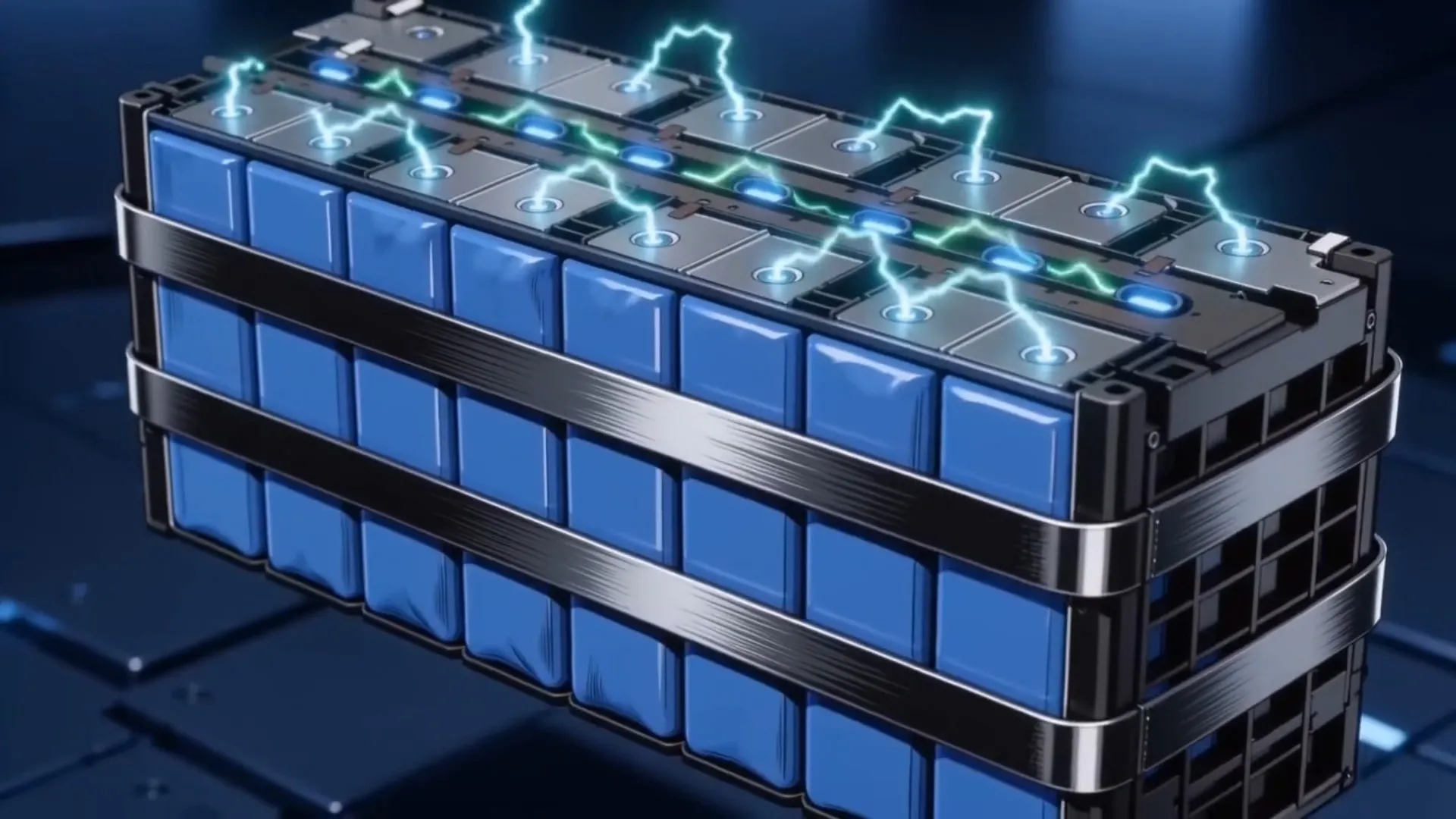
In a modern home battery unit, multiple battery cells are contained in a battery pack. The cells naturally expand during an individual charging. Over years of repeated use, this movement can create cumulative stress inside the pack. If the cells are not properly supported, small shifts can gradually lead to pack deformation, accelerated aging, and reliability risks.
That is why it is important to apply a moderate, controlled pre-tightening force on the pack. Think of it as strapping down cargo. The pressure needs to be firm enough to keep everything stable, but not so tight that it causes damage. Too little pressure allows unwanted movement, while too much pressure introduces excess stress.
FranklinWH aPower leverages a structured preload design with steel straps, end plates, and support components to help maintain consistent and appropriate pressure as the cells age. This design helps counter natural cell expansion, reduce pack deformation, and ensure reliable electrical contact.
Through managing pressure at the pack level, FranklinWH turns a hidden mechanical detail into a key factor supporting long-term safety, performance, and battery longevity.
Proactive and Reactive Cell Imbalance Management
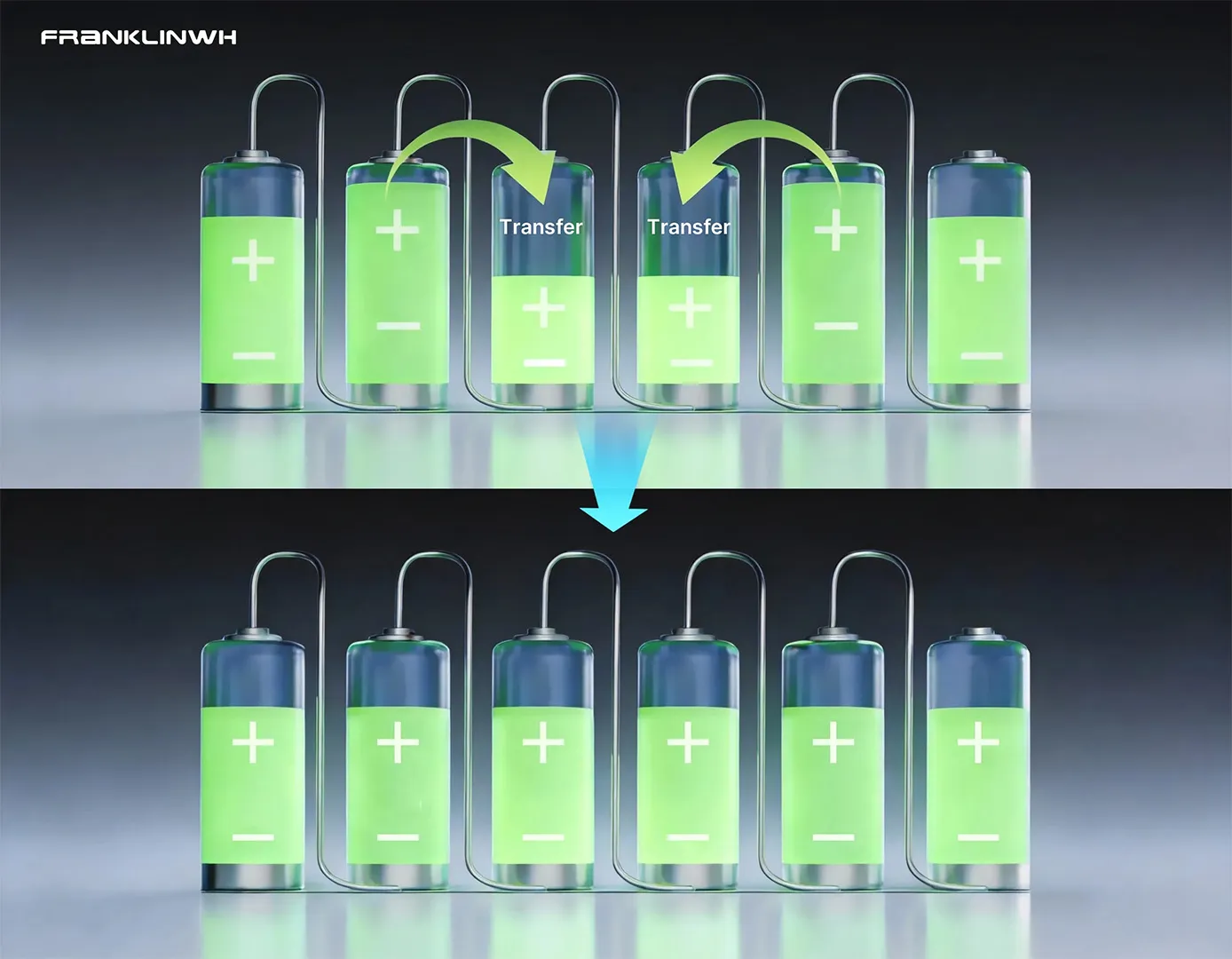
Over time, a home battery may appear to lose capacity faster than expected. This often happens because one or a few cells age earlier than the rest. Think of it as one weak player affecting the whole team. Once these weaker cells fall behind, they can limit how much energy the entire pack can store and deliver.
Cell balancing is what helps prevent this problem.
- Active balancing: A proactive method that transfers energy between cells, helping prevent imbalance from building up in the very first place.
- Passive balancing: A reactive method that dissipates excess energy from stronger cells after imbalance has already formed. It helps correct differences, but with limited efficiency.
Active balancing is often omitted in battery management systems (BMS) because it adds complexity and cost. As a result, batteries that rely only on passive balancing may struggle to keep uniform cell capacity in the mid-to-late stages of battery life.
The FranklinWH aPower stands apart by combining both active and passive balancing. During charging and discharging, the BMS actively redistributes energy between cells to minimize differences in state of charge or voltage. Passive balancing fine-tunes any remaining minor imbalances.
This dual strategy helps cells stay more consistent over time, reducing the risk of incomplete charging or discharging, enabling more stable capacity in mid-to-late life, and preventing one single weaker cell from limiting the whole battery pack.
Advanced Battery Management System and Per-Cell Thermal Management
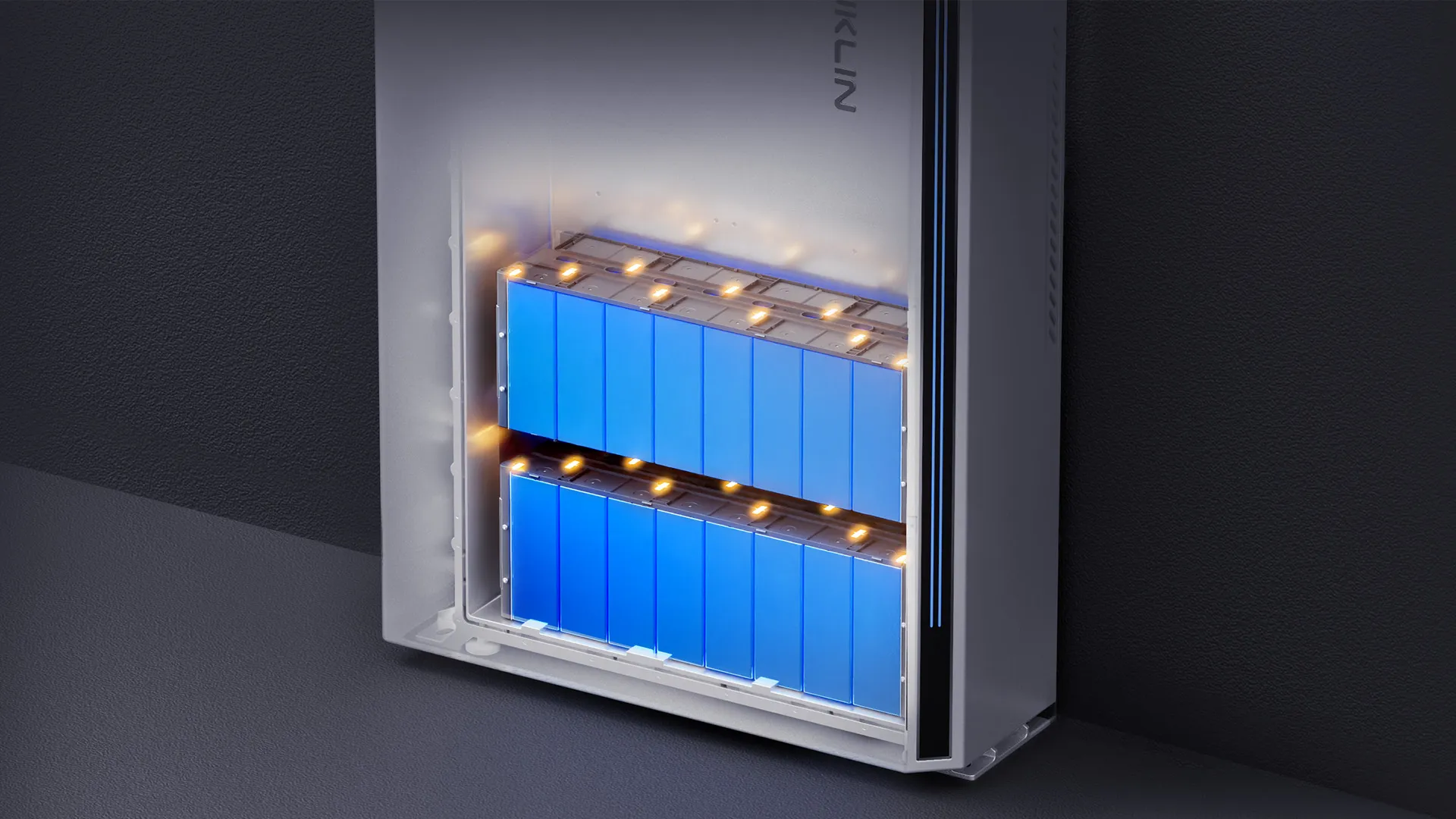
Temperature is a critical factor affecting battery performance and aging. In cold conditions, chemical reactions slow down and internal resistance rises, reducing power output and usable capacity. In hot conditions, uneven heating can accelerate degradation. Thermal management is therefore required to adjust cell temperatures in extreme weather conditions.
Many conventional systems rely on just a few temperature sensors to estimate the overall condition of the entire pack, which can miss localized hot or cold spots.
The FranklinWH aPower addresses this with a more precise, per-cell thermal management approach powered by its advanced BMS:
- Per-cell temperature monitoring: A flexible printed circuit (FPC) with 16 sensors tracks temperature at the cell-by-cell level, rather than relying on a few generalized readings.
- Targeted thermal control: The BMS can apply heating or cooling to each cell based on much finer and more accurate data, helping maintain a more balanced thermal environment.
- Improved cold-weather performance: Minimum temperature differences between cells enable more stable output and better heating efficiency in winter.
- Reduced long-term stress: Combined with the structural preload design, this approach helps minimize both thermal and mechanical strain on cells.
Think of it as a team doctor monitoring every player’s vital signs in real time, while also reinforcing high-stress areas with sports tape to prevent injury. This makes a battery operate more consistently and age more slowly across a wide range of tough conditions.
Comprehensive State of Health Evaluation and Management
SOH reflects how much capacity a battery retains compared to when it was new. It naturally declines over time, but how well it is monitored and managed makes a significant difference.
FranklinWH aPower contains a comprehensive SOH evaluation framework to continuously track battery health. The system analyzes key indicators such as temperature changes, charge and discharge patterns, and aging trends. Based on this data, it regularly calibrates and verifies SOH, helping optimize how the battery operates over time.
Think of SOH management as a regular health check with a sports doctor. If something drifts outside a healthy range, the doctor does more than report the result. They suggest adjustments to training, diet, or recovery. In the same way, SOH management helps keep battery cells in optimal condition so they can perform reliably throughout their full service life.
An Industry-Leading 15-Year Warranty
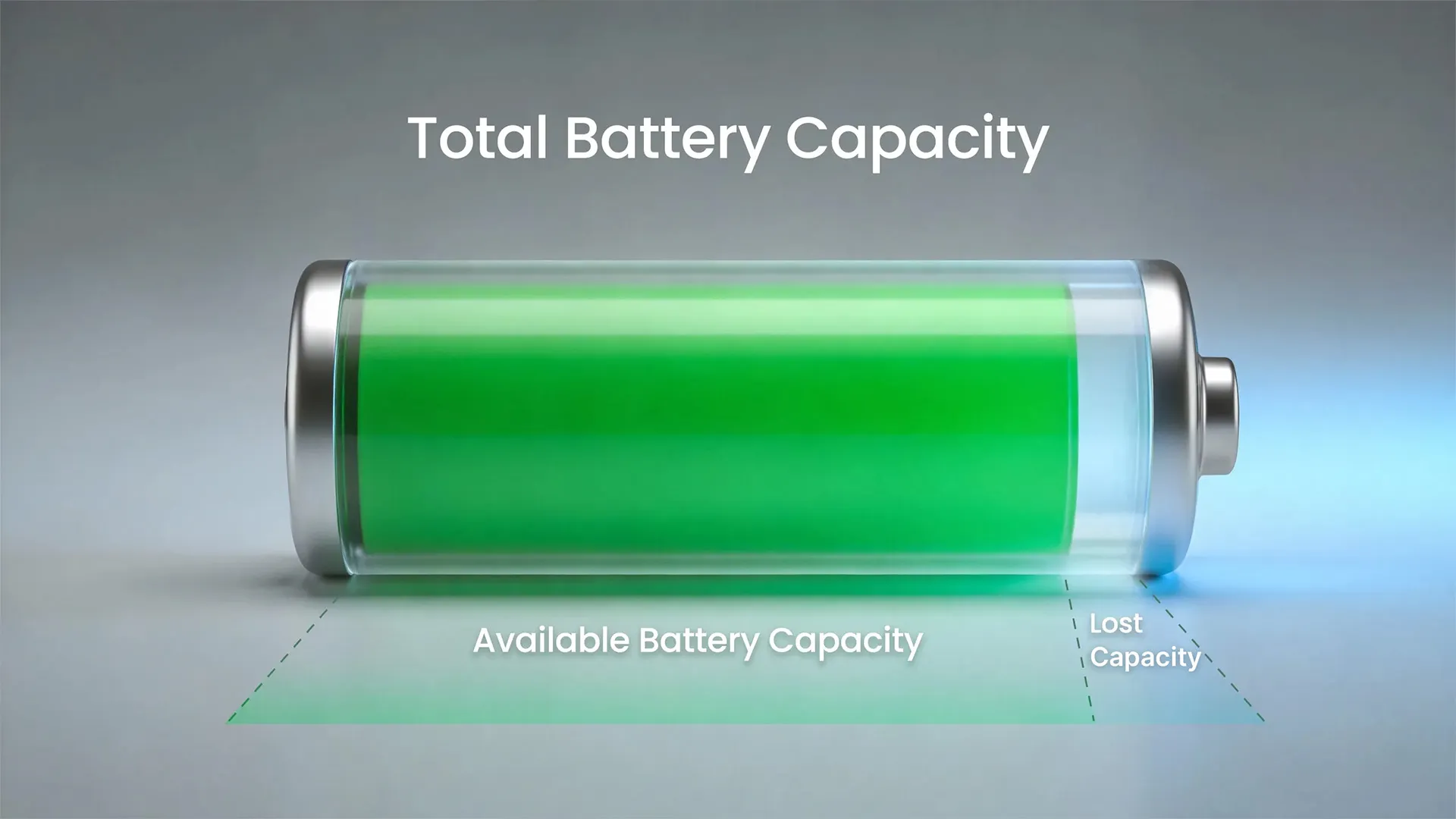
Many residential batteries offer a 10-year warranty and a 60% State of Health (SOH) guarantee. In other words, the battery is often considered to have reached its warranty-defined end of life once its usable capacity falls to 60% of its original level.
FranklinWH aPower raises that benchmark with a 15-year warranty and a 70% SOH guarantee. This confidence is built on thoughtful pack architecture and an advanced BMS, including controlled pack pressure, cell balancing, per-cell thermal monitoring, and SOH evaluation.
Conclusion
A home battery is a team of cells working together, and every cell needs to be continuously supported, balanced, monitored, and protected.
With the thoughtful pack architecture and intelligent BMS, FranklinWH aPower helps take care of those cells from the inside out. For homeowners, that means greater confidence, less concern about its longevity, and the peace of mind to “set and forget” a battery built for today, tomorrow, and years into the future.
