


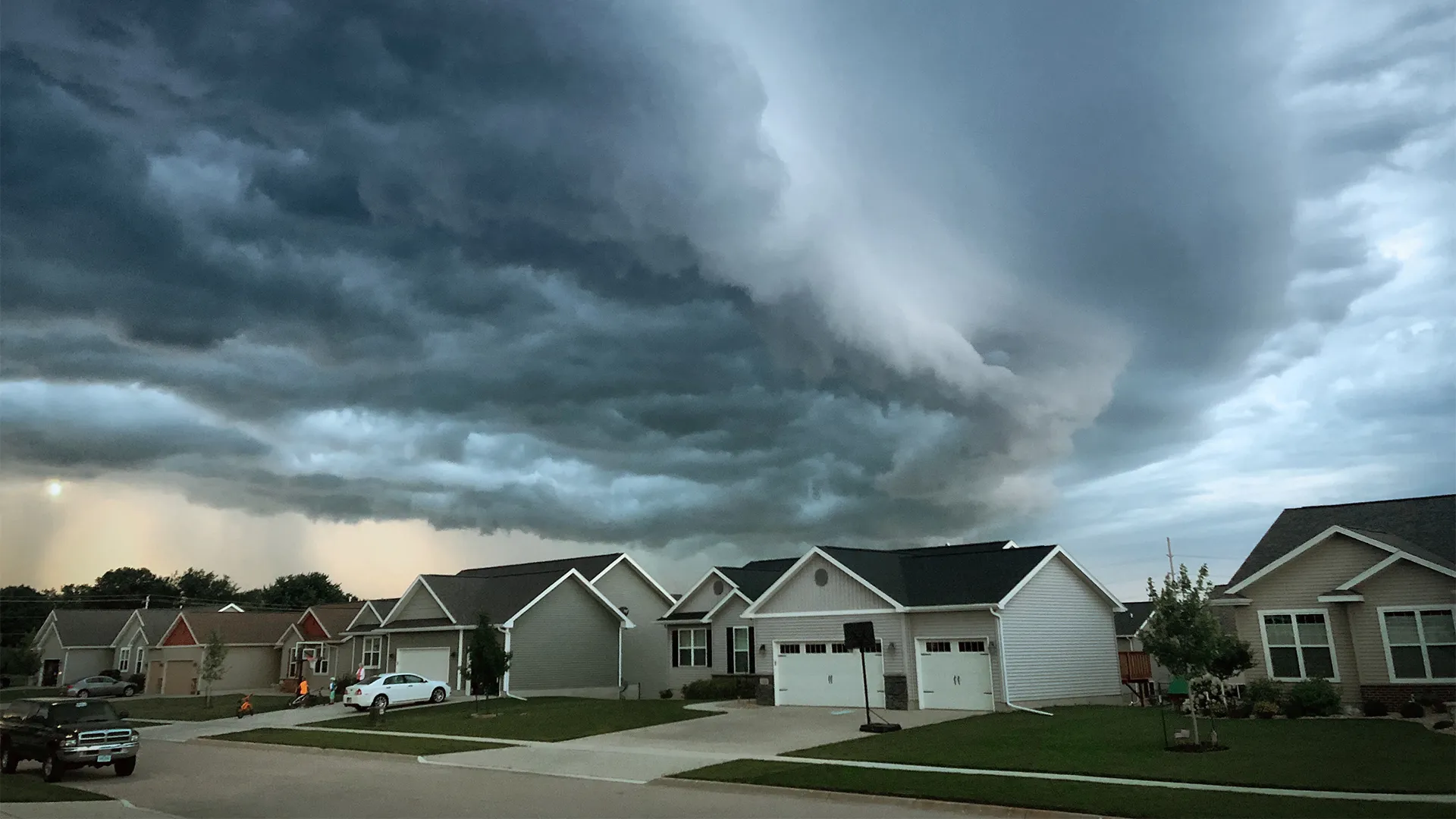
Each year, hurricanes put millions of U.S. residents at risk, bringing destructive winds, flooding, widespread damage, and extended power outages. Whether you live along the coast or in another storm-prone area, having a clear emergency plan matters. This guide explains what to do before, during, and after a hurricane, including why reliable backup power can play an important role in your overall emergency strategy.
When and Where Hurricanes Hit in the U.S.
In 2026, the official Atlantic hurricane season runs from June 1 to November 30. The Eastern Pacific season runs from May 15 to November 30, and the Central Pacific season runs from June 1 to November 30. For the United States, the greatest hurricane concern is typically along the Atlantic and Gulf coasts.
Regions Most Affected by Hurricanes
- Florida: Recently hit hard by Hurricanes Helene and Milton in 2024, with Helene causing catastrophic flooding and Milton causing $34.3 billion in damage, almost all in Florida.
- Louisiana: Still one of the most vulnerable states, as shown by Hurricane Francine in 2024 and Hurricane Ida in 2021, both of which had major impacts.
- Texas, Mississippi, and Alabama: Regularly impacted by Gulf Coast storms; Hurricane Beryl made landfall in Texas in 2024, while Francine in 2024 brought heavy rain and flooding threats to Mississippi and Alabama.
- North Carolina: Remains one of the most exposed Atlantic states; in 2024, Debby was forecast to bring 6 to 12 inches of rain, with some areas totaling up to 18 inches, creating major flood risk in parts of the state.
- Puerto Rico and the U.S. Virgin Islands: Highly exposed Caribbean territories; Fiona in 2022 brought catastrophic damage to Puerto Rico.
Why Any Hurricane Can Pose Serious Risks
The Saffir-Simpson Hurricane Wind Scale classifies hurricanes from Category 1 to Category 5 by maximum sustained wind speed. However, the National Hurricane Center says hurricanes of all categories can produce deadly storm surge, rain-induced flooding, and tornadoes.
NOAA notes that water is responsible for nearly 90% of hurricane-related deaths. That means a lower-category storm can still be extremely dangerous if it brings enough water to an area to cause prolonged storm surges and flooding. Therefore, pay attention to expected impacts, not wind category alone.
Know Your Local Hurricane Risk
Official guidance from the National Oceanic and Atmospheric Administration (NOAA) and the National Weather Service (NWS) recommends understanding your home’s risk before hurricane season intensifies.
There are official maps and national alert systems you can use.
- Flood risk maps: The Flood Map Service Center lets homeowners check flood risk by address.
- Evacuation zone tools: Many states and counties provide “Know Your Zone” lookup tools to check whether homeowners live in a hurricane evacuation zone.
- Storm information and forecasts: The National Hurricane Center provides official hurricane forecasts, track maps, watches, and warnings during active storms.
- National weather alerts: Set up Wireless Emergency Alerts (WEA) on your phones and use NOAA Weather Radio, which broadcasts official warnings, watches, forecasts, and hazard information 24/7.
What to Do Before a Hurricane?
When a hurricane is approaching, the priority is to act early.
Here are the key steps homeowners should take:
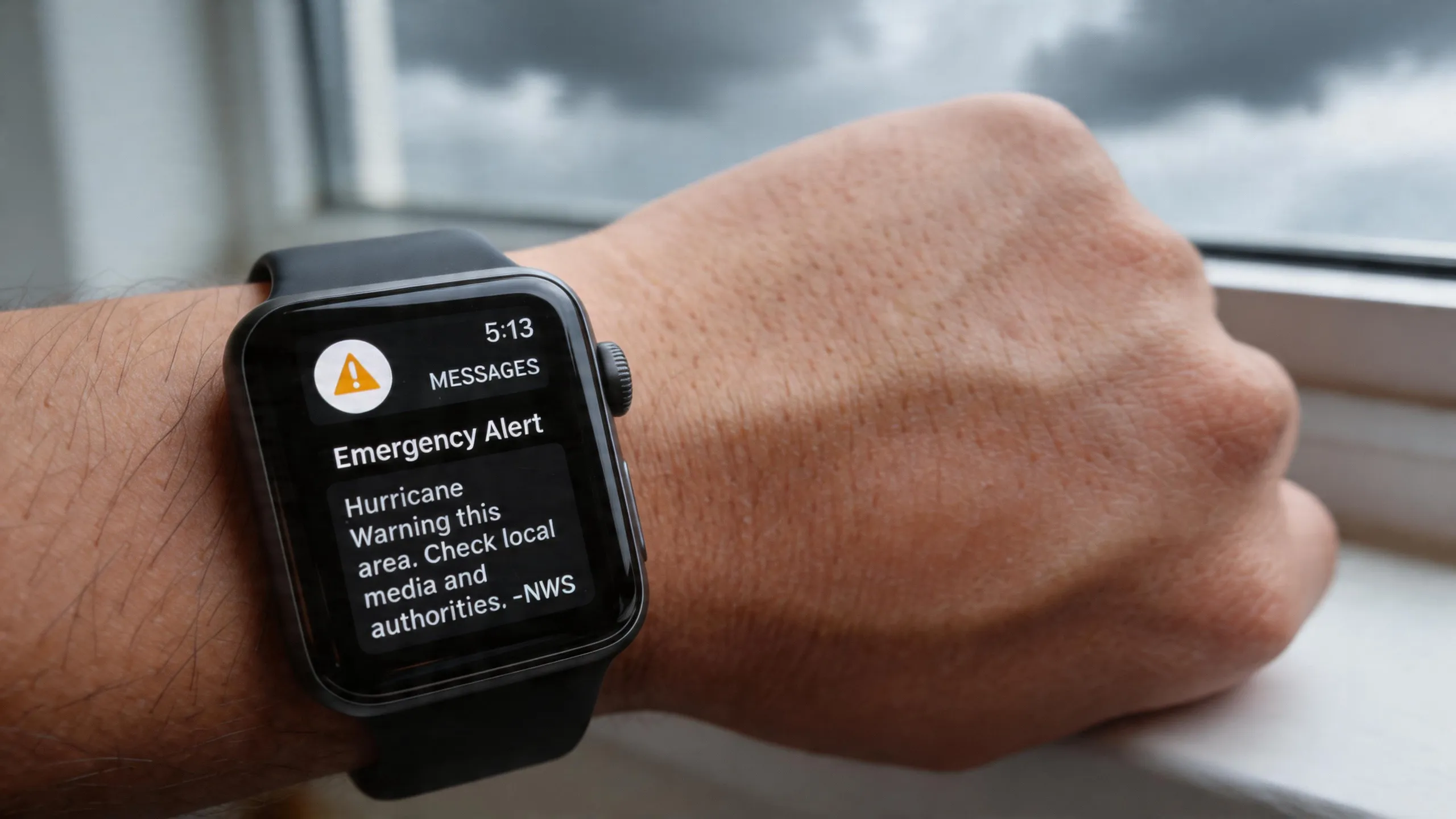
- Monitor official forecasts and alerts: Follow updates from the National Hurricane Center, your local NWS office, and WEA on your phone.
- Be ready to evacuate if you are told to leave: If you live in a storm surge zone, a flood-prone area, a mobile home, or another high-risk location, prepare to leave early and follow local evacuation orders.
- Protect your home: Cover windows, secure doors, and bring in or tie down loose outdoor items that could become dangerous in high winds.
- Get your emergency supplies ready: Make sure your go-bag, medications, water, food, flashlights, batteries, and important documents is easy to access.
- Charge phones and backup power devices: NOAA specifically advises people to charge phones and prepare backup power sources before the storm.
- Fuel or charge your vehicle: If evacuation becomes necessary, you do not want to wait until the last minute. NOAA advises people to fill up or charge their vehicles ahead of time.
- Plan for pets and vulnerable family members: Confirm where pets will go, and check on older adults, neighbors, or anyone who may need extra help before the storm.
FranklinWH System: Delivering Seamless Backup Power
The FranklinWH System is an advanced home energy management and battery storage solution that helps homeowners safely ride out storms and deliver peace of mind even when long-lasting outages occur.
The feature-rich system can:
- Switch to backup power in an instant when an outage occurs, helping maintain a seamless home energy experience.
- Support whole-home backup with a scalable 15 kWh battery.
- Power a wide range of household appliances, such as a 5-ton A/C, with clean, stable, data-center-grade power quality.
- Prioritize essential loads through Smart Circuits, helping extend available backup time during outages.
- Automatically restart when sunlight returns after the battery has been fully depleted and the grid remains down with Black Start capability.
- Operate in harsh environments with an IP67 rating and a working temperature range of -4° F to 131° F.
- Integrate with an existing generator or vehicle-to-load (V2L) setup to add another layer of backup resiliency.
What to Do During a Hurricane
If you are not under an evacuation order, the safest choice is to stay indoors, keep monitoring official alerts, and remain in your safest shelter area until authorities say the storm has passed.
- Take shelter in an interior safe room: Stay in a small, windowless room on the lowest level, such as a hallway, closet, or bathroom.
- Keep away from windows and doors: Broken glass and wind-driven debris can cause serious injury. Close all interior doors to contain wind.
- Do not go outside during a lull: The eye can bring a brief calm, but dangerous winds can return quickly. Wait for the official all-clear.
- Use battery-powered lighting: Avoid candles and use flashlights, headlamps, or LED lanterns instead.
- Keep up with official alerts: Follow updates through NOAA Weather Radio or a battery-powered radio, not just your phone.
- Turn off power only if flooding makes it necessary and you can do so safely: Never handle electrical equipment while standing in water.
- Avoid wired devices during lightning: Lightning can travel through household wiring and cause dangerous surges.
- Stay ready to evacuate: Keep your go bag close, and leave promptly if local officials issue an evacuation order.
What to Do After the Hurricane Passes
- Wait for the official all-clear: Roads and neighborhoods may still be unsafe.
- Inspect your home carefully: Check for structural damage, gas leaks, and exposed wiring.
- Avoid entering floodwater: It may be contaminated or electrically dangerous.
- Document damage: Take photos before cleanup for insurance claims.
- Use tap water only if declared safe: Follow local water advisories.
- Discard spoiled food: Refrigerated food may cause illness after a prolonged outage if you don't have backup power.
Conclusion
Hurricanes can be highly disruptive, but early preparation with right tools and knowledge can help you stay confident and safer facing hurricane season and recover faster. For greater resiliency during outages, homeowners can also consider a reliable home energy system such as the FranklinWH System to help keep the home powered even when the grid goes down for a prolonged period.
