


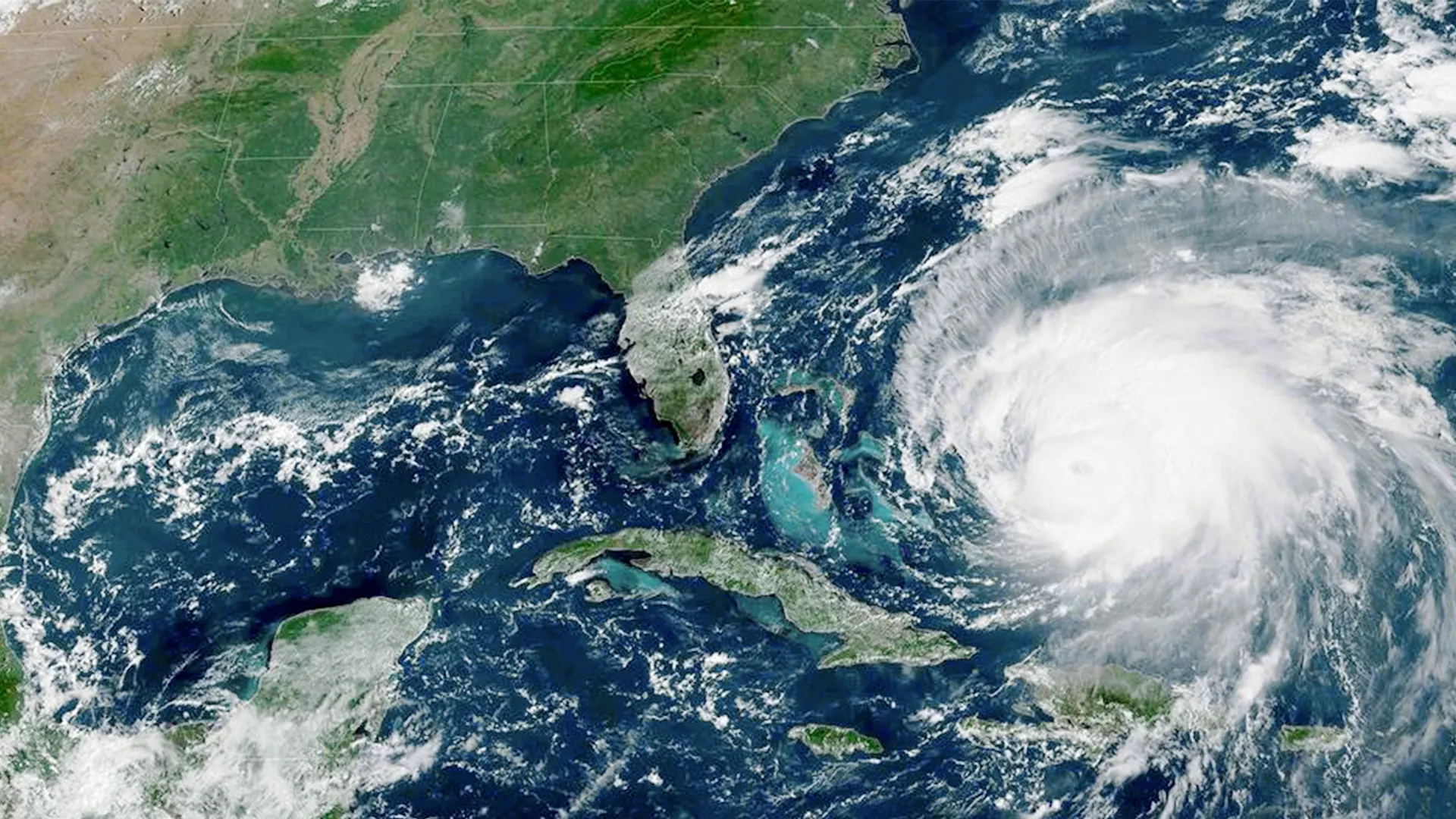
Power outages in Florida are driven largely by severe weather. Hurricanes and tropical storms frequently topple power lines and disrupt service. For example, Hurricane Irma left over 7.7 million homes and businesses without electricity in Florida, making it the largest outage from a tropical cyclone in U.S. history. Heavy winds, flooding, and even summer thunderstorms can also damage infrastructure and prolong outages.
The official Atlantic hurricane season runs June 1 through November 30, meaning the highest risk for widespread power loss falls within that period.
As we look ahead to 2026, this article outlines what Floridians should expect and how to prepare for potential outages safely and effectively.
What Usually Causes Power Outages in Florida?
Power outages in Florida are typically triggered by a combination of severe weather, environmental exposure, and infrastructure-related issues.
- Severe weather events: Hurricanes, thunderstorms, and lightning are common across the state and frequently cause widespread disruptions by damaging power lines and equipment.
- Vegetation interference: Tree limbs, palm fronds, and storm debris can come into contact with overhead lines, leading to outages or momentary power flickers.
- Equipment failure: Aging transformers, worn power lines, and components under high demand can fail, resulting in service interruptions.
- Wildlife interference: Animals that come into contact with electrical infrastructure can accidentally trigger outages.
- Salt spray in coastal areas: Salt accumulation can accelerate corrosion on electrical equipment, increasing the risk of faults over time.
2026 Power Outage Outlook in Florida
Hurricane Season Timeline
Florida’s peak outage risk aligns with the Atlantic hurricane season, which runs from June 1 through November 30, as designated by the National Hurricane Center. Tropical systems during this period can bring strong winds, heavy rain, and flooding that disrupt power across the state.
Storm activity typically peaks between August and October, with mid-September historically the most active point of the season. Residents should monitor official forecasts and advisories from the National Hurricane Center, especially during late summer and early fall when outage risk is the highest.
Florida Power Outage Maps
- Staying informed during a power outage is essential for planning next steps and estimating restoration times. Most major Florida utilities provide real-time outage maps that allow residents to track service disruptions in their area.
- Florida Power & Light (FPL) Power Tracker: Visit the FPL Power Tracker and enter your address, city, or ZIP code. The interactive map displays current outages, the number of affected customers, and estimated restoration times. Users can also report outages directly through the platform.
- Duke Energy Outage Map: Access the Duke Energy outage map to view active outages, their geographic locations, and projected repair timelines. The platform also allows customers to report outages and receive status updates.
- JEA Electric Outage Map: Navigate to the JEA outage map to see outage icons across its service territory. Clicking on an icon provides status details, and customers can submit outage reports through the same interface.
Miami Power Outages
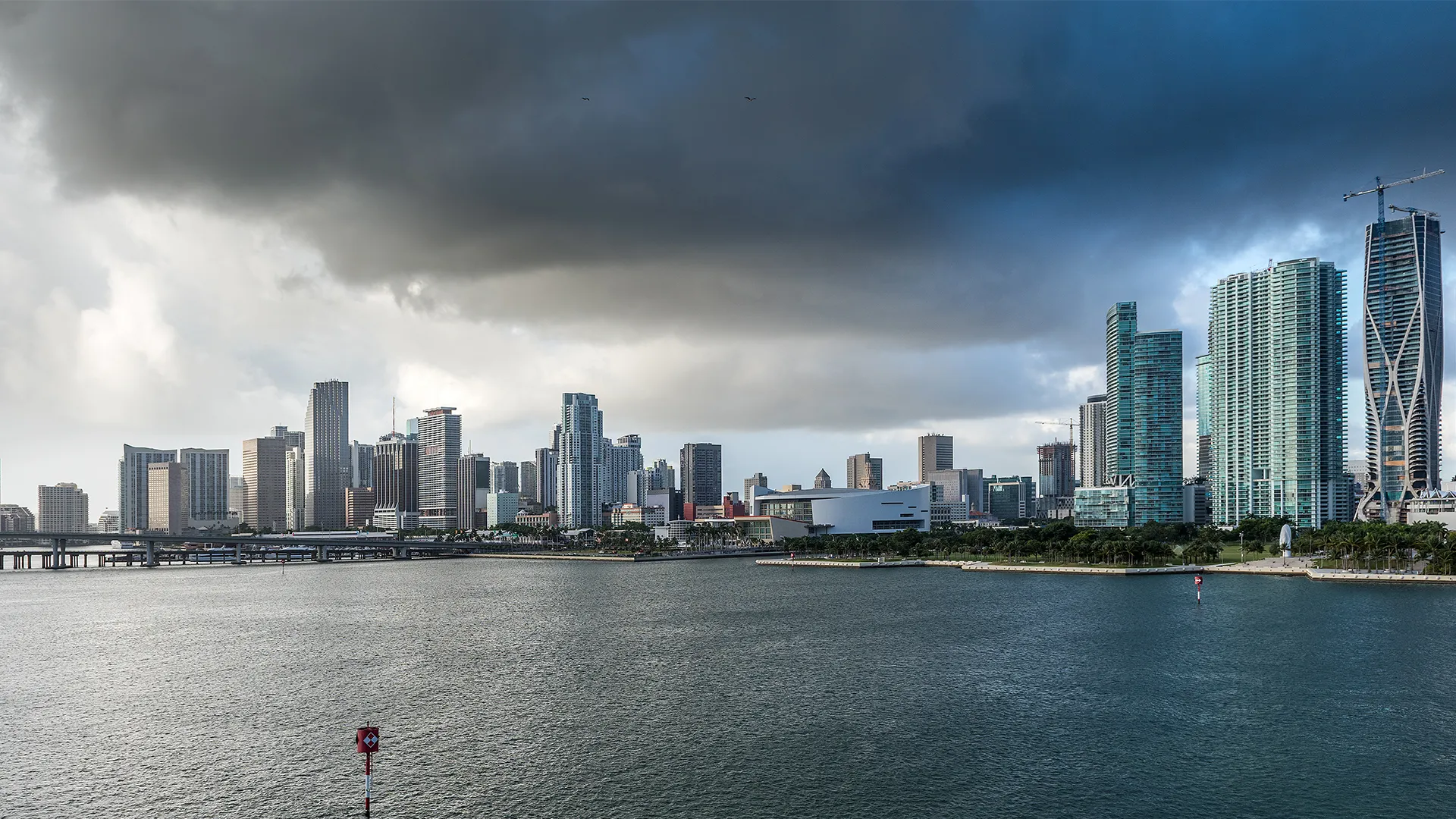
Miami’s coastal location and urban density make it highly vulnerable to weather-related stress on the grid. Even comparatively small systems such as Tropical Storm Gordon in 2018 left thousands of Miami-Dade customers without power after strong winds and flooding caused tree damage to lines.
Looking ahead to 2026, the outage outlook for Miami remains tied to broader seasonal and climate patterns. While grid reliability during calm weather remains relatively strong, severe weather events continue to be the primary driver of large-scale power disruptions.
Florida Power Outage Preparedness: Essential Safety Tips
Before an Outage
Build a 7-day emergency kit: Stock water, non-perishable food, medications, flashlights, and batteries as recommended by the Florida Division of Emergency Management.
- Charge essential devices: Fully charge phones, power banks, and medical equipment before storms arrive.
- Trim trees and secure loose items: Reduce the risk of wind damage to power lines and your property.
- Safeguard documents: Store insurance policies and important records in waterproof or digital form.
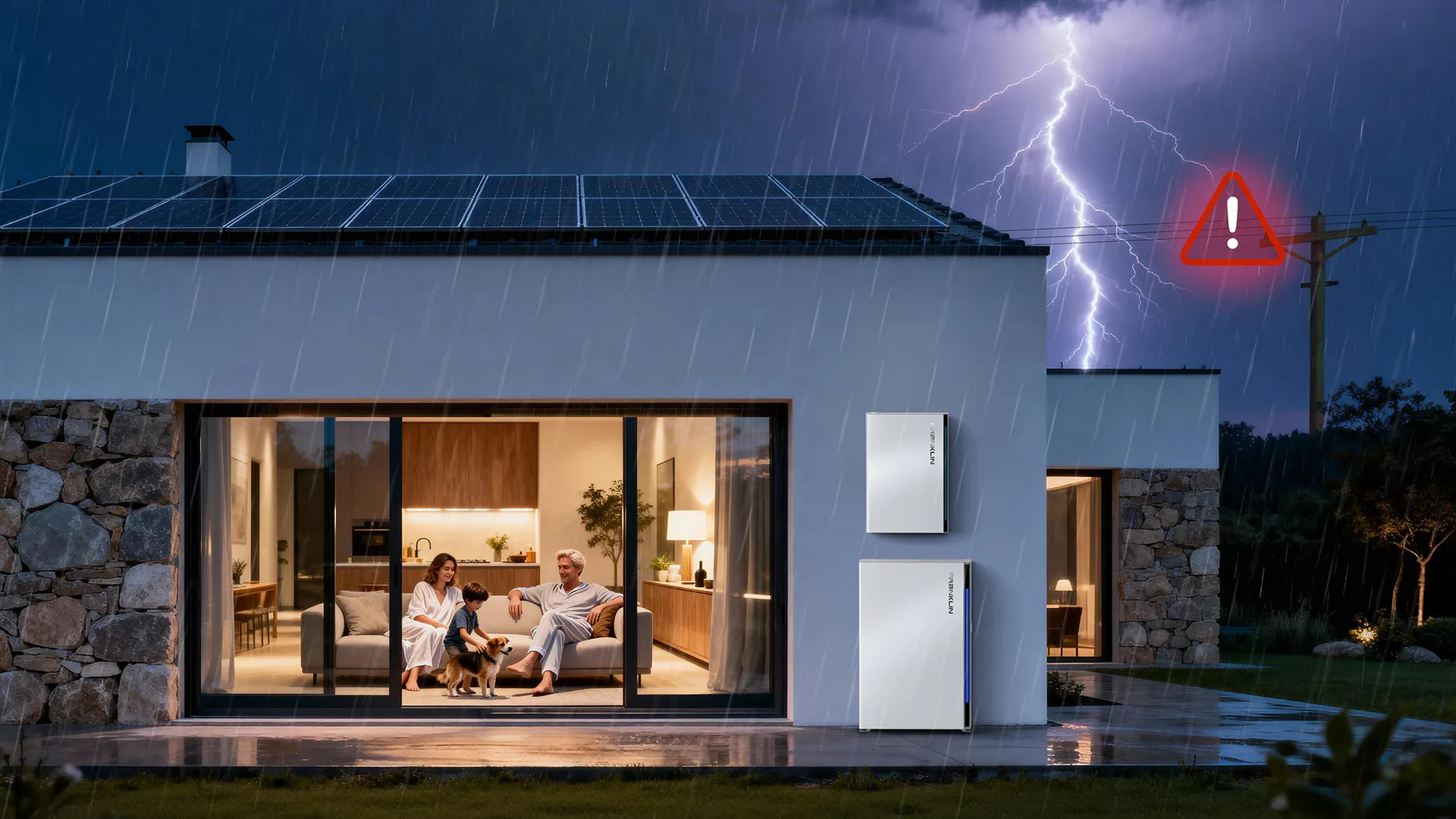
Alternatively, you can avoid much of that hassle with the FranklinWH System, which automatically switches to backup power when an outage occurs. Drawing energy from the robust 15 kWh aPower battery featuring exceptional weatherproofing capability, the system keeps your whole home powered like nothing happened.
During an Outage
Keep refrigerator and freezer doors closed: Limit openings to preserve cold air and prevent food spoilage for as long as possible.
- Use flashlights instead of candles: Avoid fire hazards by relying on battery-powered lighting rather than open flames.
- Never run generators indoors: Operate generators only outdoors and away from windows and doors, following safety guidance from the Florida Division of Emergency Management to prevent carbon monoxide poisoning.
- Stay away from downed power lines: Assume all fallen lines are live and dangerous. Keep a safe distance and report hazards to your utility provider immediately.
After Power Is Restored
- Check food safety: Discard perishable items that have been above safe temperatures for too long. When in doubt, throw it out.
- Inspect for storm damage: Look for damaged wiring, water intrusion, or debris around electrical equipment before resuming normal use.
- Reset any tripped breakers carefully: After power returns, check your electrical panel. If a breaker has tripped, switch it back to ON. Turn on major appliances gradually to avoid overloading circuits.
- Monitor utility updates: Stay informed through your local utility provider in case of rolling outages, additional repairs, or safety advisories.
Summary
In 2026, Florida’s outage risk will likely follow its familiar pattern, with the highest disruption potential during hurricane season. Preparation is the most effective defense. Building an emergency plan, staying informed, and securing your home in advance can significantly reduce risk and stress when outages occur.
For long-term resiliency, homeowners can consider a reliable home backup solution such as the FranklinWH System, which maintains power automatically and brings peace of mind when the grid goes down.
