


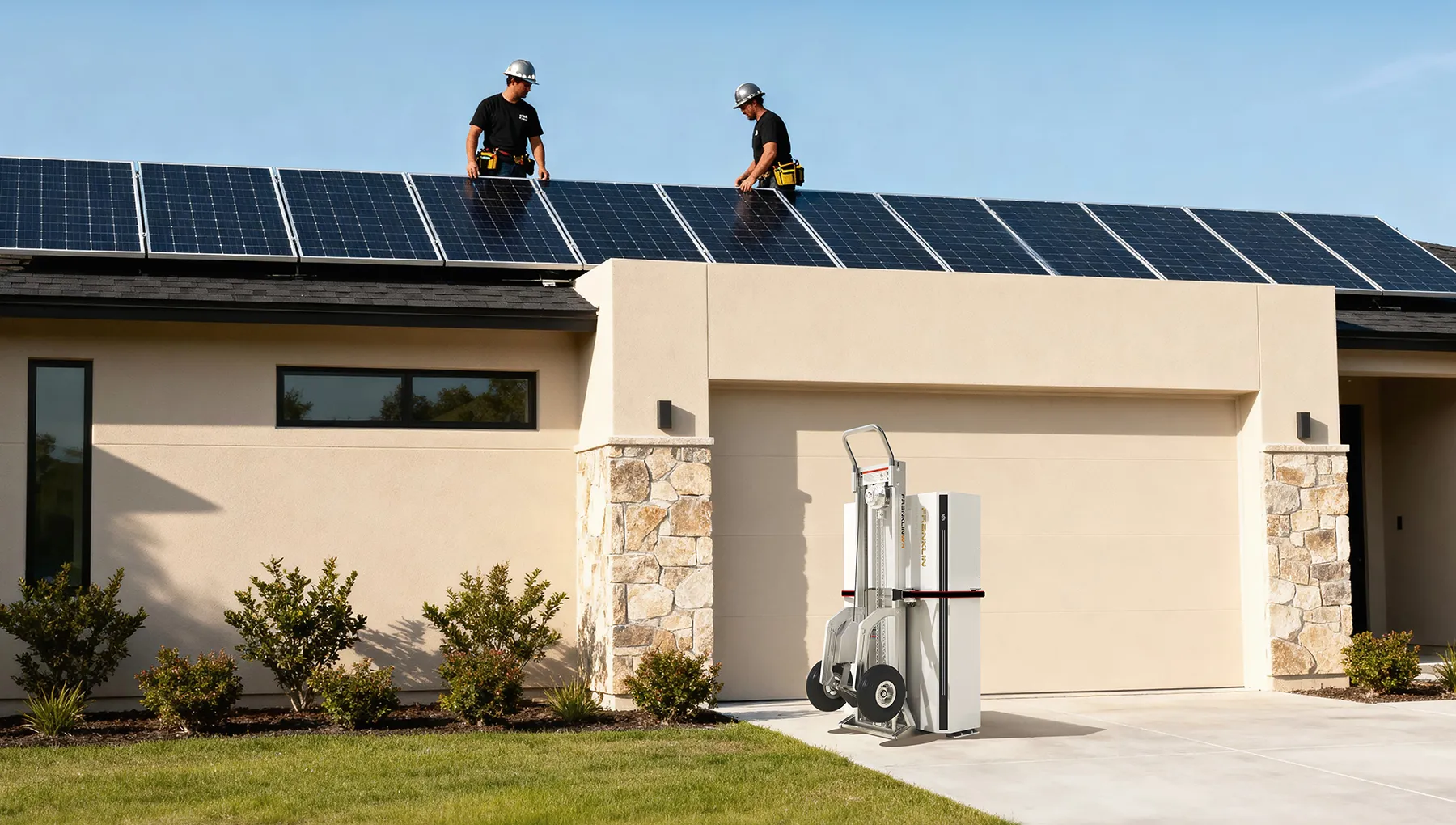
Eco-friendly home renovations offer many benefits. Homeowners can save on energy costs, improve energy efficiency, and reduce waste. Updating lighting, appliances, fixtures, and more can also add value to a property while also enhancing convenience.
So, how do you transform a house into an eco-friendly home? You can take many paths, each of which supports sustainability and cost savings.
No matter the age of your home, these upgrades can help. From smarter lighting to low-flow fixtures to storing your solar energy, you can future-proof your home to be more environmentally friendly.
Switch to High-Efficiency Lighting and Appliances
Lighting and appliances require a lot of energy. However, there are ways to ensure they are running as efficiently as possible. Those designated as high efficiency require less.
For lighting, the standard is switching to LED. They use much less energy than traditional incandescent bulbs and last longer. They also don’t contain mercury. All these reasons make LEDs a top eco-friendly home upgrade.
Another component of lighting to support eco-friendly home improvements is smart lighting. These systems give you control over how and when you use lighting. It helps you conserve energy and decrease your costs. Pairing this with energy battery storage, which enables maximum clear energy efficiency and decreases grid reliance.
Appliances can be more energy efficient, as well. Those with the ENERGY STAR label are verified to use about 40% less power than those that don’t, which can be applied to refrigerators, dishwashers, washing machines, air conditioners, stoves, freezers, and dryers.
Adopt Smart Energy Monitoring Systems
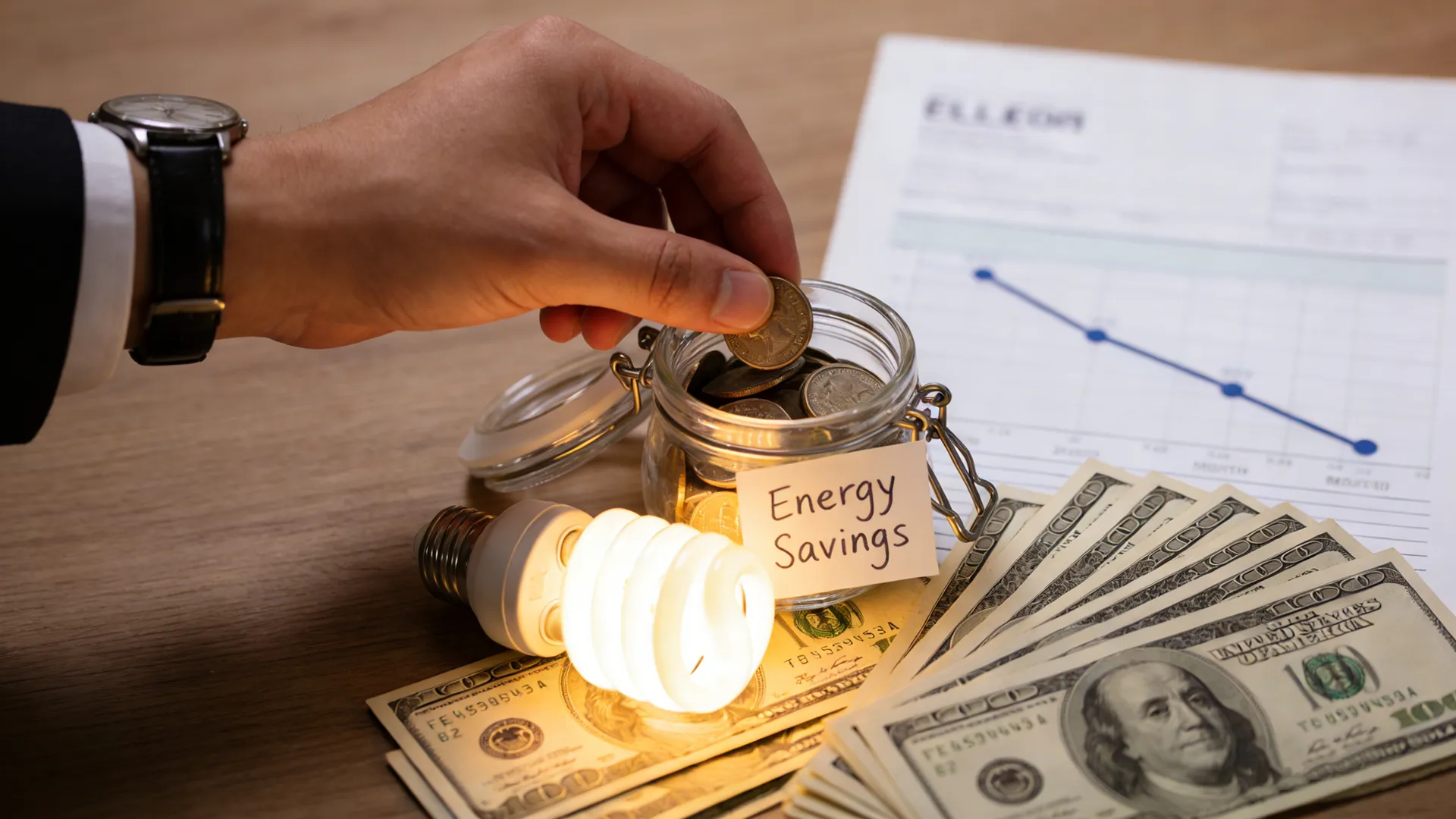
Smart energy monitoring systems refer to a device that monitors your home’s energy usage. It does so using sensors across your electrical consumption. The data generated informs you of potential areas of waste so that you can take action.
When considering eco-friendly home updates, you should definitely evaluate these systems. They are customizable to every property. There are many options for this solution. To find one that best fits your needs, look for those that are compatible with your existing appliances. Another critical assessment should involve how easy it is to use.
With a system like this, you’ll reap many benefits, including being able to optimize your energy usage, so you’re contributing to environmentally friendly practices.
Go Solar with Panels and Home Batteries
Solar-generated energy is clean and green. It’s becoming a significant area of environmentally friendly home improvements, with installations growing by 21% from 2023 to 2024. Solar panels for homes require an investment, but it’s one with a great ROI. According to analysis, solar panels save people between $37,000 and $148,000 over 25 years.
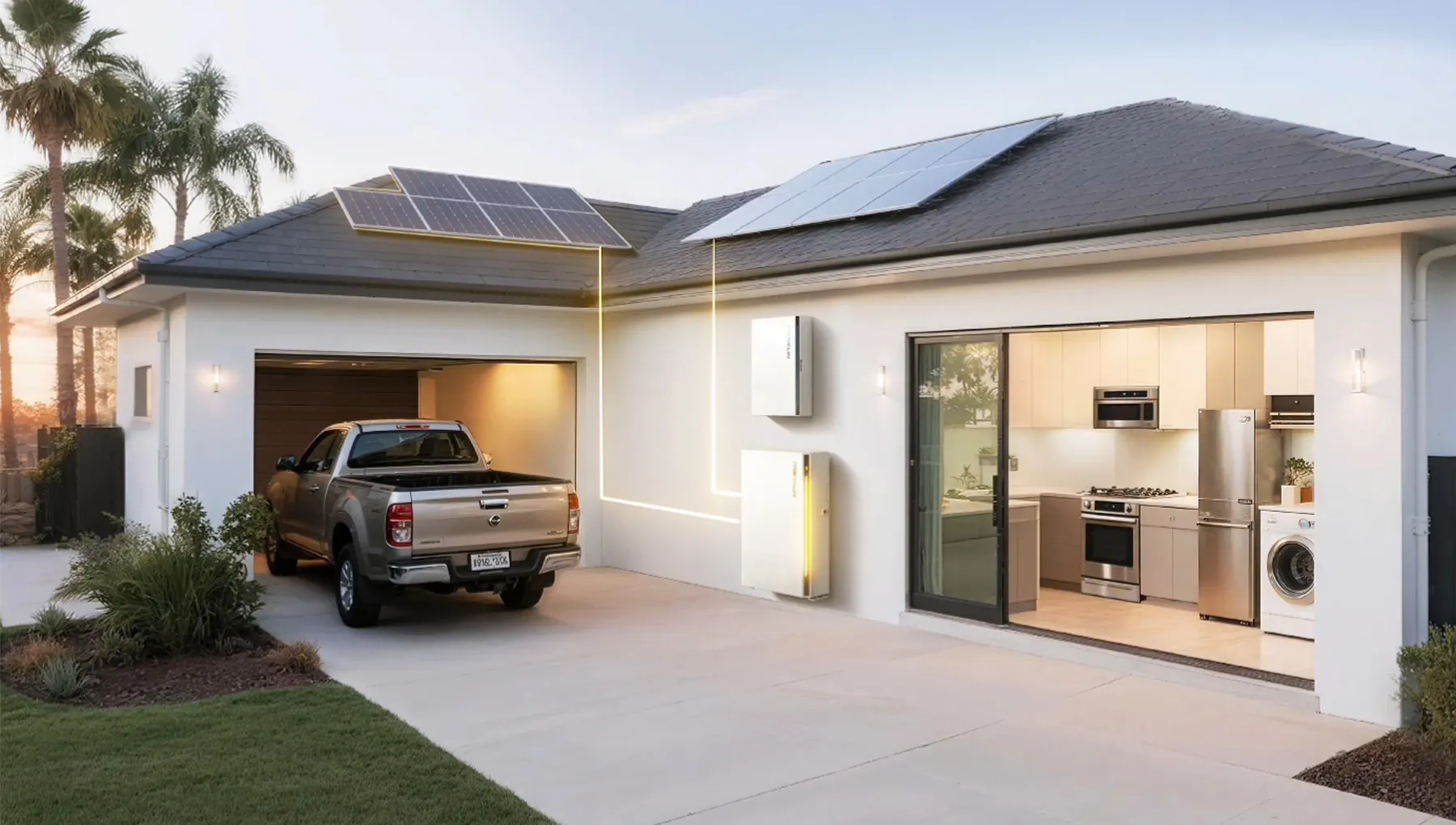
With solar energy, you can generate enough electricity that you’ll need no or minimal grid reliance. Adding these to your home is only the first part of being an eco-friendly home. There’s also the need for home batteries to store solar-generated energy.
Solar battery storage provides a backup solution in the event of a power outage. These systems have a backup gateway to disconnect from the grid, enabling energy independence. Not having a battery means that a portion of your solar electricity transfers to the grid.
With solar battery storage, you are saving what the sun creates for later use. The excess should be yours to keep, which reduces your costs and assures you stay as green as possible in your energy usage.
Reduce Water Waste with Efficient Fixtures
Is your home wasting water? Probably, unless you have efficient fixtures. Water is finite, and conserving it is critical, no matter your climate.
Updating fixtures provides an easy, low-cost, eco-friendly home renovation. These low-flow fixtures achieve water savings by lowering the flow rate of water. They include faucets, showerheads, and toilets.
You may not realize this, but your toilet is wasting a lot of water. They consume up to 30% of your home’s total water use. By replacing these, you can dramatically reduce this.
You can also install faucet aerators. They work by mixing air into the water stream, which restricts flow. They are especially effective in reducing water waste around handwashing, dishwashing, and brushing teeth.
A smart showerhead provides a way to control water output. Some can also deliver data on water usage and automatically adjust temperature.
Senor-activated fixtures are another option for faucets and toilets. They are mostly found in commercial or public spaces, but they can work for residential properties, too.
To determine what water eco-friendly house renovations are right for you, request a water audit by professionals. You can then gather information to make the best choices for conserving water in your day-to-day life.
Improve Insulation to Lower Heating and Cooling Costs
Insulation is another target for eco-friendly home renovations. It deteriorates over time, which means your HVAC has to work harder to heat and cool your home. If you have an older home, it’s a good idea to check the insulation. If it’s deficient, use a spray foam to seal cracks and gaps.
By sealing and insulating, the EPA (Environmental Protection Agency) estimates you can save 15% on cooling and heating bills.
Besides the savings and the reduced strain on your HVAC, proper installation has comfort benefits, including:
- Noise reduction
- Less pollen and insects entering your home
- Greater humidity control
- Reduced risk of ice dams on roofs
When identifying ways to improve your insulation coverage, you’ll want to focus on sealing air leaks first. Attics and basements are usually prime areas for heat loss, so don’t overlook them. Inspecting insulation periodically allows you to be proactive.
Final Thoughts on Top Eco-Friendly Home Upgrades
Now that you know how to make eco-friendly renovations, it’s time to act. Assess all these options to determine which ones you can easily implement. Start by identifying gaps and setting a budget. Do your research on appliances, smart energy systems, and home batteries.
Each update you make contributes to creating an eco-friendly home. You’ll reduce costs and waste while maximizing clean energy consumption. For more insights and tips, read our post on home energy management systems and how they work.
