


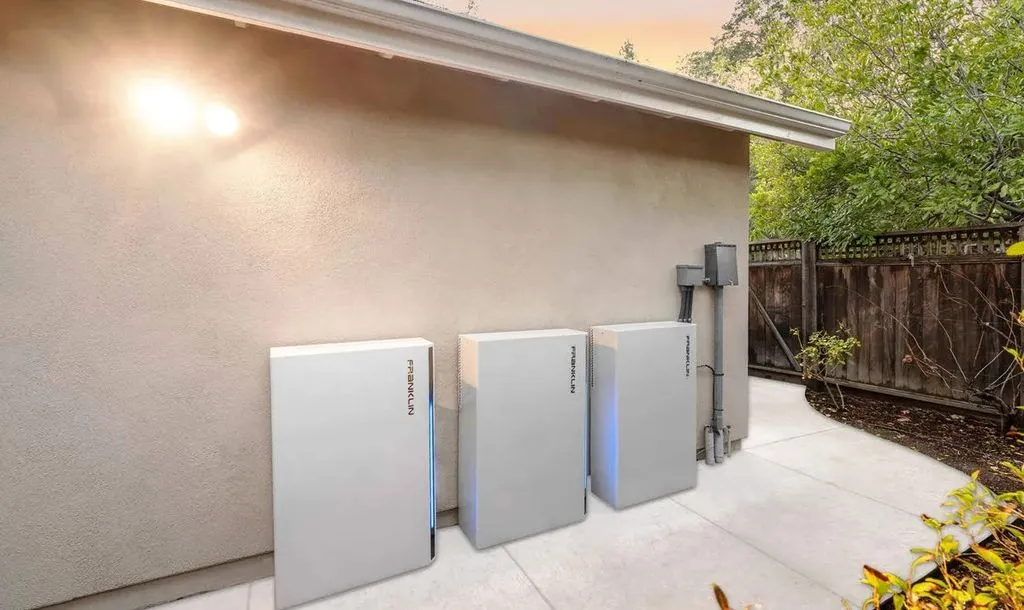
The solar incentive landscape in California has officially shifted. As of January 1, 2026, the federal Investment Tax Credit, long a cornerstone of residential solar savings, has expired for homeowner-owned systems.
However, one critical program remains: California's Self-Generation Incentive Program (SGIP). Now the state's most significant remaining incentive for energy storage, SGIP helps homeowners offset the cost of battery systems just when they need them most, particularly under NEM 3.0, where storing solar power is key to maximizing savings.
SGIP is a California Public Utilities Commission rebate program that encourages energy storage installation to reduce emissions, strengthen grid reliability, and provide backup power during outages.
This guide covers everything you need for 2026: current rebate amounts, eligibility requirements, qualifying technologies, the application process, and key program changes taking effect this year.
SGIP Rebate Amount
The incentive amount varies depending on the customer type, project location, and the type and size of the system installed.
| Categories | Eligibility | Rebate Amount |
| Small Residential Storage | Standard residential customers | $150 to $500 per kWh |
| Large-Scale Storage | For large systems only (>30 kWh) | $250 to $500 per kWh |
| Equity Resiliency | High-fire threat districts (Tier 2/3) or 2+ public safety power shutoff (PSPS ) events, plus one additional criterion (medical baseline, low-income, etc.) | $1,000 per kWh |
| San Joaquin Valley Pilot | Only 11 designated communities in the San Joaquin Valley | $1,100 per kWh |
| Non-Residential Equity | For small businesses and community buildings | $850 per kWh |
| Residential Solar & Storage Equity (RSSE) |
Low-income residential households that install solar + storage only |
$1,100 per kWh for battery, $3,100 per kW for solar |
| Generation | Includes wind and fuel-based systems | Up to $2,000 per kW |
For more detailed information, check the official 2025 SGIP Handbook.
Who is Eligible for SGIP in 2026?
Customer Types
Both residential and non-residential customers qualify, including commercial, industrial, and critical facility accounts. Here are important eligibility notes:
SGIP is available only to customers of California's four major investor-owned utilities: PG&E, SCE, SDG&E, and SoCalGas.
- Renters need written approval from the owners.
- Low-income households must show income documents or be in certain programs.
- For multifamily buildings, some SGIP programs (especially RSSE) require multifamily properties to have at least five rental units, and meet low-income housing requirements or be in disadvantaged communities.
- For non-profits and schools, getting higher incentives may require serving low-income or disadvantaged populations.
- Small businesses must be in a low-income or wildfire-prone area.
- Large companies can apply under general budgets only.
Important Note on Budgets
Tier budgets, especially for Equity and Equity Resiliency, can exhaust quickly and may operate on a waitlist. Always verify current funding status with your Program Administrator before applying.
What Technologies are Eligible?
Primary Focus: Energy Storage
In 2026, SGIP is overwhelmingly focused on battery storage. Eligible technologies include:
- Grid-tied lithium-ion battery systems.
- Advanced energy storage systems.
- Portable power stations that meet program requirements and are permanently installed.
Paired Systems
Under current SGIP rules, solar panels by themselves typically do not qualify for a rebate. SGIP primarily incentivizes energy storage systems, and only specific budget categories (such as the RSSE incentive) provide additional solar incentives when the PV system is installed together with a qualifying battery.
Legacy Technologies
The SGIP program originally supported distributed generation technologies such as wind turbines and fuel cells. Over time, it shifted its focus toward reducing greenhouse gas emissions. Since 2020, the program has prioritized energy storage, with most incentives now supporting battery systems rather than traditional generation technologies.
System Size Limits and Incentive Caps
SGIP incentives are based on a battery’s usable capacity (kWh) but are subject to program limits.
- Typical residential limit: Incentives usually apply to up to about 30 kWh of battery capacity for standard residential projects.
- Expanded resiliency eligibility: Households that qualify for resiliency programs may receive incentives for systems up to about 80 kWh.
- Cost cap rule: SGIP incentives cannot exceed the total installed cost of the system.
Sample Project Rebate: FranklinWH System with aPower S
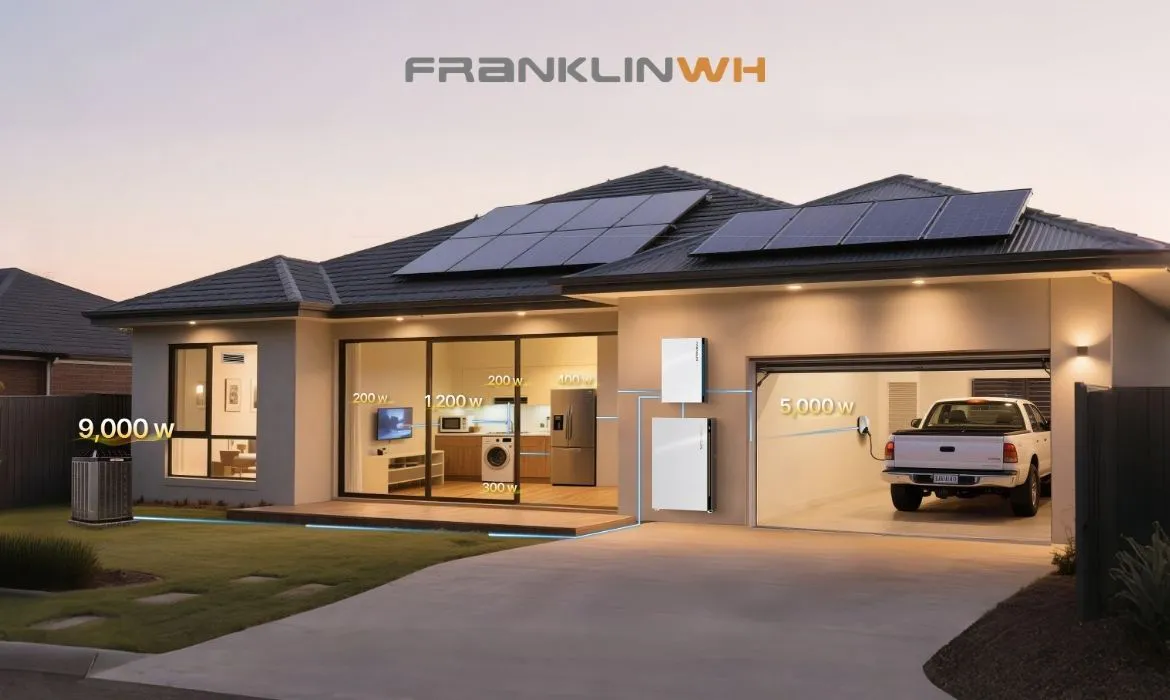
Let's use the FranklinWH aPower S to illustrate how SGIP rebates apply in real-world scenarios. This 15 kWh home battery integrates with solar panels for whole-home backup and intelligent energy optimization.
As the FranklinWH System with an aPower S pairs with solar, if it’s owned by a low-income household, it can fall under the RESS budget category.
| System Component | Unit Size | RSSE Incentive Rate | Estimated Rebate |
| FranklinWH aPower S (Battery Storage) | 15 kWh | $1,100 per kWh | 15 × $1,100 = $16,500 |
| Paired Solar System | 10 kW | $3,100 per kW | 10 × $3,100 = $31,000 |
| Total Potential RSSE Rebate | — | — | $47,500 |
For an Equity Resiliency qualifying household (high fire district + low income or medical baseline):
| System Component | Unit Size | SGIP Rebate (Equity Resiliency) | Total Incentive |
| FranklinWH aPower S | 15 kWh | $1,000 per kWh | 15 × $1,000 = $15,000 |
Note: For Equity Resiliency Customers, the incentive applies to storage only.
If the same battery system does not qualify for equity-level support, the rebate comes from the small residential storage budget, offering approximately $2,250 – $4,500 depending on the current SGIP step level.
Larger Systems: For households with higher needs, such as those in high fire districts, with medical baseline requirements, SGIP allows rebates up to 80 kWh. An Equity Resiliency household installing three FranklinWH aPower S units (45 kWh total) could receive:
45 kWh × $1,000 = $45,000
The FranklinWH System scales with your needs, and as this example shows, SGIP scales right alongside it for those who qualify.
Please note that the figures above are only estimates, and actual SGIP incentives cannot exceed the total installed system cost. Additionally, for larger systems (>30 kWh), the applicable kWh for SGIP incentive is determined based on a household’s historical electricity usage, not arbitrarily chosen by the homeowner.
How to Apply for the SGIP Rebate
Step 1: Find a Professional Installer
Work with a qualified installer. Use the California Public Utilities Commission (CPUC) Find an Installer tool to locate approved professionals.
Step 2: Eligibility Check & System Design
Your installer determines your rebate category and designs an appropriate battery storage system.
Step 3: Submit Reservation Request Form (RRF)
This secures your incentive funds before installation. Your installer submits it with required documentation.
Step 4: Installation
The qualifying battery storage system is installed.
Step 5: Submit Incentive Claim Form (ICF)
After inspection, your installer submits this form to trigger payment.
Summary
With the federal tax credit expired, SGIP is now California's most critical incentive for energy storage. For Equity Resiliency or RSSE households, this means a battery system at almost zero cost, getting backup power and energy freedom with minimum upfront expense.
But funds are limited, and waitlists fill quickly.
Act now: Check your eligibility, avoid scams, and contact a qualified installer before the budgets run out.
