


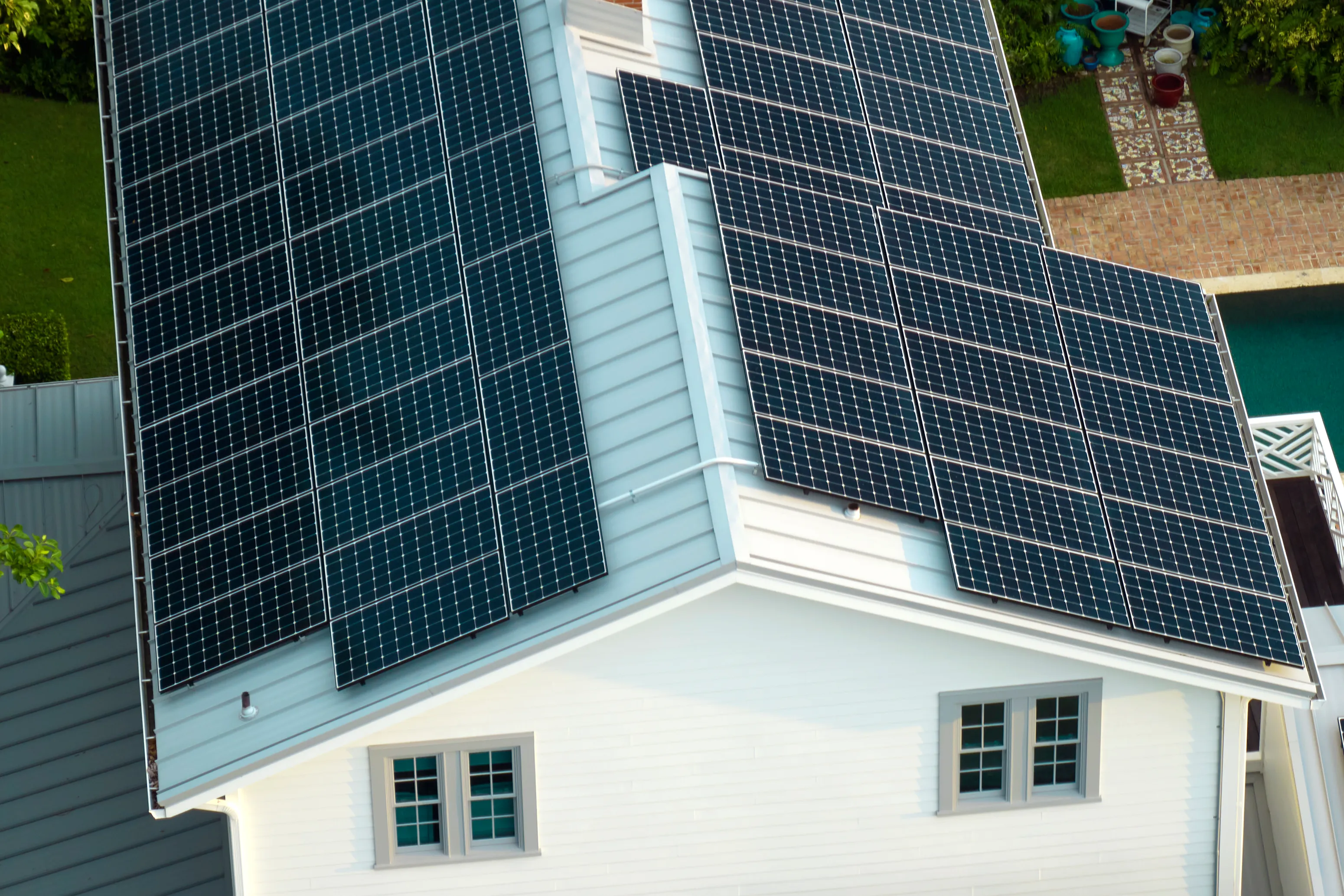
Buying solar panels for your home is a considerable investment, so it’s smart to do your research before making such a big financial investment. One of the first questions you’ll likely have is: “How much energy does a solar panel produce?”
After all, your goal is to ensure that your new solar system covers most or even all of your energy usage . To do that, you’ll want to understand the basics of solar panel output.
However, keep in mind that solar panel energy generation is only one piece of the puzzle when it comes to designing an effective home energy management system.
How Many Watts Does a Solar Panel Produce?
Today’s residential solar panels typically produce between 400 and 460 watts of power. Think of solar panel wattage as a car’s horsepower rating. It tells you the panel's capacity to generate electricity at any given moment under ideal conditions. In a perfect laboratory setting with bright sunshine and optimal temperatures, a 400-watt panel pumps out 400 watts of continuous power.
You may have noticed when looking at your energy bill, however, that your electric company doesn’t measure your power usage in watts. It measures in kilowatt-hours (kWh). Don’t let the technical term intimidate you. A kilowatt-hour is simply 1,000 watts of power used for one hour. For example, if you run a 1,000-watt microwave for an hour, it’ll use one kWh. When we look at watts vs. kWh, it’s the difference between how fast you’re using energy (watts) and how much total energy you’ve used (kilowatt-hours).
How does this relate to solar panel energy output? A 400-watt panel generating power for five hours of good sunshine produces about 2 kWh of energy per day. Multiply that by 30 days, and you’re looking at roughly 60 kWh per panel each month.
Since the average American household uses about 855 kWh monthly, you can start to see why most homes need multiple panels (the average is 15 to 19 panels) and why understanding these numbers matters when planning your solar investment.
What Factors Affect Solar Panel Output?
You obviously don’t live in a lab, which means that when it comes to your solar panel energy generation, your mileage (or wattage) may vary. Understanding the major factors that impact the efficiency of your solar panels will help you design a better solar generation system for your home.
Type of Solar Panel
Not all solar panels are created equal. Polycrystalline solar panels are known for their signature blue color and competitive price point, but they’re also less efficient, ranging from 13 to 16% efficiency.
These days, most homeowners choose monocrystalline solar panels. While they do have a higher price point than polycrystalline panels, they also offer an efficiency rate between 15 and 24%, making them a better deal in the long run for most customers.
Peak Solar Hours
Your real estate agent was right. When it comes to how much power your solar panels produce over time, it’s all about location, location, location. Or, more accurately, on how many peak sun hours your region experiences.
States such as Arizona, Nevada, and New Mexico enjoy seven or more peak sun hours a day on average, while Ohio, New York, and Pennsylvania barely manage four. Unsurprisingly, the fewer peak sun hours your area receives, the more solar panels you’ll need to generate the same amount of energy as a system in an area with more peak sun hours.
Your Roof
For anyone living in the Northern Hemisphere, the best place to install solar panels is a southern-facing roof (ideally with a 30-degree tilt). This setup will maximize the amount of sunshine your solar panels receive. Don’t worry if your roof isn’t perfect. East and west-facing installations can still capture energy, just with a different peak production time.
Shade from trees and nearby buildings that hits your roof can also lower the output of your panels, so it’s important to carefully choose the location of your panels.
Weather
You may love the muted colors that overcast days bring, but your solar panels don’t. Cloud cover won’t stop your solar panels from generating energy, but they’ll dramatically lower their generation output. That means that homeowners in shadier parts of the country, such as the Northwest, may need larger solar panel systems to generate enough power to cover their energy needs.
Putting It All Together
Not sure how all these factors play into how much energy your solar panels produce? That’s understandable. After all, you can’t be expected to know how many peak sun hours your home receives or how the particular weather patterns in your neck of the woods will impact your average solar generation.
An experienced solar panel team should be able to do all the calculations for you, starting with determining how much energy your home uses on average each month. Once they calculate your household’s energy footprint, they can design a system tailored to your roof, weather, and location.
Is Solar Power Enough for Your Home?
Now that you understand how much electricity solar panels generate and all the factors that could impact your system’s generation, let’s confront an important fact. Even the best-designed solar system only works when the sun shines.
While your panels might generate plenty of power at noon, what happens during dinner when the sun has set, and everyone’s at home using electricity? This is where solar energy battery storage can be the perfect partner to your solar panel system.
A solar energy storage system can allow your solar panels to keep producing electricity even when grid fails and capture excess solar energy that your panels generate at peak hours and store it for use at night, on cloudy days, or during power outages, as this can dramatically improve the overall efficiency of your solar panel system.
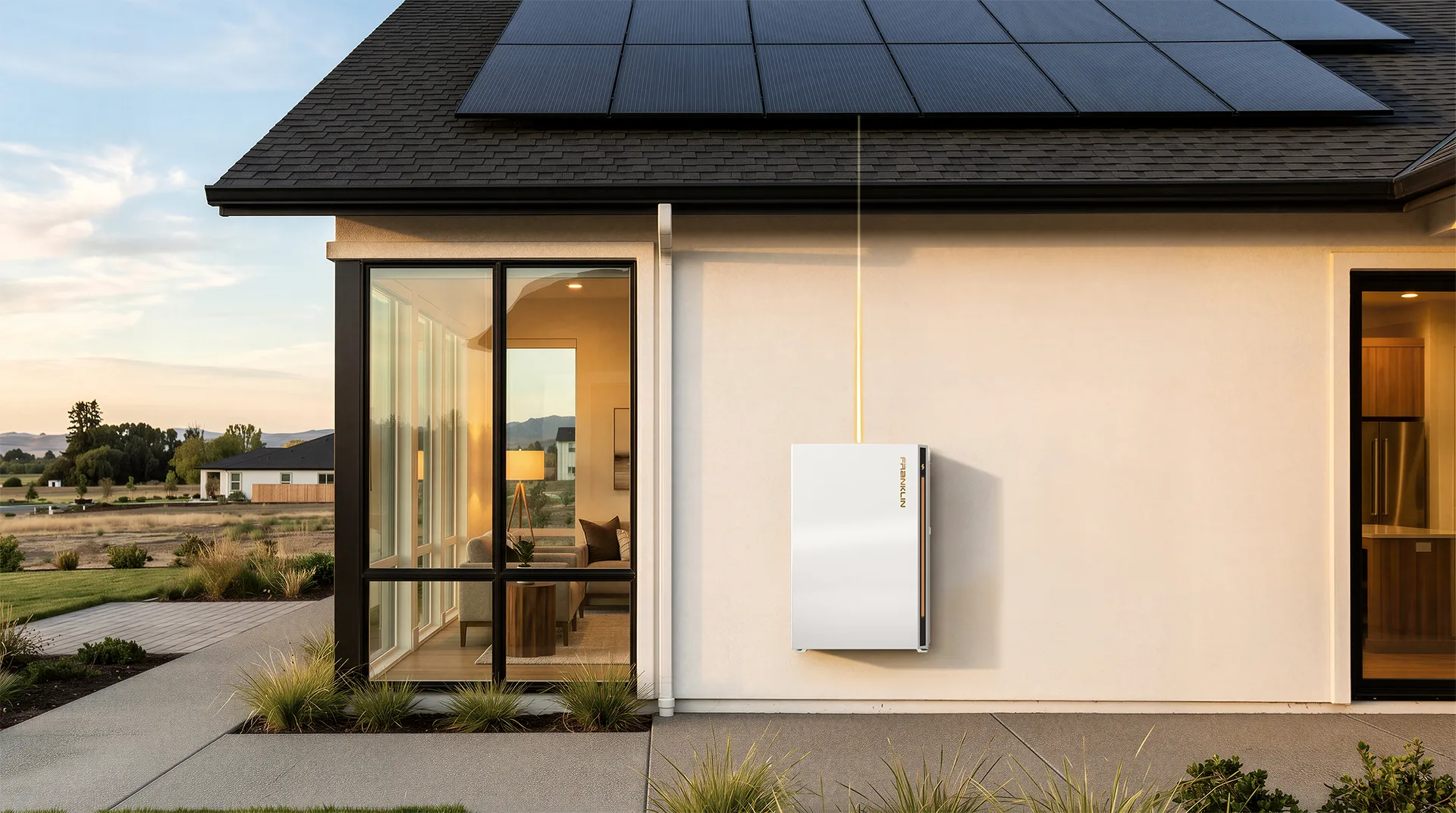
Want to go a step further? Invest in a home energy management system that knows exactly when to store energy, when to use it, and when to pull energy from the grid during off-peak hours so you get the biggest bang for your buck.
Understanding solar panel output is just the first step toward energy freedom. The FranklinWH System, our intelligent home energy management system with solar energy battery storage, can help you capture every ray of sunshine and use it when you need it most. Don’t let your solar panel investment go to waste when the sun sets.
Request a no-pressure consultation today to learn how FranklinWH can transform your solar panels into a complete energy solution.
