


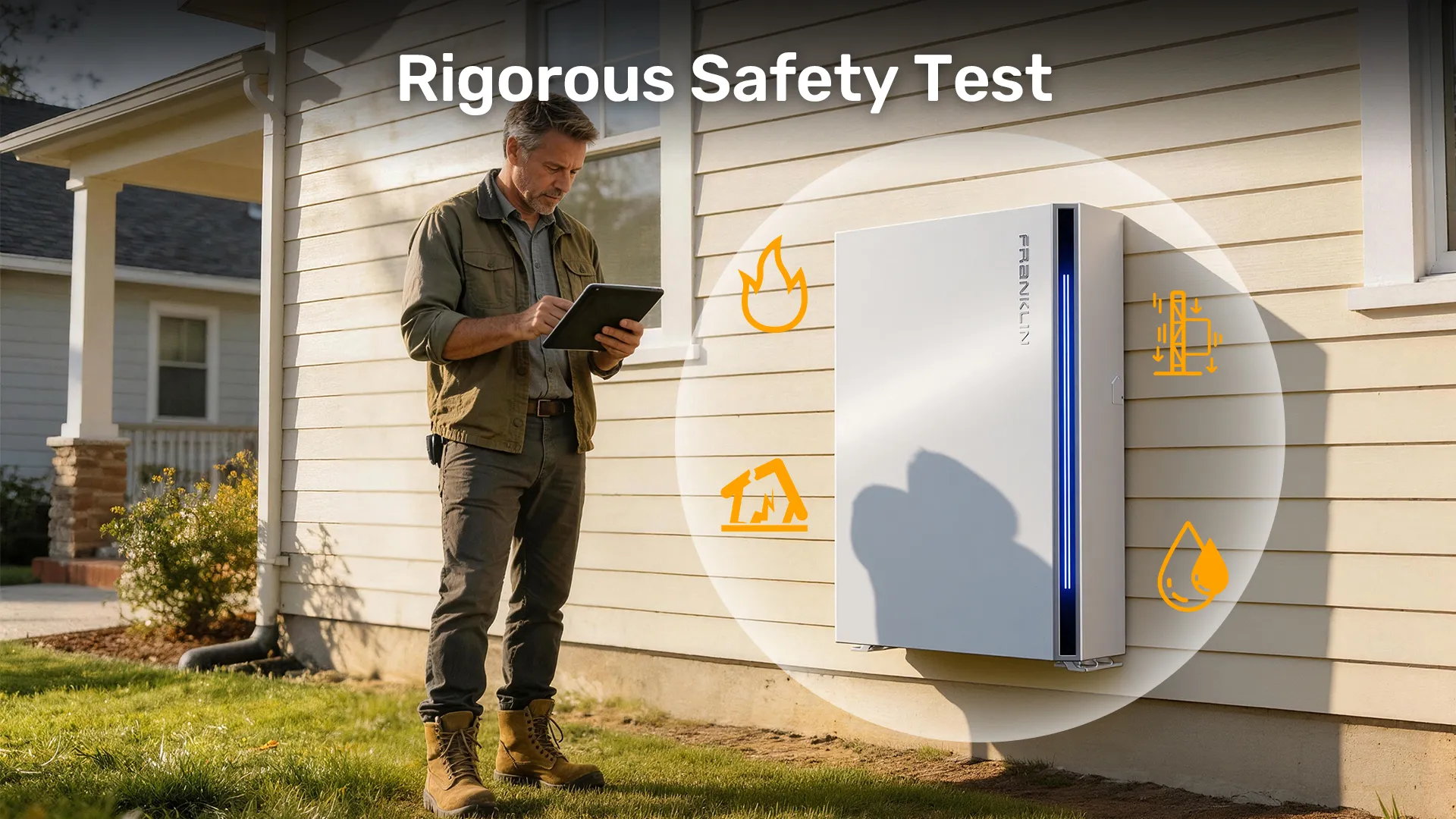
The FranklinWH aPower combines an advanced battery management system (BMS) with an architectural design to ensure exceptional safety. However, strong design alone isn’t enough. Every system has to validate its safety through rigorous, real-world stress testing. Think of it as a pilot. Mastering the skills is only part of the journey. You’ll have to pass tough tests to obtain eligibility.
FranklinWH has put the aPower through numerous tough tests, “abusing” the system in controlled environments to gain a proven safety record before it ever reaches a home.
This article will walk you through two demanding tests, helping homeowners understand how the aPower safely conquers real-world extremes.
Thermal Runaway Tests: Evaluating a Major Battery Internal Safety Risk
Thermal runaway is one of the critical safety problems in lithium batteries. It happens when heat inside a battery spirals out of control.
Single-Cell Thermal Runaway Spreading Test
In real life, many battery incidents start with a single-cell failure, so engineers intentionally create a failure in just one cell, and then check whether the damage spreads to nearby components or parallel battery modules.
Think of this as an EV in a crowded parking lot developing an electrical fault. The test checks whether the problem can be quickly contained within that one vehicle, instead of spreading and putting nearby cars at risk.
Approach
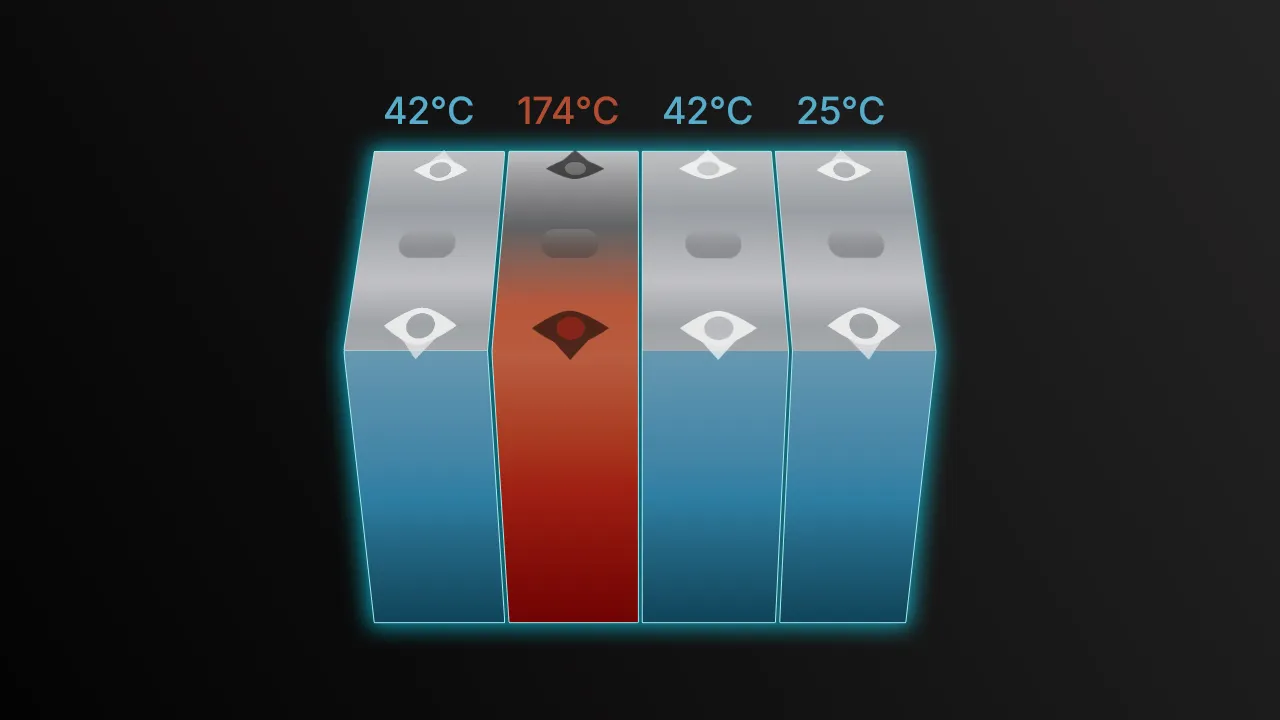
This test involves heating one cell inside a single aPower unit until it enters thermal runaway. While that cell is failing, engineers observe the temperatures and behaviour of the nearby cells. The results illustrate that:
- Only the two neighbouring cells were slightly affected.
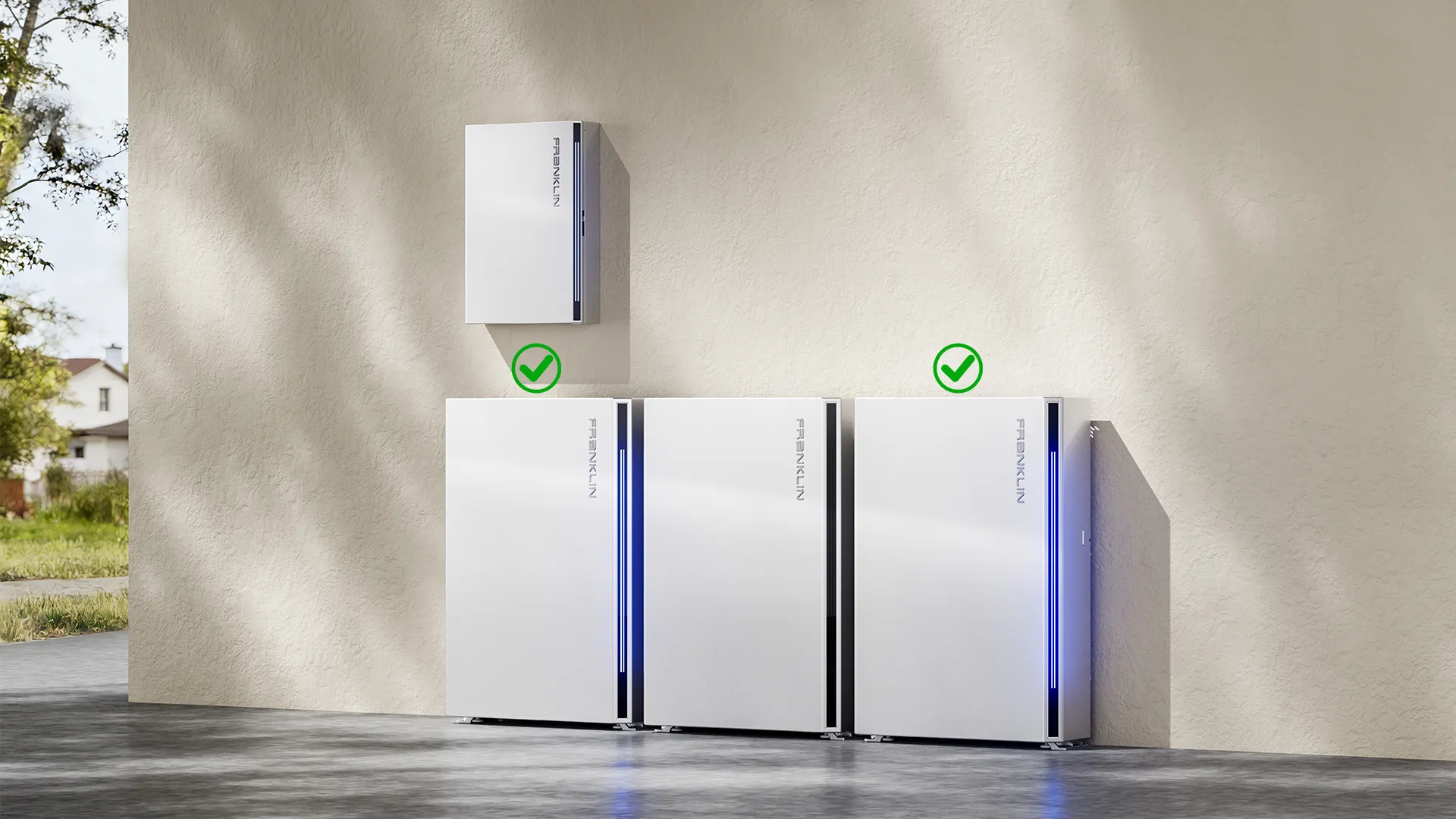
- Another battery system, placed 10 cm away and wired in parallel, was unaffected and didn’t suffer any damage.
The test suggests when one cell was pushed to its limit, the heat could be effectively contained and stayed mostly local, rather than triggering a chain reaction across the whole battery or nearby systems.
Key Design Factors in Preventing the Thermal Runaway Spread
Apart from the software, the aPower’s ability to contain a problem inside one battery cell benefits from several key structured safety features specifically designed for extreme conditions:
- High-temperature insulation materials, withstanding up to 1000° C, are placed between cells to minimise heat transfer.
- An integrated die-cast aluminum-alloy housing provides effective physical isolation between battery units.
Repeated Internal Ignition Simulations
When a single battery cell goes into thermal runaway, it can release flammable gases as the chemicals inside break down. To ensure the whole system stays safe even in this extreme situation, FranklinWH conducts ignition tests that simulate what might happen if something inside a pack, such as an electrical arc, produces a spark.
Approach
In this test, engineers take a battery pack of aPower that had already gone into thermal runaway and then perform ten deliberate ignition attempts inside it, spaced ten minutes apart, to see whether any sparks would ignite the gases inside the battery. The result indicates that:
- No fire broke out
- No explosion occurred
- Internal pressure stayed under control
This means that during out-of-control heating, even if an electrical arc occurs and produces a spark inside the pack, it won’t ignite the flammable gases and start a fire.
Key Design Factors in Preventing the Internal Gas Ignition
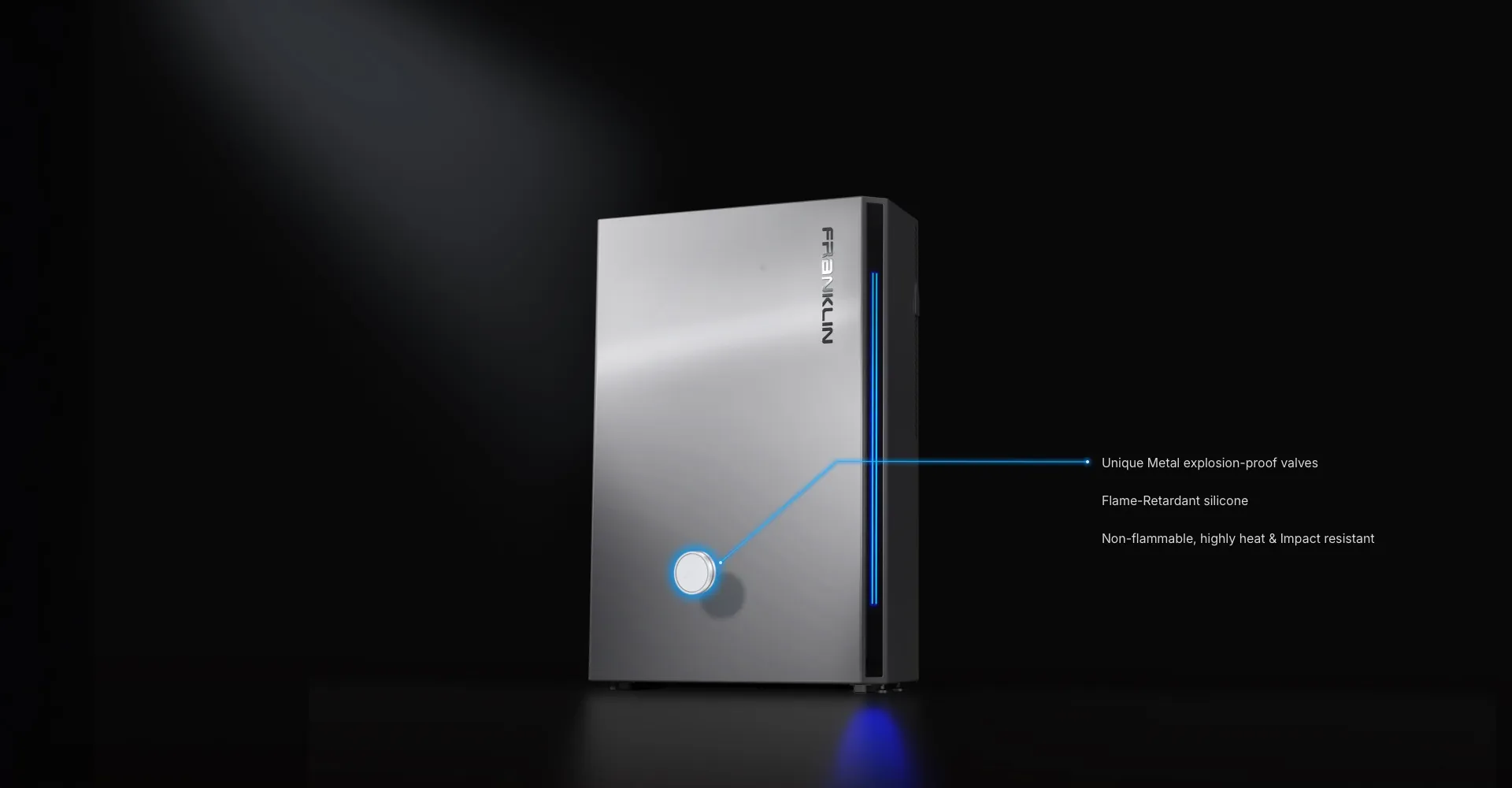
The FranklinWH System leverages a leading-edge anti-explosion valve to keep things under control. As part of the system architecture, the design enables safety protection in several ways:
- When internal pressure rises, the valve automatically releases gas to avoid over-pressurising.
- Once pressure drops, it closes again, preventing outside oxygen from getting in.
- Unlike one-time vents, it can operate repeatedly, handling multiple pressure events.
External Fire Exposure Test: Evaluating Resistance to Outside Flames
In addition to internal risks, battery systems also need to handle external fires or extreme heat, because real-world dangers can come from the surrounding environment. Think of an EV parked in a lot. Even if your own car is perfectly fine, it still needs protection if another EV nearby catches fire.
When lithium batteries get very hot, the cells can expand, creating strong mechanical stress on the battery’s components and structure. If the battery structure isn’t designed to properly handle that stress, several problems can occur:
- The housing or internal frame can warp or deform.
- Electrical connections may loosen or fail.
- Internal parts may shift, increasing the risk of short circuits.
Approach
For this test, the aPower is placed directly into a controlled flame for 30 minutes to simulate an extreme fire scenario. The idea is to see whether the battery would go into uncontrolled thermal failure, explode, or make the fire worse.
The test results illustrates that:
- The battery did not explode or go into an aggressively uncontrolled failure at any point.
- After being taken out of the fire, the battery self extinguished within only five minutes.
- Under the intense heat, the cells did swell and the internal protective structure shifted slightly, but the battery as a whole remained intact.
This suggests even when subjected to a very harsh fire environment, the aPower system stays controlled, without blowing up or becoming a new source of fire.
Key Design Factors in Withstanding Flame Exposure
The aPower’s superior ability in resisting external fire is attributed to several key structured features built into the battery’s overall architecture:
- Integrated die-cast aluminium-alloy structure limits mechanical stress from cell swelling.
- Top grade flame-retardant casing materials protect the battery from external fire sources
- The aPower is deliberately designed with extra space inside that lets the cells safely expand under heat, so critical electronics don’t get crushed by excessive stress.
Conclusion
Battery safety isn’t just about everyday use. It’s about how the system behaves in extreme cases too. Safety testing, such as thermal runaway and external fire exposure, is designed to push a battery system far beyond normal conditions so engineers can see whether it stays stable and controllable when facing extremes.
For homeowners, that means a system that’s been proven in these tough tests is more likely to stay safe and predictable, even under extreme conditions.
