


With an unexpected power outage, everything comes to a halt. Whether it lasts a few minutes or several hours, a power outage quickly reminds us how much modern life depends on a stable electricity supply.
Across Australia, power outages can be a normal part of how the electricity network operates. While outages can feel frustrating, they are often part of a broader system complication; sometimes planned maintenance or upgrades, and sometimes extreme weather, equipment faults, or other external events are to blame.
The reality is that outages are not rare, and they can happen with little warning. Understanding why they occur, and how to respond, can make a significant difference in how you experience them. In this guide, we’ll break down the common causes of outages in Australia, share practical safety tips, and explore how you can better prepare for future disruptions.
Common Causes of Power Outages in Australia
High Electricity Demand and Grid Stress
During heatwaves or cold snaps, electricity demand can rise sharply as more households use A/C, heating, and other appliances. When the network is placed under heavy strain, local outages or controlled interruptions can sometimes occur to protect the broader system and prevent larger failures.
Severe Weather
Severe weather is one of the most common causes of outages in Australia. Storms, strong winds, lightning, heavy rain, flooding, bushfires, and extreme heat can all damage poles, wires, substations, or other critical infrastructure. In many parts of the country, weather-related outages are a regular risk, especially during summer and major bushfire periods.
Vegetation and Tree Contact
Branches, debris, or entire trees falling onto power lines can interrupt the electricity supply, particularly during high winds or storms. In areas with overhead lines, vegetation remains an ongoing outage risk, which is why utilities perform regular trimming and line-clearance.
Equipment Faults and Grid Failures
Outages can also happen when infrastructure such as transformers, cables, switchgear, or substations deteriorate or fail. In some cases, ageing assets or sudden technical faults can interrupt supply without warning. These risks can become more salient during periods of high demand or extreme weather.
Planned Maintenance and Infrastructure Upgrades
Not all outages are unexpected. Utilities sometimes schedule planned interruptions so they can inspect, repair, or upgrade assets such as poles, cables, transformers, and substations. While these outages can be inconvenient, they are often necessary to improve long-term safety, efficiency, and reliability.
External Damage and Accidents
Some outages are caused by events outside the grid itself. Vehicle collisions with poles, excavation damage to underground cables, animal interference, or other third-party accidents can all disrupt power supply. These incidents are often localised, but they can still leave nearby homes and businesses without electricity.
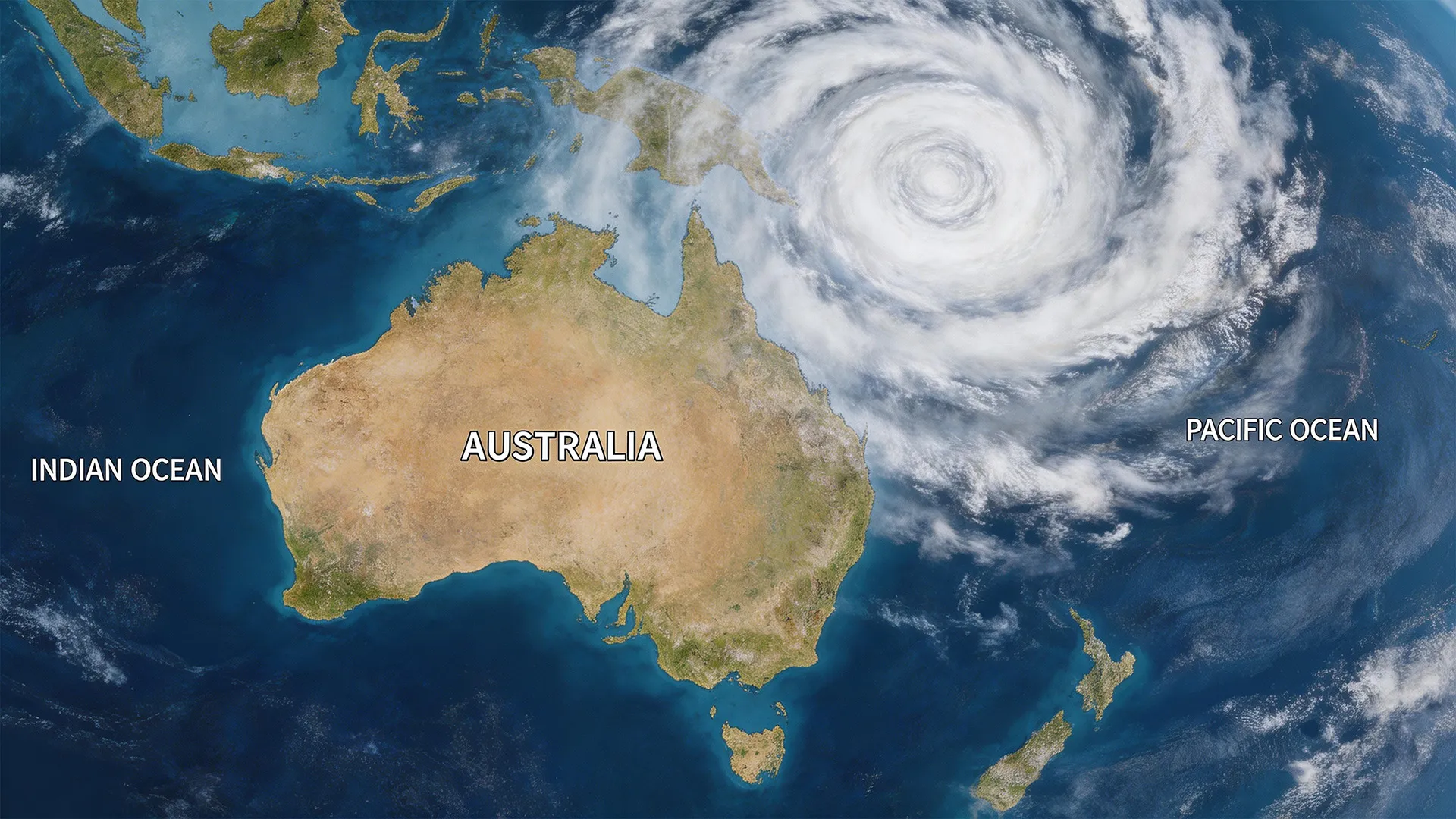
Outage Notifications and Maps in Australia
Most energy providers in Australia give advance notice for planned outages and real-time updates for unplanned ones. Depending on your network operator and retailer, planned outage notifications may be sent by letter, SMS, email, or phone, usually with details about the timing and expected duration.
For unexpected outages, many energy providers offer outage maps or fault-status pages that show affected areas and estimated restoration times. Checking your local distributor’s website or customer service line is usually the best way to stay informed during an interruption.
Safety Tips During a Power Outage
Safety is the top priority. Following a few simple precautions can help reduce risks and keep your household secure.
When an outage begins, focus first on reducing safety risks around your home:
- Use flashlights or battery-powered lights instead of candles to lower fire risk.
- Stay well away from fallen powerlines, trees touching lines, or anything those lines may be in contact with, and always assume they are live.
- Unplug sensitive electronics such as TVs, computers, and routers to help prevent damage from power surges when electricity returns.
Home Safety
Once immediate hazards are under control, take steps to keep your household safe and comfortable:
- Keep fridge and freezer doors closed to preserve food for as long as possible.
- Use backup lighting such as torches or portable lamps.
- Check on vulnerable household members, including children, the elderly, or anyone relying on powered medical equipment.
Stay Informed and Aware
Staying informed can help you respond more effectively and avoid unnecessary risks:
- Follow updates from your energy provider or retailer through official websites, outage maps, SMS alerts, or customer service channels.
- Monitor restoration updates regularly, as timelines may change depending on the cause and scale of the outage.
- Avoid assuming power will return quickly and prepare for a longer interruption.
How to Prepare for Future Power Outages
Taking proactive steps ensures your household remains functional and resilient, even during extended interruptions.
Build an Emergency Kit
Having essential supplies ready can help you stay safe and self-sufficient during an unexpected outage:
- Keep flashlights and spare batteries on hand.
- Prepare portable power banks for phones and small devices.
- Store first-aid supplies for basic emergencies.
- Keep bottled water and other practical essentials ready for several hours without power.
Invest in Reliable Long-Term Energy Management & Battery Storage System
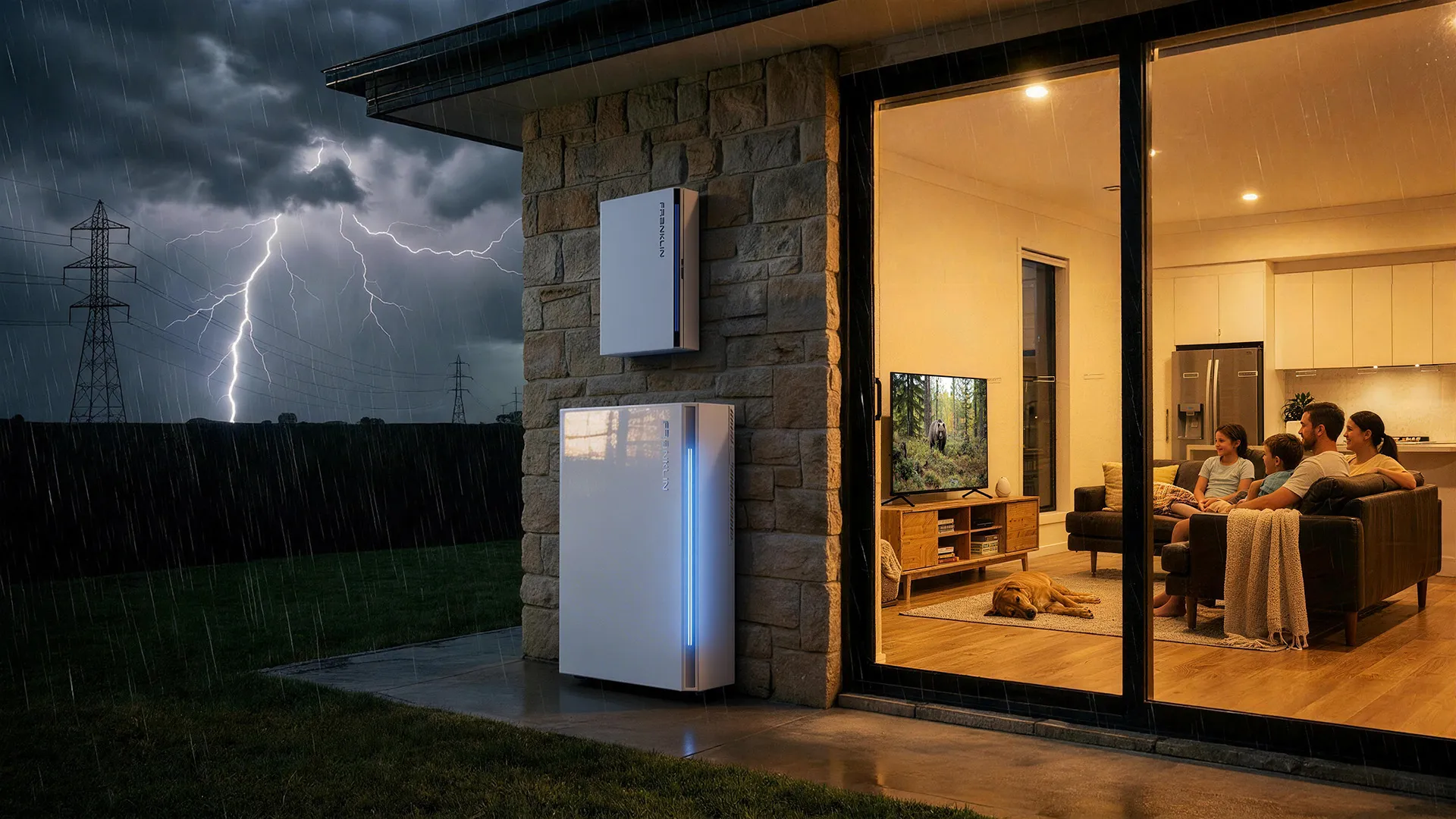
A more advanced way to prepare is by adopting a home energy solution that provides backup power and greater control over energy use. Take the FranklinWH System with aPower battery storage as an example, the system can:
- Take over with lightning-fast speed when an outage occurs, providing an uninterrupted energy experience.
- Offer whole-home backup with a scalable 15 kWh home battery.
- Power a wide range of devices (e.g., a 5-ton A/C) with data-center-grade ultra-clean and stable power quality.
- Prioritise essential loads with the Smart Circuit feature to extend battery backup hours.
- Restart automatically when solar production returns after the battery is completely drained if the grid is still down with our Black Start capability.
- Withstand harsh environments and weather with an IP67 and C-5 salt resistance battery rating; including operating temperatures from -20° C to 50° C.
- Integrate with your existing generator or V2L setup to enhance backup resiliency.
Conclusion
Power outages are a normal part of how the electricity network operates, and in many cases, they’re necessary to maintain grid safety and reliability. The good news is that their impact can be minimised. With the right preparation, from basic emergency supplies to intelligent home energy solutions, you can stay safe and reduce disruption when outages occur.
For long-term resiliency, solutions such as the FranklinWH System can make a big difference. They don’t just keep your home continuously powered during outages. They give you greater control over your energy and offer long-term peace of mind.
